BANGKOK (Bernama): Thailand’s Songkran celebrations are drawing millions of locals and tourists alike, defying soaring fuel prices and rising travel costs.
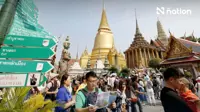
Major cities such as Bangkok, Chiang Mai and Phuket are hosting large-scale water-splashing events and cultural activities, reinforcing Songkran’s status as a key tourism driver even as higher living and transportation costs weigh on travellers.
Suweewiraya Wannasing, 38, who has been working in Bangkok for the past 15 years, has opted to remain in the capital city this year for the celebration to avoid the expense and hassle of travelling back to her hometown in Surin province.
"After prayers, I will call my parents to pay my respects and seek their blessings for my future,” she told Bernama when met on Monday.
She said she would join friends later for water-splashing festivities and concerts, reflecting how many residents are balancing tradition with celebration despite rising costs.
Songkran, observed annually from April 13 to 15, is marked by family reunions, paying respect to elders and ancestors, and the ceremonial cleansing of Buddha images.
Recognised by UNESCO as an Intangible Cultural Heritage of Humanity, the festival is also a highlight of Thailand’s tourism calendar, attracting visitors from around the world to experience its vibrant celebrations and rich cultural traditions.
However, this year’s festivities come against the backdrop of a global energy crisis linked to geopolitical tensions, which has driven up fuel prices and increased transportation costs.
The Thai government has urged the public to adopt energy-saving measures and has introduced steps such as maintaining public transport fares and ensuring adequate fuel supply to ease the burden on travellers during the festive period.
Meanwhile, Tourism Authority of Thailand (TAT) Governor Thapanee Kiatphaibool said the Songkran festival brings together the best of Thai culture and contemporary celebration, reinforcing its standing as a truly global event.
"With UNESCO’s recognition of Songkran in Thailand as an Intangible Cultural Heritage of Humanity, we are proud to present an experience that is deeply rooted in tradition while embracing modernity, further establishing Thailand as a world-class festival destination,” she said.
Songkran, widely regarded as one of Thailand’s most important and lucrative festivals, continues to play a vital role in driving economic activity, with businesses and local communities benefiting from the influx of visitors.
As water splashes fill the streets and traditional rituals continue, the enduring appeal of Songkran highlights Thailand’s ability to celebrate its cultural heritage even amid global economic challenges.
-- BERNAMA