
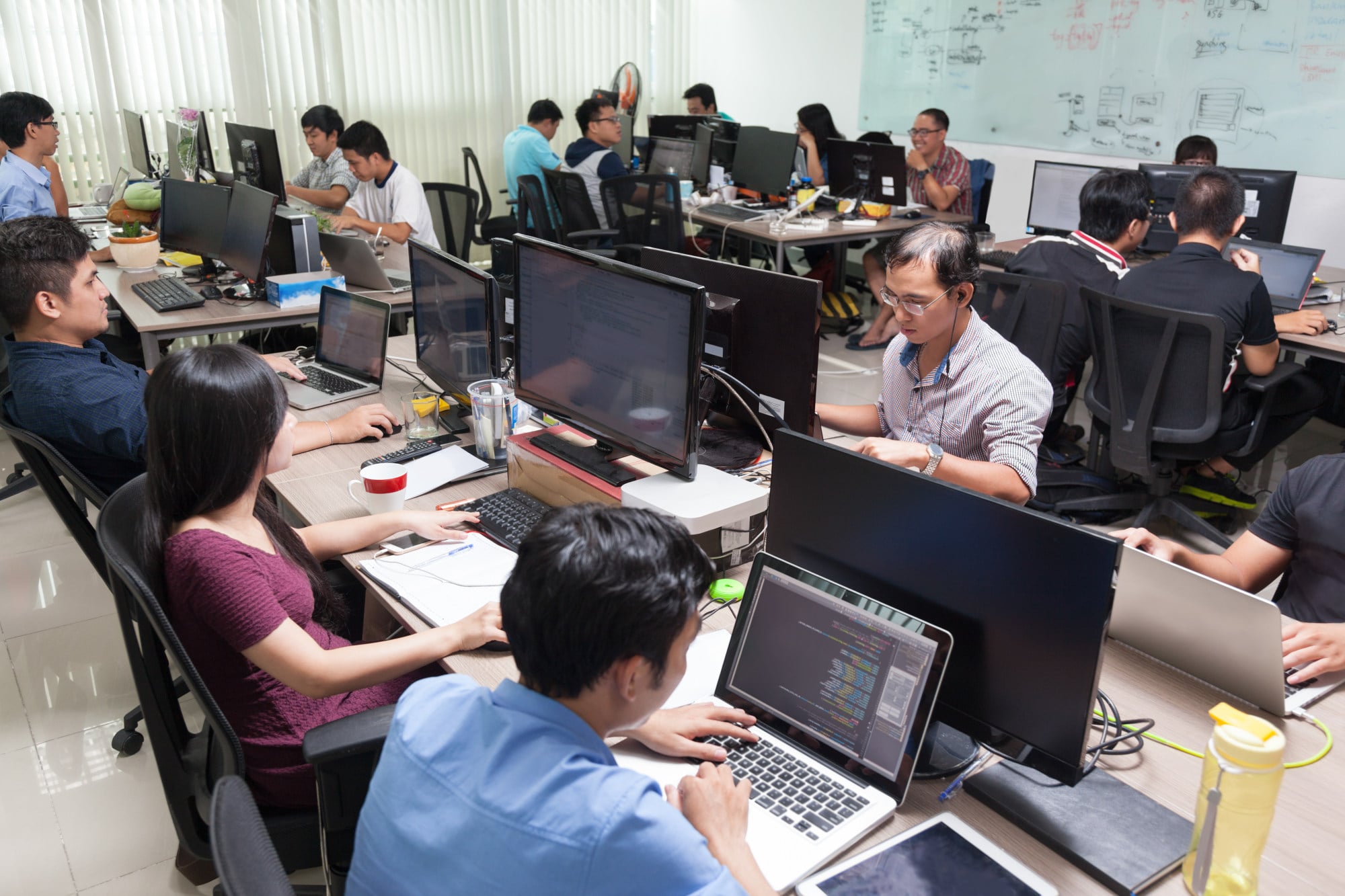
In modern China, the so-called 996 work culture, working six days a week from 9am to 9pm, has become a major point of contention.
While some advocate for the gruelling schedule as a fast track to success, others decry it as “modern slavery”, pointing to cases where excessive work hours have led to severe health problems or even death.
The debate was first ignited in 2019, when an anonymous protest on GitHub, a global developer platform owned by Microsoft, drew attention to how the 996 culture threatens the well-being of technology workers.
The schedule breaches China’s labour law, which limits work to eight hours a day and 44 hours a week.
However, the phenomenon of overwork is far from new.
Long before tech giants emerged, Chinese workers had endured similar pressures for centuries.
During the Warring States period (475-221 BC), official Dong He worked tirelessly day and night while negotiating with a rival kingdom, one of the earliest records of overtime.
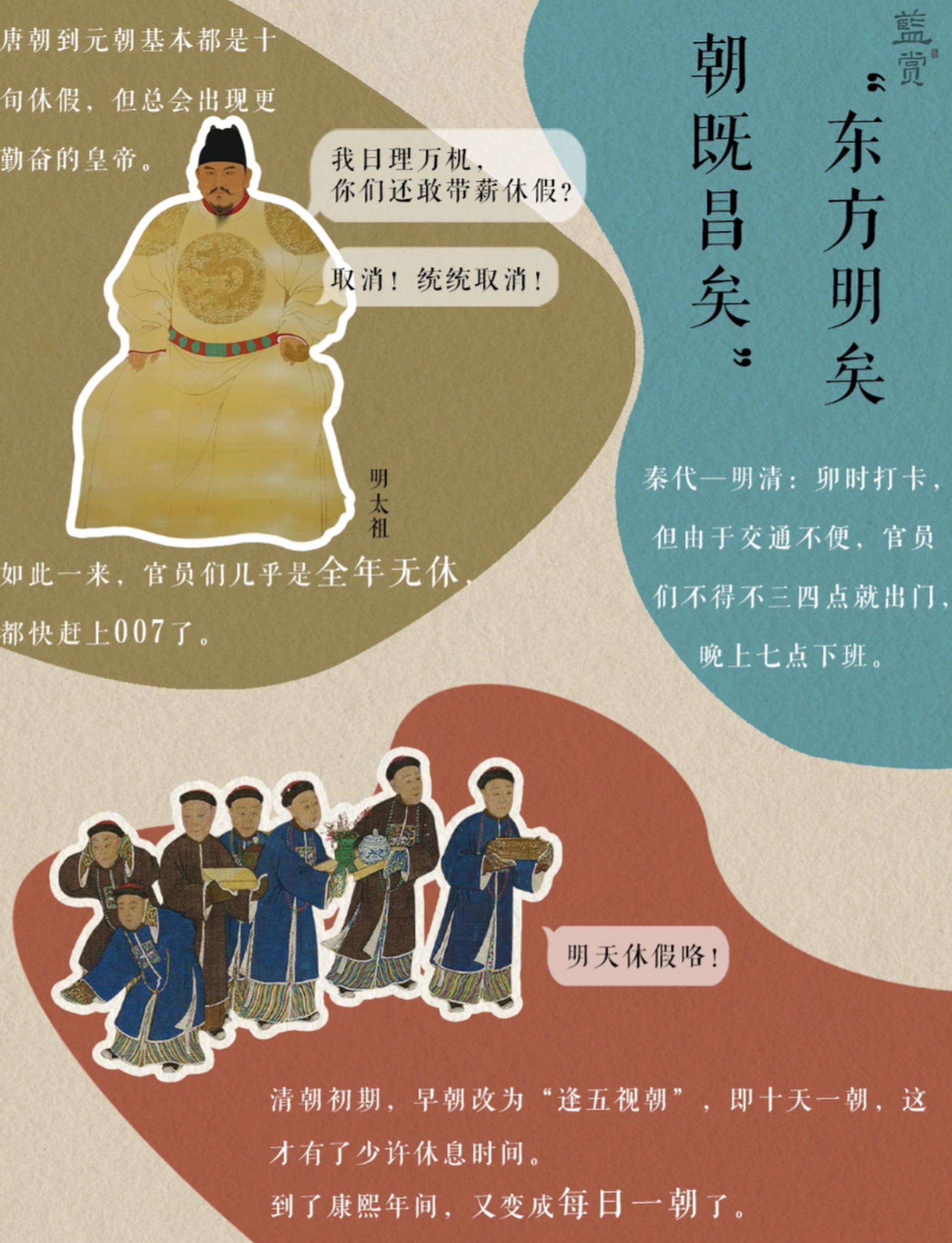
In the Qin dynasty (221-206 BC), officials had to leave home by 4 or 5am due to poor transport and often worked until 7pm.
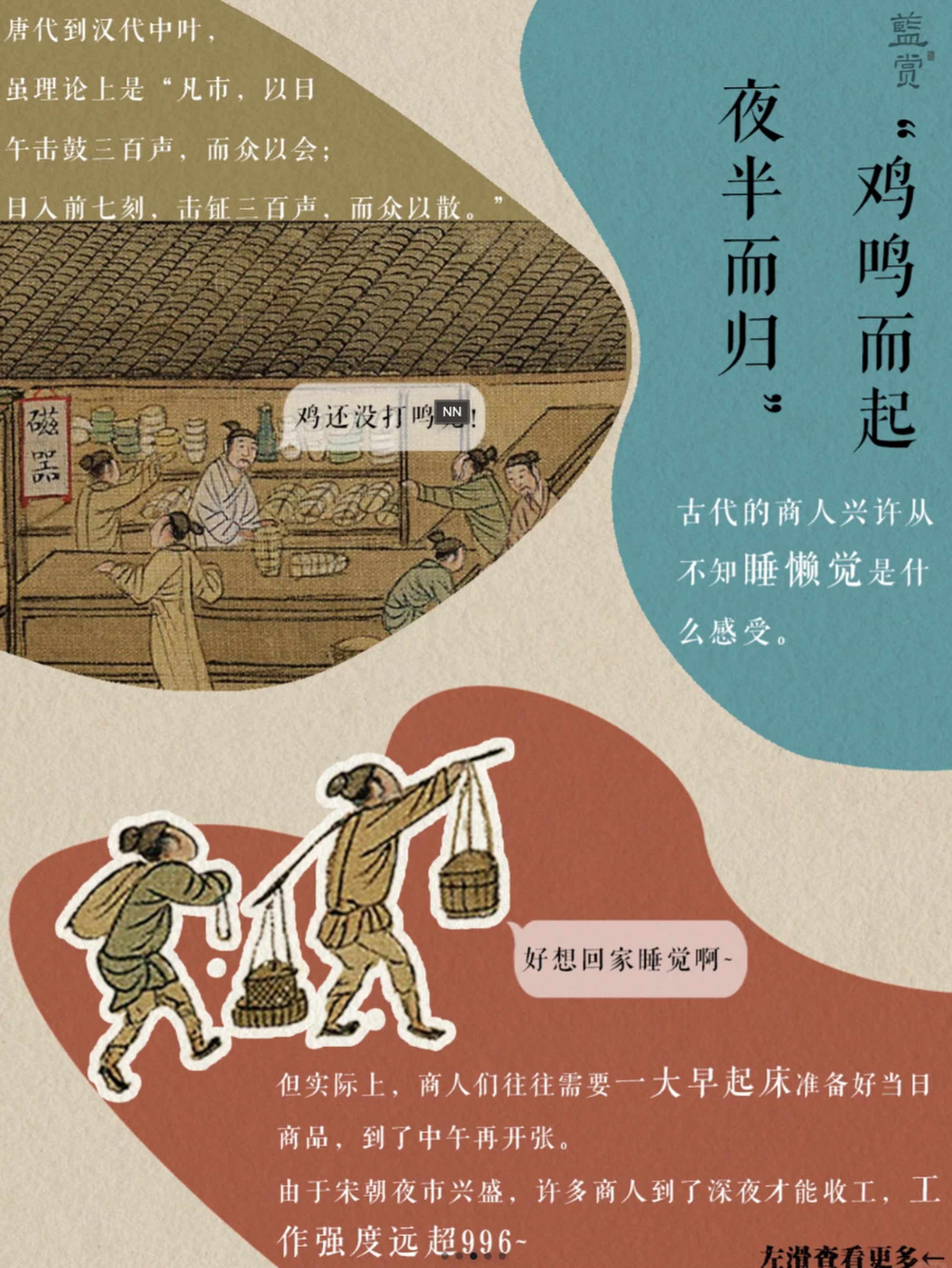
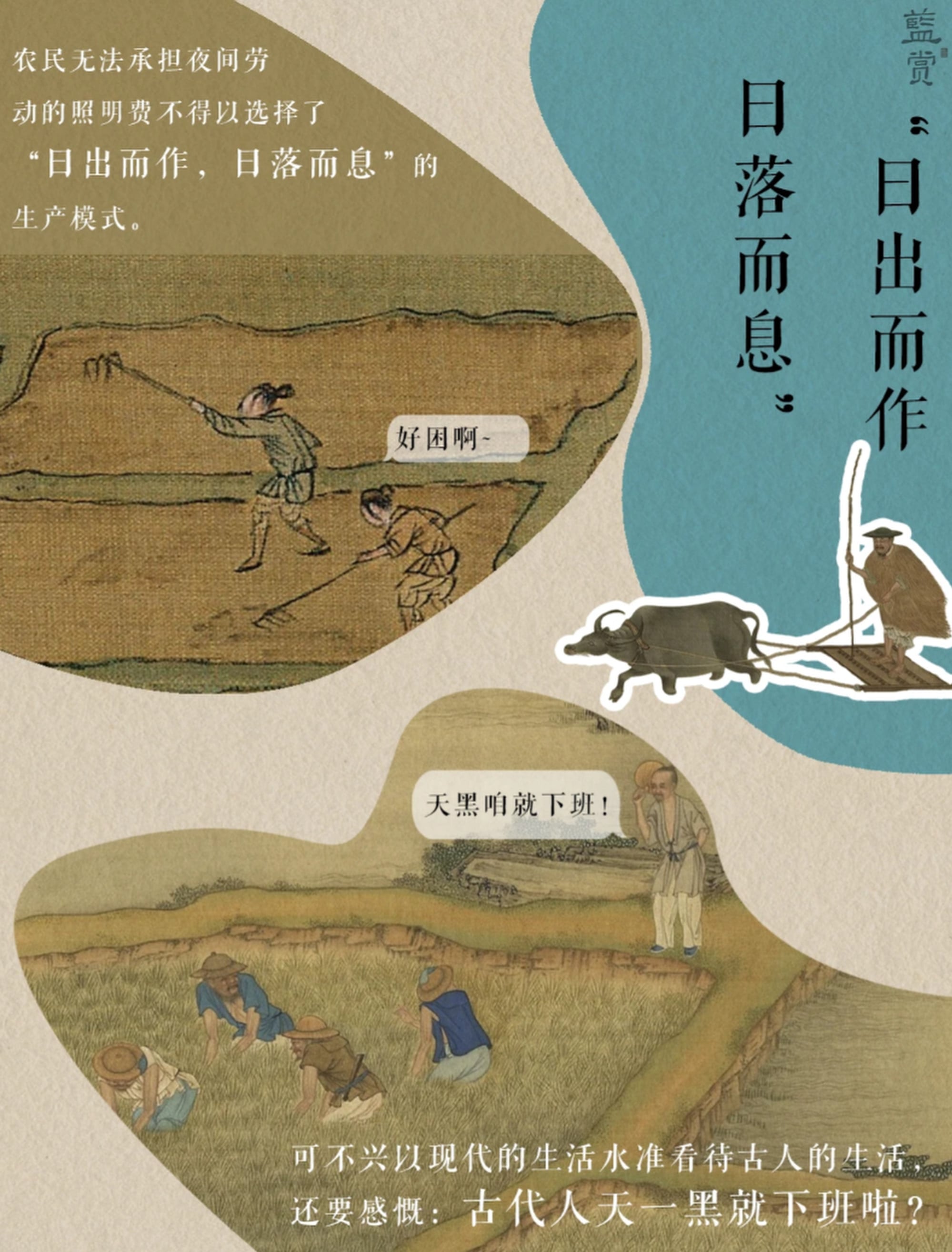
Farmers laboured from sunrise to sunset, while merchants slept fewer than four hours to run their businesses.
Attending the morning meeting was essential in ancient times, which strictly enforced punctuality and early hours.
In the Tang dynasty (618-907), officials received 20 lashes in punishment for a single day of absence; 35 days of absence resulted in a year-long sentence. Latecomers were also punished by being struck.
A Ming dynasty (1368-1644) official, terrified of the consequences for tardiness, rushed through the palace in a panic, only to slip and drown in a river.
In addition to regular work and attendance pressures, ancient civil servants also faced the burden of shift duties, sacrificing personal time and family life.
The Tang dynasty introduced a night-duty system, requiring some officials to work three to four shifts within 10 days to handle both routine documents and urgent matters.
Ancient officials did not receive overtime pay, but their diligence could earn them the emperor’s favour.
During the Eastern Han period (25-220), an official named Huang Xiang frequently covered for his colleagues.
When the emperor found him working off duty, he was impressed by his dedication and promoted him.
Even emperors were no strangers to hard work.
Ming dynasty founder Zhu Yuanzhang reviewed 1,660 memorials in just eight days and required his ministers to process over 200 documents daily.
Qing dynasty (1644-1912), Emperor Yongzheng, a renowned workaholic, slept only four hours a night and wrote over 10 million words in
He granted himself only three holidays a year: the Spring Festival, Winter Solstice and his birthday.
Emperor Yongzheng was also passionate about reading and working at night, avoiding entertainment like imperial hunts or summer retreats.
Reports suggest he owned 35 pairs of glasses, kept throughout the palace for easy access.
Despite the heavy workload, rest was still valued in ancient society.
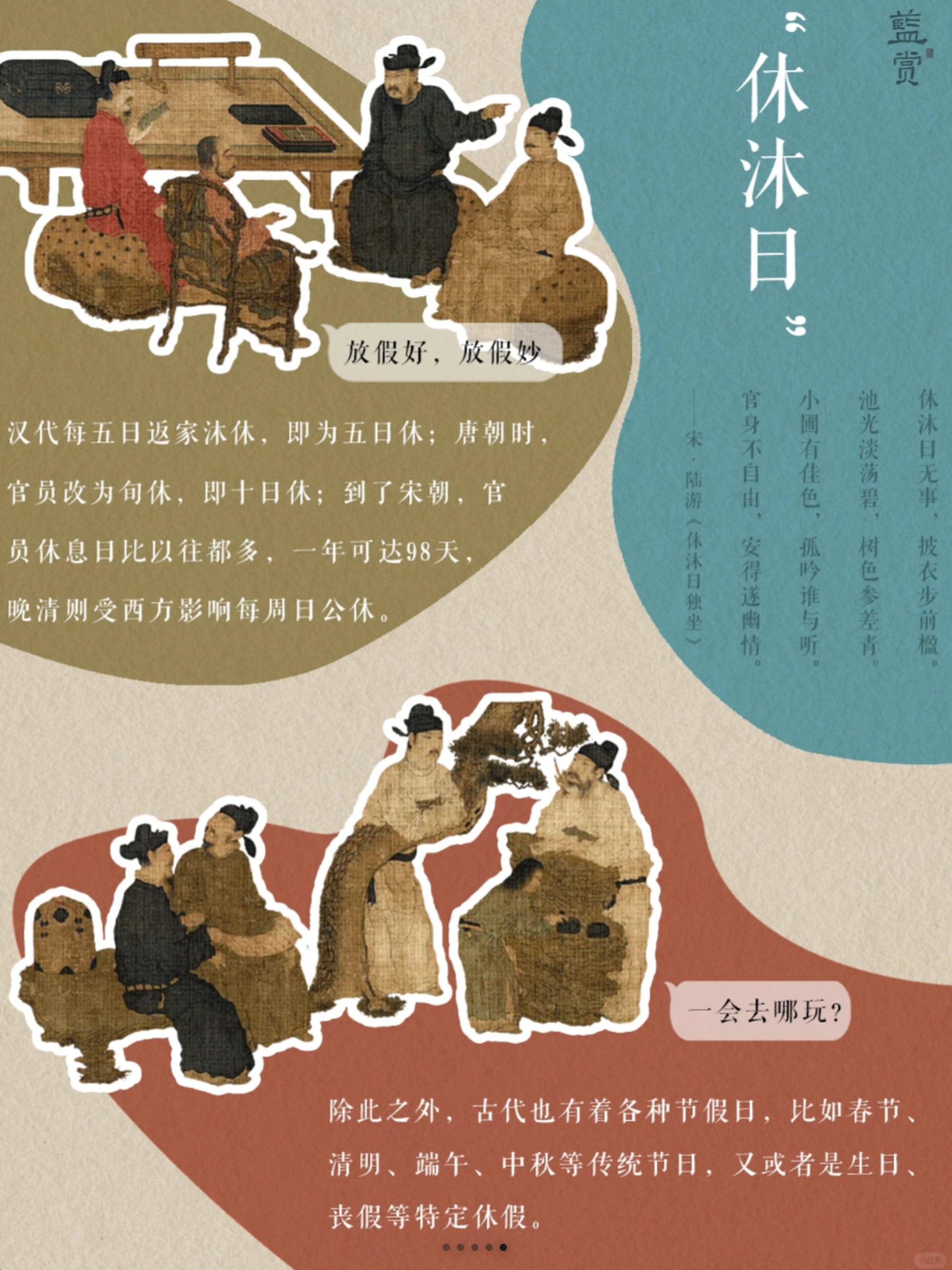
The Han dynasty (206 BC-220) introduced a “rest and bath day,” giving officials one day off every five days.
The Tang and Song dynasties, marked by economic prosperity, offered relatively more respite for labourers.
Tang officials rested one day every 10 days, with additional breaks for festivals and visiting elderly parents, with marriage leave lasting up to nine months.
In the Song dynasty (960-1279), officials could enjoy up to 98 rest days annually.
From renowned figures to ordinary citizens, complaints about endless labour are woven throughout Chinese history.
Around 1,800 years ago, ancient workers carved grievances such as “I am too tired” and “no overtime pay” into stone bricks, which are now displayed in a museum in Anhui province, central China, and still resonate with visitors today.
The Tang poet Bai Juyi spent most of his time working long hours.
He captured his early departures and late returns in poetry, expressing his disdain for official duties and asking: “When will I be able to leave office and regain my freedom?”
Even after his hair turned white, Ming dynasty painter Wen Zhengming still had to do night duties.
In his poetry, he described himself as “weary in spirit, like someone ill” while working.
The struggle to balance work and life has been a persistent theme through the ages.
Confucian classics lauded hard work as a moral virtue, warning that laziness would lead to failure.
Today, the reverence for diligence persists, with make-up work days compensating for long national holidays, highlighting the ongoing tension between work and rest in China’s modern labour landscape. -- SOUTH CHINA MORNING POST