




A Hong Kong social enterprise known for serving underprivileged residents has seen its comeback derailed by a technical error from housing authorities in the tendering process for shop space.
The owner of Agape Garden, a restaurant that was forced to close in July last year due to an abrupt government decision to reclaim the space, submitted a tender for a shop in Shek Kip Mei Estate last November.
However, the Housing Authority cancelled the tender exercise a month later after identifying an error in power supply specifications provided to bidders, and despite collecting a HK$25,000 (US$3,200) deposit from them.
The manager of Agape Garden, surnamed Lam, said the tender had not reopened since, a decision that had stymied the business.
“We decided to start a retail business instead because we wanted to stay in the neighbourhood, to continue hiring and serving the underprivileged,” he said.
“If we had secured the tender for that round, we could have opened the shop in January, but now our hopes have been dashed.”
Lam called on the government to resume the tender for the commercial unit as soon as possible.
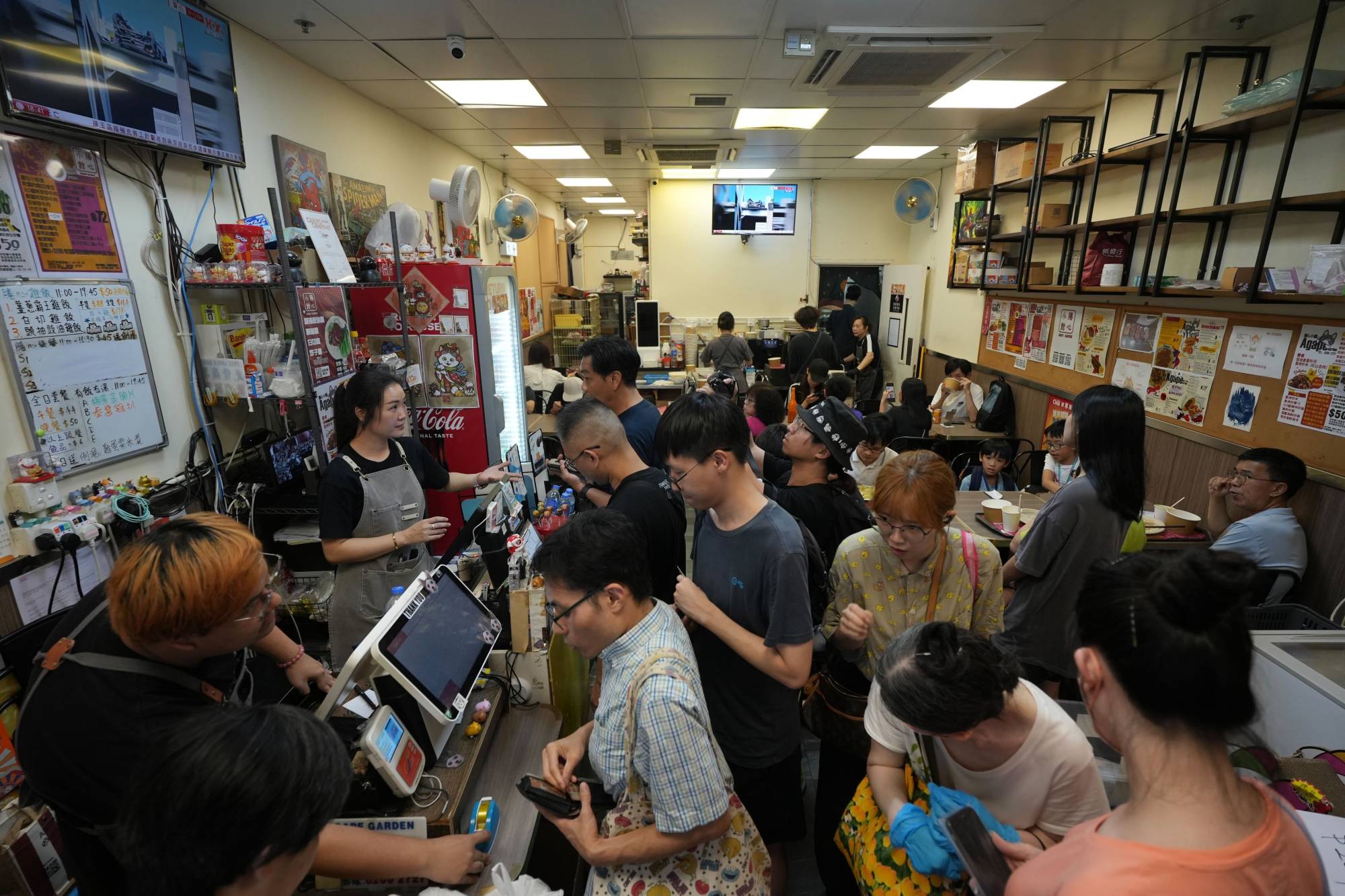
As a social enterprise restaurant, Agape Garden provided jobs for the mentally disabled, single mothers and the elderly, while offering hot meals to about 100 seniors in need every day.
Every weekend, it worked with volunteers from all walks of life to distribute food donated by corporate partners. It also fed and rescued stray cats and put them up for adoption.
The eatery was invited to sign a new lease with the Housing Authority in May last year, following discussions on tenancy renewal, but the offer was abruptly suspended and later withdrawn.
The authority ordered the business to vacate the premises by July 14, saying it had other uses planned for the space.
After the closure of the eatery, the business continued to sell dolls and festive food made by single mothers and survivors of domestic violence at trade fairs and online. It also supported needy elderly people by providing free food and hosting a winter solstice banquet for them.
Lam said it was important for the business to have a bricks-and-mortar location in the community to ensure that underprivileged residents could access its services more easily. He planned to sell snacks and handicrafts made by single mothers in the store.
“We also eyed other vacant commercial premises in the neighbourhood, but the landlord did not appear to have invited tenders for those spaces,” he said.
A check by the South China Morning Post earlier this week found the old premises on the ground floor of Mei Kwai House still empty, seven months after the eatery was closed. There were at least four vacant shop spaces in the same block.
About a five-minute walk away at Mei Hei House and Mei Pak House, there were at least seven vacant commercial premises with “for rent” posters on the gates.
Notably, seven units were listed as light public housing management offices, but none were operating.
The Housing Authority indicated that only two shop spaces, situated in blocks 19 and 20 respectively, including one inside a wet market, were available for tender.
The space that Lam intended to rent, located at block 20, was also no longer listed on the authority’s webpage for tenders.
The authority said it had apologised to all bidders for the specifications error in the tender document and had returned their deposits.
However, it did not directly respond to the SCMP’s question on when the tender would reopen.
“The recent intake of more than 900 units in Pak Tin Estate Phase 10 has brought demographic changes to the district, and the opening of Pak Tin Market in late December has enriched the retail options,” it said.
“The authorities are taking this opportunity to review the trade mix and facility specifications of the commercial units in Shek Kip Mei Estate. Upon completion of this review, the Housing Authority will rearrange the tender exercise for the shops as soon as possible.”
It added that the premises previously occupied by Agape Garden were currently under renovation and would open as a light public housing information centre by the end of March.
Pak Tin Estate is a public housing estate partially built on a slope. The social enterprise did not consider the retail spaces there due to the inconvenient location. -- SOUTH CHINA MORNING POST


