



A 38-year-old man working in logistics did not think much of the first few painful lumps that appeared on his body.
At first, they felt like ordinary boils: uncomfortable, but manageable. Over time, they spread to his armpits, groin, and other areas, eventually discharging pus daily and forcing him to line his clothes with tissue just to get through the day.
Obese at the time, he sought medical help from a dermatologist, mainly when the pain became unbearable. He relied on constant painkillers to function at work and cycled through repeated courses of antibiotics to control flare-ups. Whenever he managed to lose weight, the condition eased. When the weight returned, so did the pain.
Only later did he learn that his condition was not a hygiene issue nor a routine skin infection. It was hidradenitis suppurativa (HS), a chronic auto-inflammatory skin disease that is often mistaken for acne or boils, causing many patients to live with symptoms for years before receiving the right diagnosis and treatment.
Consent has been obtained from the patient by Dr Felix Yap Boon Bin for the use of images for educational purposes in this publication. Reproduction, distribution, or use of these images in any other form without prior written consent is strictly prohibited.
When a “boil” is not just a boil
While the exact cause of HS is still being studied, it is understood to involve immune system dysfunction, genetic susceptibility, and metabolic factors.
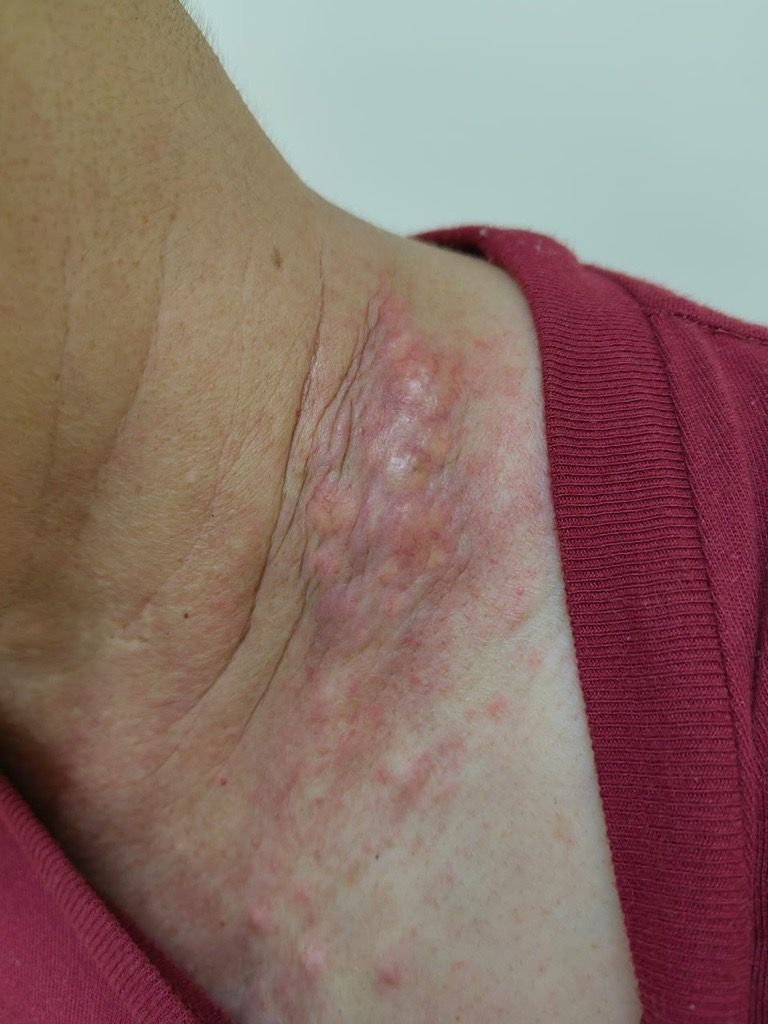
HS is sometimes referred to as “acne inversa” because it affects areas opposite to where regular acne usually appears, such as the armpits, groin, and skin folds.
According to Dr Felix Yap Boon Bin, consultant dermatologist at Sunway Medical Centre, HS is an inflammation of hair follicles and nearby sweat gland structures, triggering repeated cycles of swelling, infection, and pain.
“Early on, it can look very ordinary,” Dr Felix said. “It may start like a pimple. As it progresses, one of the key signs is tunnelling.”
This tunnelling, medically known as sinus tract formation, occurs when channels develop under the skin and connect inflamed areas. Pressing on one lump may cause discharge from another opening. It is a feature that helps distinguish HS from common acne or isolated boils.
A long diagnostic delay with serious consequences
A recent local screening study found that approximately 1.4% of adults may be affected, suggesting the condition is more prevalent than commonly recognised.
What makes HS particularly damaging, however, is the delay in diagnosis. Research consistently shows that patients wait approximately six to ten years before receiving an accurate diagnosis. By the time HS is identified, many patients have already progressed to an advanced stage that is harder to treat.
Dr Felix stressed that HS is “definitely not uncommon.”
The bigger problem is widespread misconception. Many patients attribute recurring lesions to the use of deodorant, shaving, friction from exercise, sweating, or poor personal hygiene. “Sweating itself is not the cause,” he said, adding that inflammation, obesity, smoking, and other lifestyle factors play a much larger role in driving the disease.
As a result, HS is frequently treated as folliculitis or recurrent boils, trapping patients in cycles of short-term antibiotics without addressing the underlying disease. However, prolonged use of antibiotics is also a concern, as it can promote antibiotic resistance.
The burden goes far beyond the skin
HS does not only affect the skin. Studies show that the condition has a wide-ranging impact on quality of life, affecting mental health, work productivity, finances, and even family planning decisions.
Dr Felix described the daily challenges many patients face: persistent pus discharges that stain clothes and underwear, unpleasant odour, pain with movement, and constant stress over symptoms in sensitive body areas.
“It affects relationships,” Dr Felix said. “Social activities become difficult. Even intimacy can be difficult because of the pain and discharge.”
Beyond these visible effects, HS has also been linked to systemic complications, including nerve involvement, systemic inflammation, metabolic issues and a higher risk of cardiovascular disease, particularly in long-standing or severe cases.
Treatment has advanced, but timing matters
HS is not usually curable, but it is treatable, especially when recognised early. Treatment focuses on reducing inflammation and pain, managing discharge, and preventing long-term complications.
Dr Felix explained that management may include lifestyle changes such as weight control and dietary adjustments, medications like antibiotics or anti-inflammatory drugs, and newer biologic therapies for moderate to severe disease. Excess body weight is one of the strongest and most consistent factors linked to disease severity.
“Obesity makes HS worse,” he said. “When patients lose weight, their symptoms often improve significantly.” In selected cases, surgery may be required to remove severely affected tissue.
Despite advances in care, more than half of HS patients report dissatisfaction with their treatment, often because diagnosis is delayed or access to effective therapies comes too late.
Research shows that earlier diagnosis and timely treatment are associated with better symptom control and improved quality of life.
Dr Felix’s advice is clear: recurrent painful lumps in the armpits or groin are not normal.
If the same areas keep flaring, draining, or scarring, or if multiple openings seem connected under the skin, he urges people to seek medical advice early, ideally from a dermatologist.
“Early consultation is crucial,” he said. “Prompt diagnosis and the right treatment can prevent long-term complications and help patients regain their quality of life.”
