




Hong Kong’s “Queen of Votes” Christine Fong Kwok-shan ran one of the most cost-effective campaigns in the Legislative Council election, spending an average of just HK$20 per vote, the South China Morning Post has found.
An SCMP review of the election spending declarations by 32 candidates who contested directly elected seats also found that some candidates spent up to 10 times more than others in terms of average cost per vote, with Jeffrey Chan Chun-hung from local think tank the PoD Research Institute forking out more than HK$200 per vote.
The declarations were made public on Wednesday.
Fong, who received 58,828 votes in the New Territories South East constituency, the highest among all candidates, spent about HK$1.2 million (US$152,000) on her campaign.
The veteran Sai Kung district councillor spent most of her budget on advertising, including leaflets and banners, which came to HK$933,000. She also spent HK$105,000 on office rent and transport, and paid roughly HK$65,000 to her election agents and assistants.
Her victory, after five previous unsuccessful attempts, marked a major political comeback. Fong earlier described it as “the fruit of accumulated efforts rather than a miracle”.
A total of 51 candidates competed for 20 geographical constituency seats in the election, which was held on December 7.
Under election law, candidates must declare their election spending and donations received within two months after the poll ends. They are subject to spending caps which vary across the 10 geographical constituencies and are set at about HK$3 million each.
Fong’s opponents, Chris Ip Ngo-tung of the Democratic Alliance for the Betterment and Progress of Hong Kong (DAB), and district councillor Cheung Mei-hung, spent about HK$1.7 million and HK$2.4 million respectively. The pair received 26,250 votes and 18,681 votes respectively, with Cheung losing the race.
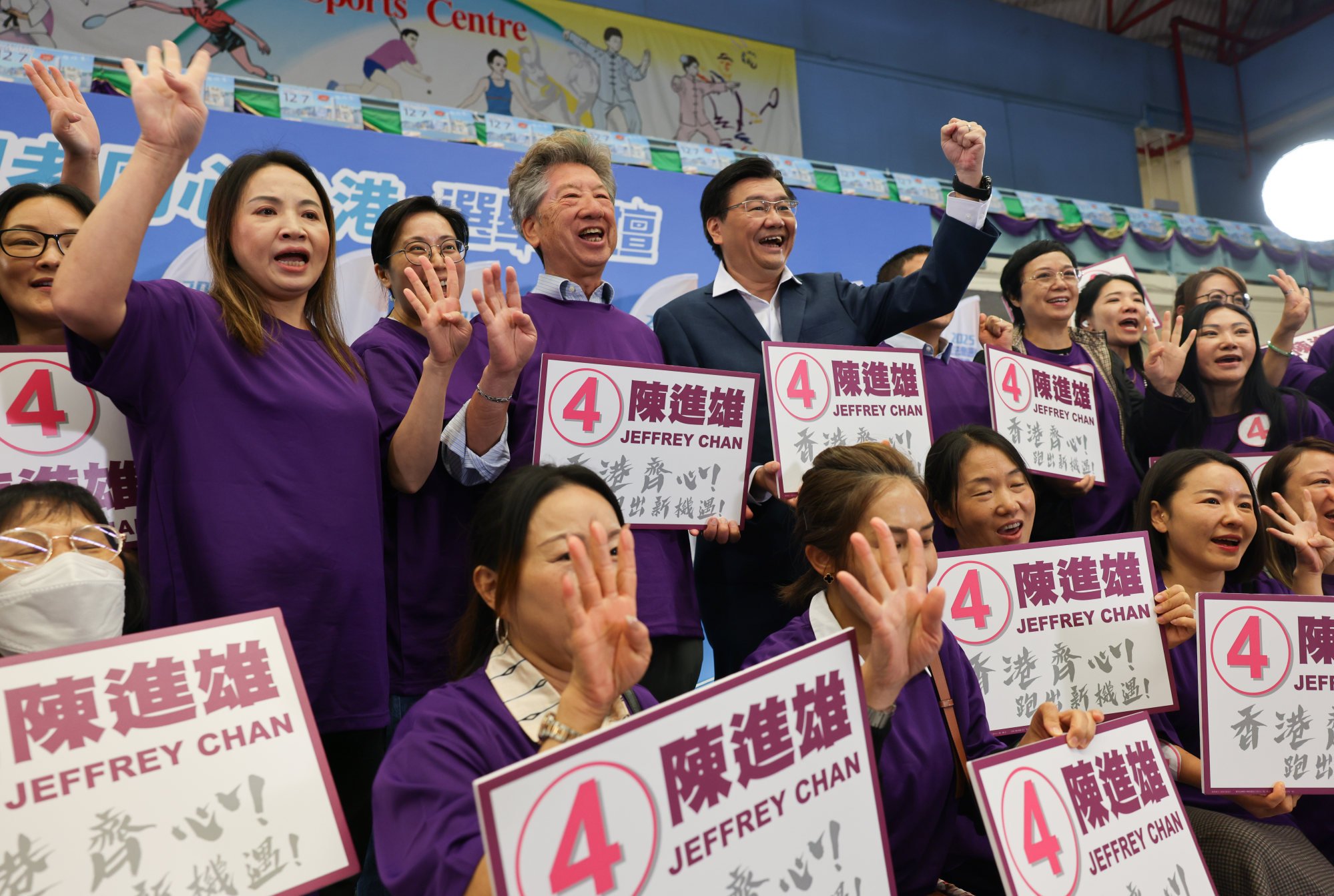
Meanwhile, Chan declared about HK$800,000 on his campaign, making him one of the lowest-spending candidates.
But he received only 3,855 votes – the fewest among all candidates contesting directly elected seats – and was defeated in the Kowloon East constituency.
Chan’s expenses included HK$462,000 on advertisements and HK$280,000 on assistants. He paid HK$100,000 and HK$95,000 to his election agent and assistant, respectively, for the one-month campaign.
With just 3 per cent of the total votes, Chan was not entitled to any government reimbursement of campaign expenses.
Under the law, elected candidates and those who received at least 5 per cent of the total votes are eligible to receive financial help from the government.
Allan Wong Wing-ho, another member of the PoD Research Institute who contested but lost in New Territories North East, declared payments of HK$100,000 to his election agent and HK$20,000 to his assistant.
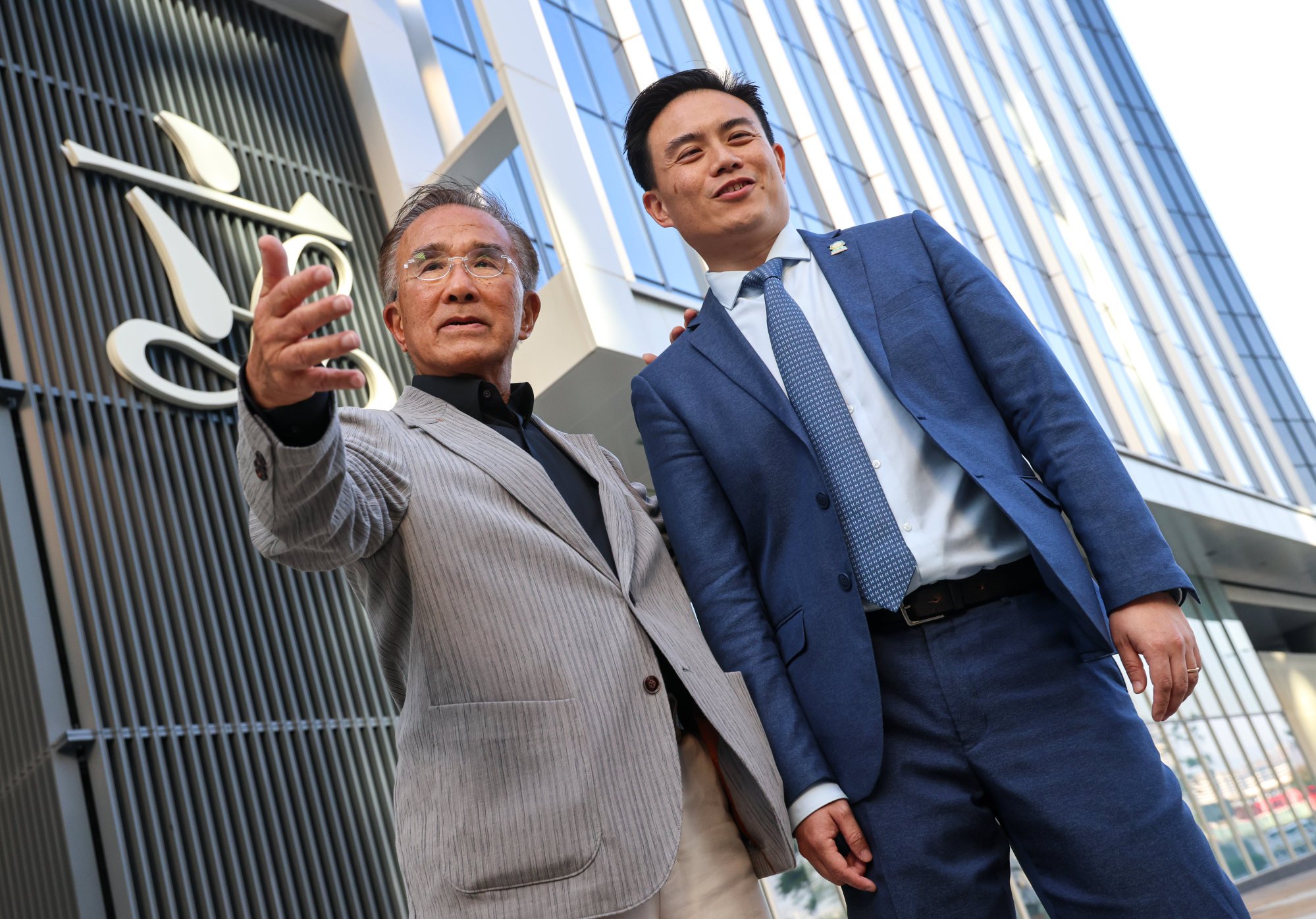
Mark Chong Ho-fung of the centrist Roundtable party was among the top spenders, reporting more than HK$2.7 million in expenses to secure a seat in the New Territories North West, where he received 34,756 votes.
Chong attributed his higher spending to the sprawling constituency and the challenge of facing rivals backed by resourceful political parties.
His expenses included HK$1.6 million for advertisements, HK$419,000 on office and transport, and HK$209,000 for miscellaneous items such as administration fees.
Chong, who succeeded veteran lawmaker Michael Tien Puk-sun, also spent HK$375,000 on canvassers at a relatively generous hourly rate of HK$90.
He explained that the subsidies were higher because some supporters were not local residents and had to travel to rural areas.
“As Michael Tien’s fans are spread across Hong Kong, many of our loyal supporters came from other districts to help us. That’s why we offered relatively more subsidies for them,” Chong said.
Some candidates declared miscellaneous items in their returns.
DAB district councillor Lee Ching-har, who lost the race, declared a HK$180 medical fee after collapsing on stage during an official election forum in November. She was taken to the hospital after fainting.
Her party colleague, Jody Kwok Fu-yung, spent HK$70,000 on photoshoots, hairstyles and make-up, and ultimately won the poll.
Separately, declarations revealed that Olympic gold medallist Vivian Kong Man-wai spent more than HK$116,000 in her bid for the tourism functional constituency.
Kong spent HK$20,000 for “media coordination” at her brief campaign launch, the only time she met the press, as reporters hustled to question her.
Her other expenses included HK$43,000 on advertising, HK$26,000 on transport, including hiring a driver, HK$20,000 in subsidies for her assistant, and HK$5,000 on official rent and administrative costs.
Kong received 131 votes, defeating district councillor and travel agency operator Ma Yat-chiu, meaning each vote cost her more than HK$880.
In contrast, Ma spent only about HK$54,000, less than half of Kong’s total expenses. -- SOUTH CHINA MORNING POST


