SOUTH-EAST ASIA (Bernama): International climate scientists have predicted that El Nino could occur in the second half of this year, as weather patterns suggest the phenomenon could raise global temperatures.
The changing weather, associated with climate change, is gaining attention among meteorologists as the shift in climatic conditions can have serious implications for agrarian societies.
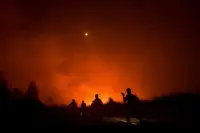
South-East Asia has experienced widespread forest fires, crop failures and transboundary haze risks during El Niño periods in the past.
Paul E. Roundy, a Professor of Atmospheric Science at the University at Albany, State University of New York, said that there is a possibility of an El Niño occurring this year.
"There does appear to be a higher than average chance of El Niño development this year, as the Pacific Ocean is certainly moving in that direction right now.
"El Niño development through at least early 2027 would favour drought formation in the Maritime Continent region from Indonesia east to New Guinea and south to Northern Australia, as well as in the Amazon of South America, wet conditions in parts of east Africa, and wet conditions in California,” Roundy told Bernama.
Experts at the European Centre for Medium-Range Weather Forecasts have also predicted that El Niño could occur from July this year to July 2027, according to reports.
In South-East Asia, nearly 28 per cent of the workforce, or 338 million people, are involved in the agriculture, forestry, and fishing industry, according to the ASEAN Statistical Brief 2024.
"El Niño typically reduces Southeast Asian monsoon rainfall. Farmers and other people dependent on normal rainfall there should begin making plans to plant crops that are more resilient to lower rainfall amounts, due to the risk of El Niño development,” said Roundy.
Indonesia, the region’s most populous nation with nearly 280 million people and an emerging economic powerhouse, faced the worst El Niño disasters in 2015 and 2019. Extreme drought, coupled with massive fires, adversely affected the country.
Almost three million hectares of peatland in Central Kalimantan and Sumatra’s east coast were destroyed in wildfires in 2015, according to media reports.
"We had the worst El Niño impacts in 2015 and 2019. This year, we have not heard any warning, but the government is highly prepared to tackle any droughts.
"We have been closely monitoring open fires and forest fires and training our people to overcome droughts. Our priority now is to overcome flooding and landslides due to heavy rain,” Indonesian Palm Oil Entrepreneurs Association Chairman Eddy Martono told Bernama.
Indonesia, which exported over 20 million metric tonnes of crude palm oil last year, could see production affected as El Niño typically slows the maturity of palm fruit. - Bernama