




US President Donald Trump signed a bill to end the record-breaking US government shutdown after the House of Representatives approved a bipartisan funding deal on Wednesday.
The signing at the White House in Washington capped a 43-day stoppage that has left hundreds of thousands of federal employees without pay and disrupted public services in the United States. However, just how quickly full government services and operations would resume was not immediately clear.
“This is no way to run a country,” the Republican president said in the Oval Office during a late-night ceremony that he used to criticise rival Democrats. “I hope we can all agree the government should never be shut down again.”
Flanked by Republican leaders, Trump falsely accused Democrats of costing the country US$1.5 trillion. While the full financial toll of the shutdown has yet to be determined, the Congressional Budget Office estimates that it has caused US$14 billion in lost growth.
“It’s a great day,” Trump added, as reporters were led out of the Oval Office immediately after the signing.
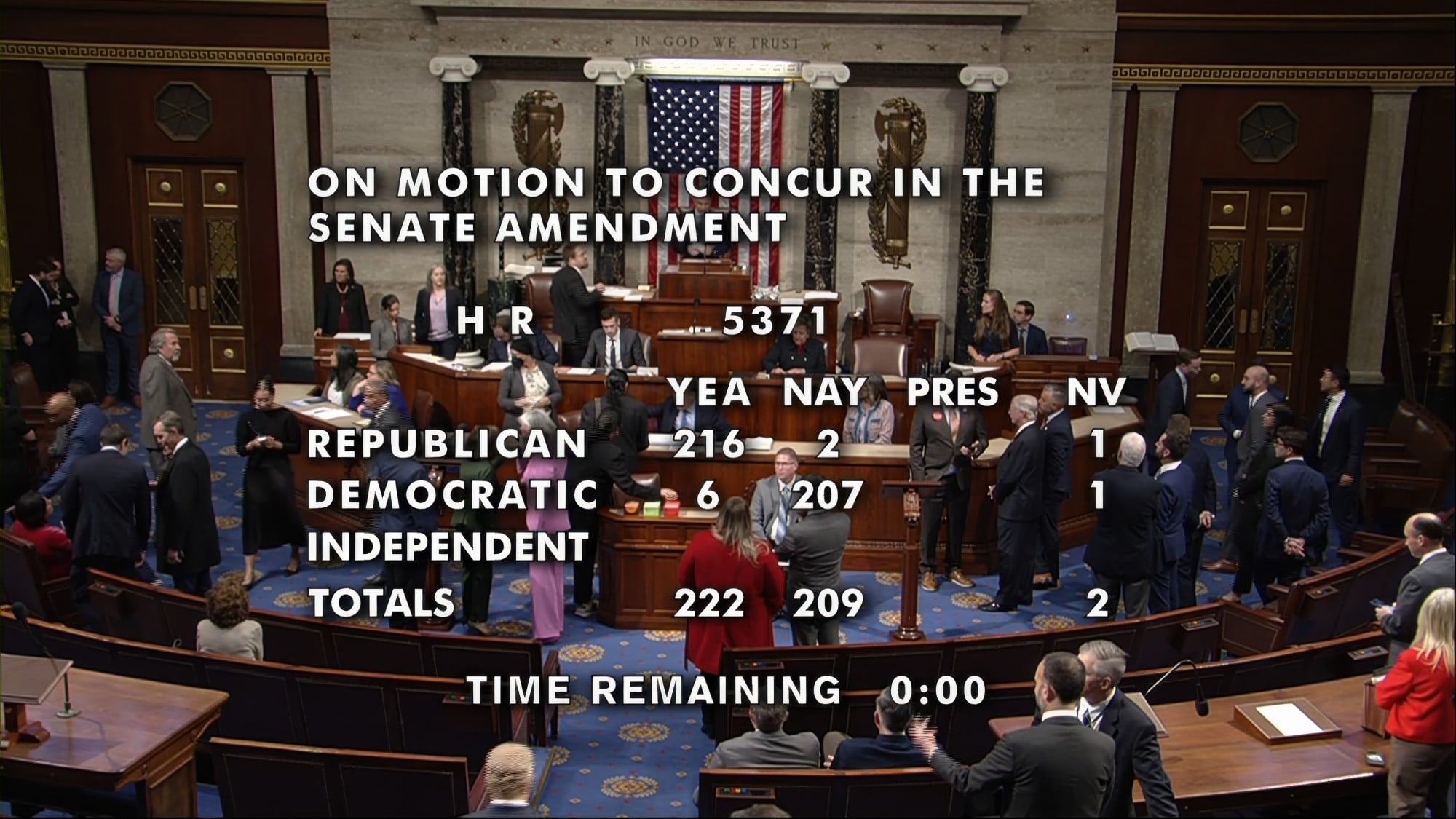
Earlier, in a vote of 222-209, the Republican-controlled lower chamber advanced a measure that would extend government funding until January 30, 2026, reverse firings made during the shutdown, and ensure furloughed workers receive back pay.
All but six Democrats voted against the bill on Wednesday, and only two Republicans did the same.
The bill does not include Democrats’ demands on healthcare – a core issue that led to the shutdown – but Republican Senate Majority Leader John Thune said on Sunday that he would allow a vote on a Democratic healthcare bill “no later than” the second week of December.
Thune has said throughout the shutdown that Republicans would only negotiate on the expiring Affordable Care Act (ACA) subsidies once the government reopens.
Still, the pressure was already on to avoid another shutdown in two months.
The bill had squeaked through the Senate on Monday with just enough votes to avoid a filibuster, which would have allowed Democratic senators to delay or block votes.
The shutdown reached its 43rd day on Wednesday, having earlier shattered the previous record of 35 days, the day after Democrats won key elections around the country.
Since it began on October 1, many federal employees have gone without pay; travellers have experienced flight delays; and low-income families have been denied nutrition assistance – all of which heightened pressure on Congress to reach a deal.
The 60-40 Senate vote on Monday saw seven Democrats and one independent senator voting with Republicans. Only one Republican, Rand Paul of Kentucky, voted against the bill.
After Monday’s vote, some progressives voiced frustration that centrist Democrats cut a deal without securing a commitment to extend healthcare subsidies set to expire at the end of the year. Other Democrats, meanwhile, said that the shutdown helped in exposing Republican positions on healthcare.
Ahead of Wednesday’s vote, several House Democrats made it clear that they would not support the agreement because it fell short of that commitment.
“I want people to understand the idea that if we just held out for another week or two, this would have forced the Republicans to actually care about healthcare,” said Congressman Adam Smith of Washington.
At the time of writing, House Minority Leader Hakeem Jeffries, a New York Democrat, was still pursuing a long-shot bid to add legislation that would extend the ACA subsidies for three years.
White House press secretary Karoline Leavitt said on Wednesday that Trump has maintained he was “absolutely open to having conversations about healthcare” once the government reopened, and that he would be “putting forth some really good policy proposals the Democrats should take very seriously”.
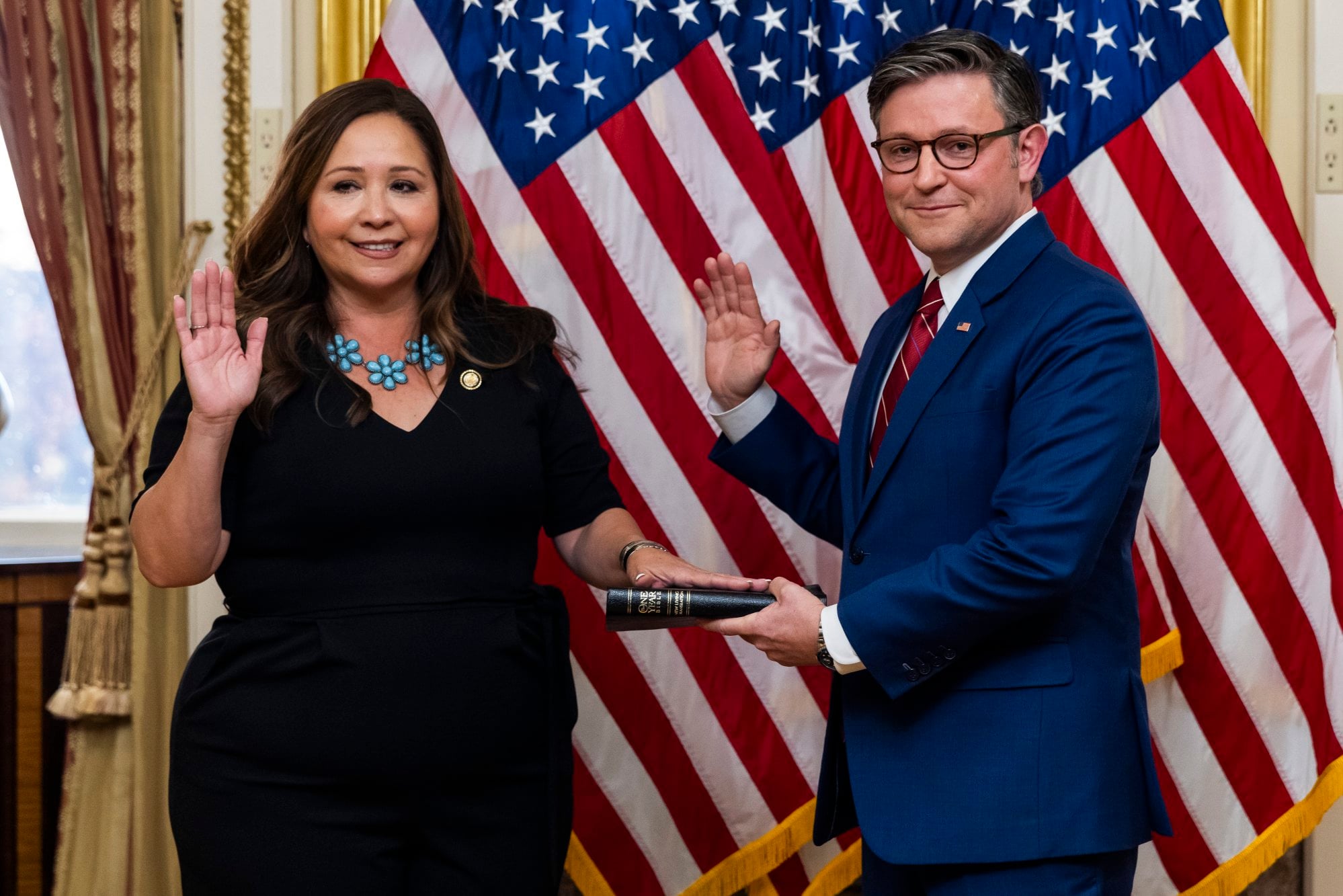
The House vote on Wednesday occurred hours after the delayed swearing-in of Congresswoman Adelita Grijalva, an Arizona Democrat, who won a special election in September.
Republican House Speaker Mike Johnson attributed the delay to the government shutdown, while Grijalva suggested it was intended to give Republicans more time to persuade colleagues to withdraw their names from a congressional petition seeking the release of files related to the federal government’s case against Jeffrey Epstein.
The lower chamber’s last legislative day before Wednesday had been September 19.
House members were expected to adjourn until next week following Wednesday's vote.
-- SCMP and Additional reporting by Agence France-Presse and Reuters



