People are almost twice as likely to develop long Covid if they regularly sleep less than six hours per night, even if they are double vaccinated, Hong Kong researchers who contributed to a global study have warned.
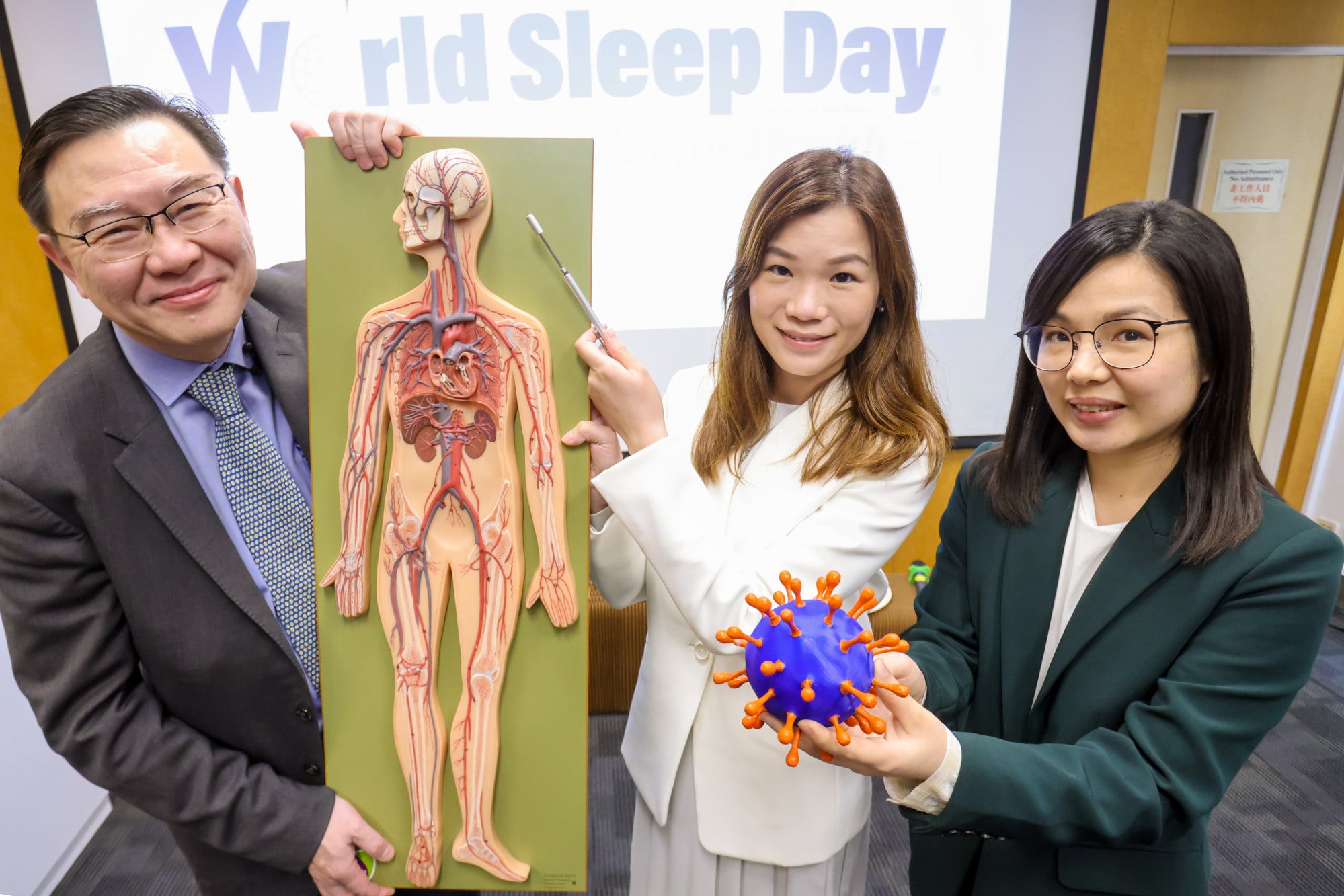
The scholars from Chinese University (CUHK) also urged everyone to prioritise getting more rest ahead of World Sleep Day on Friday, an annual event organised by the World Sleep Society.
“Many people might think sleeping is a waste of time as you don’t do anything during that time. But more and more studies have pointed out that sleeping is important,” said Professor Wing Yun-kwok, who chairs the university’s department of psychiatry, on Thursday.
Do you have questions about the biggest topics and trends from around the world? Get the answers with SCMP Knowledge, our new platform of curated content with explainers, FAQs, analyses and infographics brought to you by our award-winning team.
Long Covid could be longer – and worse – than we thought, study finds
The CUHK researchers made the appeal after working alongside their counterparts in 15 other countries and regions to chart the impact of the coronavirus on the sleep and well-being of 17,000 adults.
The study analysed the risk of developing long Covid after receiving two doses of an mRNA vaccine, with respondents categorised as short sleepers if they rested for less than six hours each night or long ones if they spent more than nine hours in bed.
Those who slept six to nine hours per night were considered by researchers to have a normal sleeping range.
Symptoms of long Covid include shortness of breath, joint or muscle pains, and loss of smell at least three months after contracting the virus.
Published last month in medical journal Translational Psychiatry, the study found that those who had received two vaccine doses were 21 per cent less likely to develop the condition than those who had one or no jabs.
But double-inoculated adults who spent less than six hours in bed had a 1.59 times greater risk of developing long Covid than normal sleepers.
“Vaccination can help lower the risks of long Covid, but the protection could be less pronounced among those who sleep less,” said Dr Rachel Chan Ngan-yin, an assistant professor with the department who contributed to the study.
“Sleeping can enhance our immunity. If we sleep less, the ability to fight against viruses might be lower and thus more likely to lead to long Covid,” she said.
More than 2 million Hongkongers may have suffered from long Covid: study
Meanwhile, Wing said that sleep deprivation could also lead to a range of health issues, such as a higher risk of developing metabolic diseases, inflammation and cardiac dysfunction.
A CUHK study published in 2021 that reviewed data on the sleeping habits of more than 400,000 people in the United Kingdom found a shorter time in bed contributed to the development of cardiovascular diseases, such as hypertension and blocked blood vessels in the lungs.
Another paper published during the same year by the university found that adolescents with insomnia or a tendency to go to bed later had a greater risk of developing depression.
Hong Kong doctors have doubts about long Covid and how it should be measured
“During sleep, metabolite in the brain accumulated during the daytime is flushed away. If we don’t sleep ... more metabolite will accumulate and problems can emerge,” Wing on Thursday said, referring to the general name for substances involved in the metabolism process.
The department chair encouraged the public to develop a healthy rest routine, such as maintaining a regular sleep-wake pattern, avoiding the use of electronic products before bedtime and winding down before dozing off.
Anyone who had less time to sleep, such as parents with newborns or those working late shifts, could instead take a short nap of 15 to 30 minutes during the day, the CUHK researchers said.
Overnight workers could also improve their rest quality by wearing sunglasses after clocking out to reduce their exposure to sunlight, they added.
More from South China Morning Post:
- How hyperbaric oxygen treatment (HBOT) helped osteopath’s mother fight cancer, and how it can aid long Covid and dementia patients – and slow ageing
- Covid-19 rules contributed to upsurge in short-sightedness in Hong Kong children, but eye drops may help cut risks, study finds
For the latest news from the South China Morning Post download our mobile app. Copyright 2023.
Already a subscriber? Log in
Get 20% OFF The Star Digital Access
Cancel anytime. Ad-free. Unlimited access with perks.