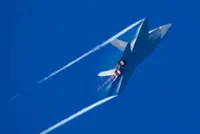
With the conclusion of China’s 20th party congress, Taipei has doubled down on its rhetoric against Beijing as Taiwan’s ruling Democratic Progressive Party seeks to turn up the heat ahead of local government elections next month.
But analysts said that such rhetorical conflict fuels bilateral animosity and might trigger unintentional incidents that could undermine the chance of cross-strait peace.
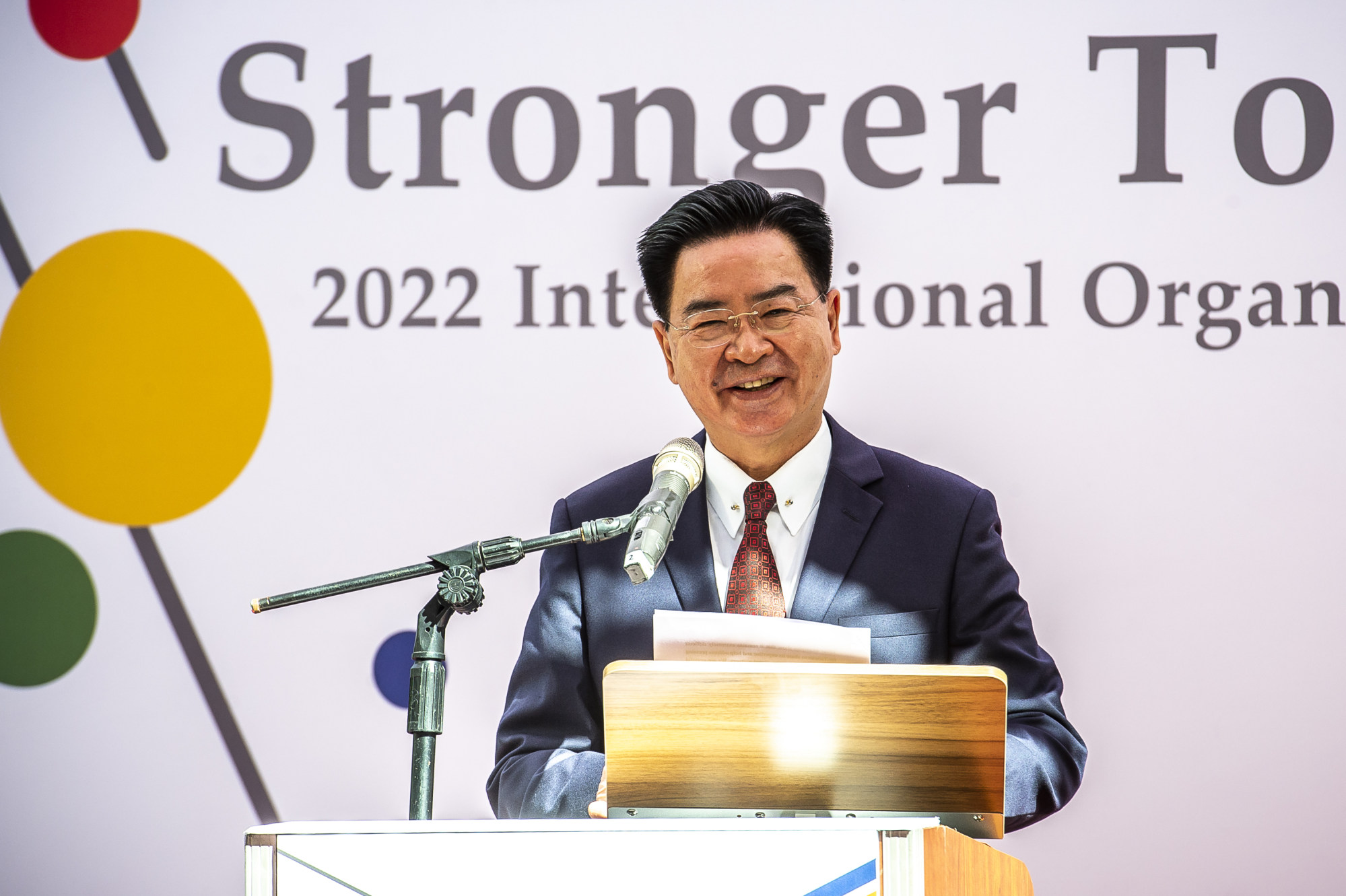
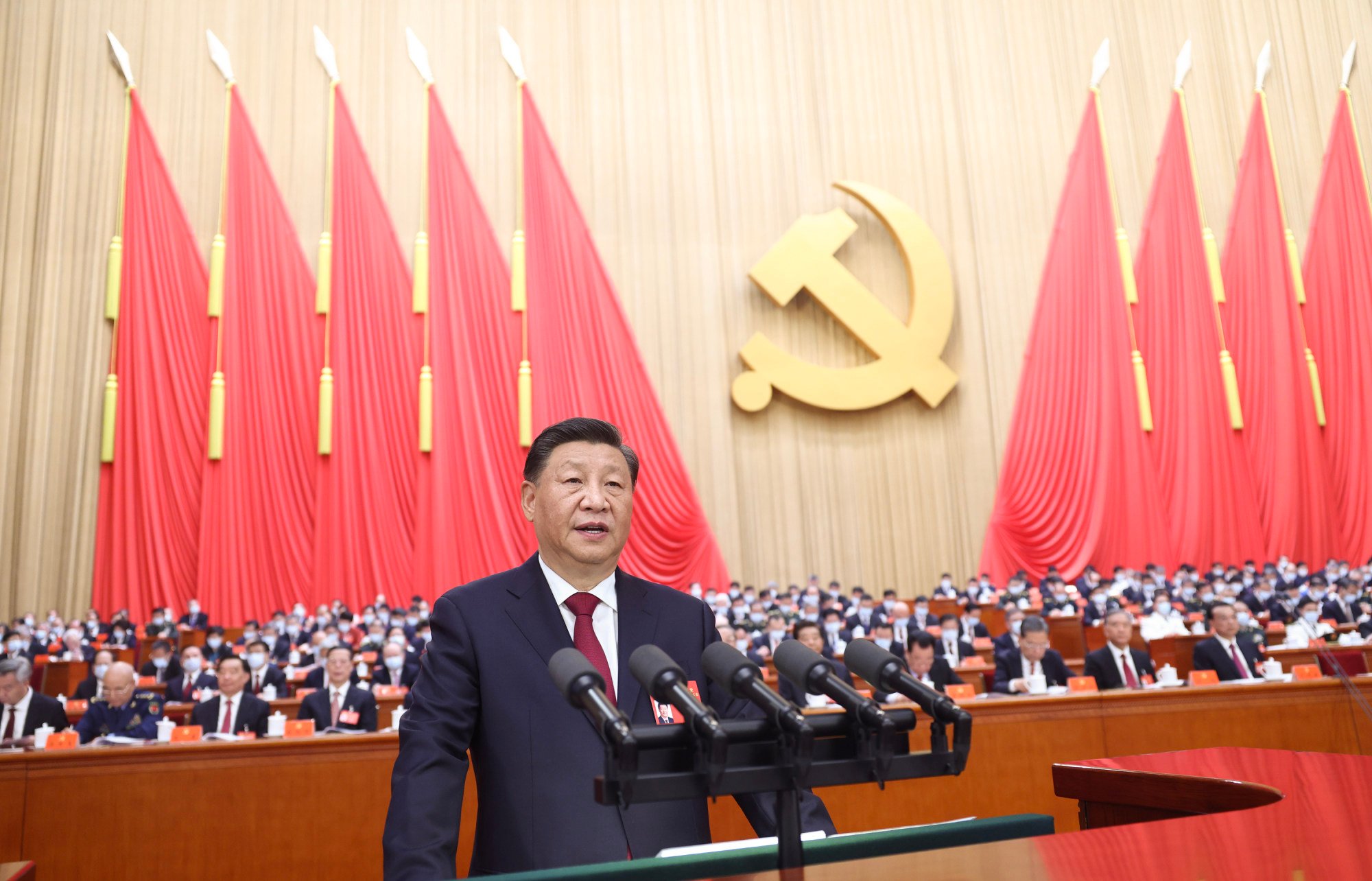
In a legislature meeting on Wednesday, Taiwan’s foreign minister Joseph Wu condemned Beijing for posing “greater security threats” and “fiercer diplomatic squeezes” as President Xi Jinping secured his third five-year term as leader of the Communist Party.
Do you have questions about the biggest topics and trends from around the world? Get the answers with SCMP Knowledge, our new platform of curated content with explainers, FAQs, analyses and infographics brought to you by our award-winning team.
“We have received some warning signs through our intelligence,” Wu said, referring to the potential loss of some of Taiwan’s remaining 14 allies, though he declined to elaborate.
To strengthen ties, Wu said that Taiwan’s President Tsai Ing-wen might consider visiting some of those remaining allies next year.
Wu also said that Beijing was expected to intensify its threats against Taiwan, citing its increased preparations for war with the island.
Wu’s comments were only the latest in a series made by other Taiwan officials. On Monday, Defence Minister Chiu Kuo-cheng told lawmakers that the self-ruled island would have to deal with a tougher and more modernised People’s Liberation Army, following the reshuffle of the mainland’s top military leadership on Sunday.
Last week, Chen Ming-tong, director general of Taiwan’s National Security Bureau, warned that Beijing might attack the island as earlier as next year “in the form of a blockade to force Taiwan to talk.”
Beijing’s Taiwan timetable will not be rushed by US: China analysts
He said that Xi might consider such a move to divert public attention from domestic mainland problems.
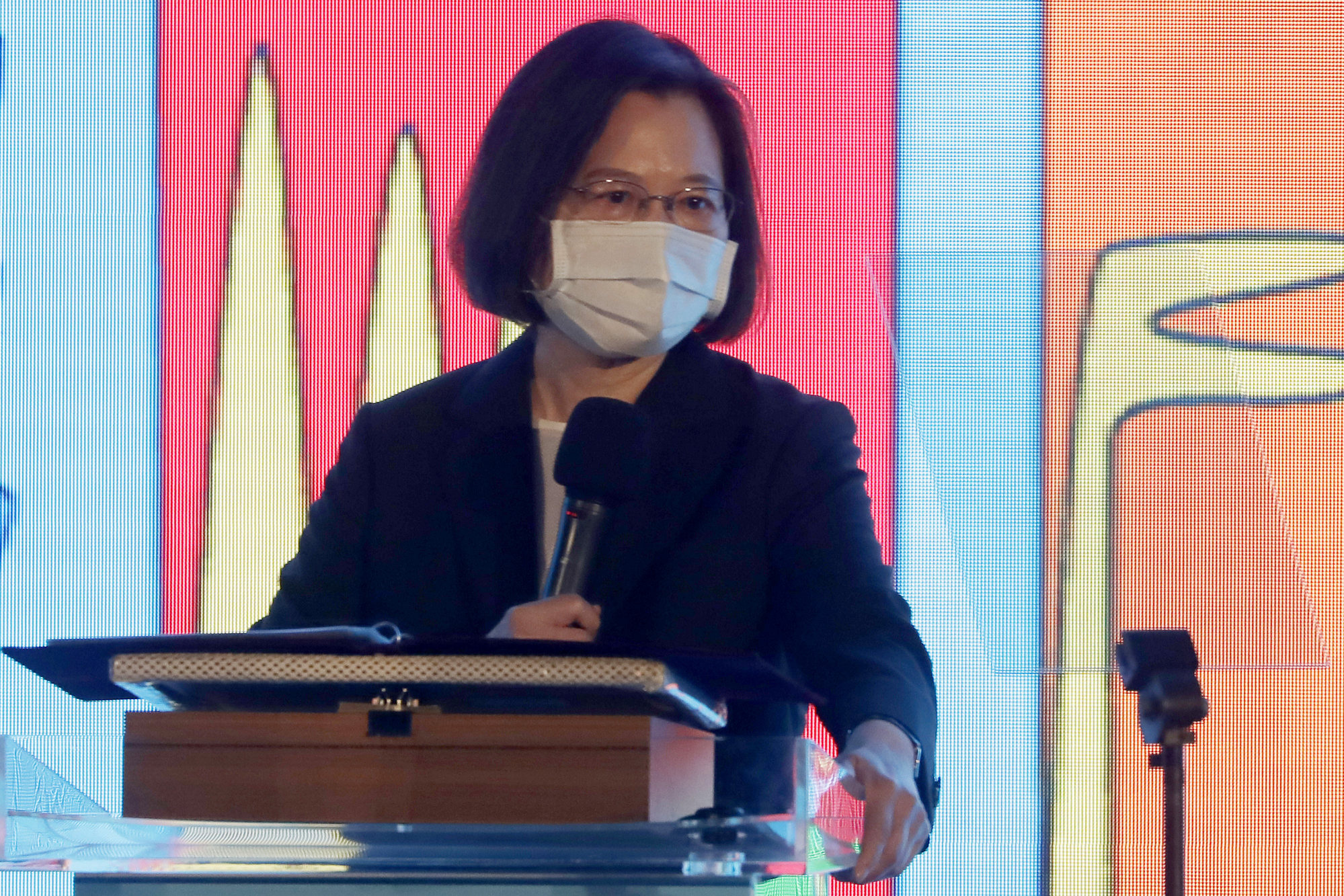
And Tsai herself, speaking at the 11th global assembly of the World Movement for Democracy held in Taipei on Tuesday, told participants that Beijing had kept engaging in military intimidation, economic coercion, cyberattacks and other means to pressure the island.
She called for like-minded countries to stand up against authoritarian regimes, including mainland China.
Analysts said the officials’ remarks were all intended for both Beijing and the general public in Taiwan.
“Through the rhetoric, the DPP government wants to tell Beijing there is no way Taiwan would embrace the mainland due to its persistent threats and coercions against Taipei,” said Wang Kung-yi, head of the Taiwan International Strategy Study Society, a Taipei think tank.
“The DPP also meant to tell local voters it is a better option than the [main opposition] Kuomintang party when it comes to countering the mainland and safeguarding Taiwan,” Wang said.
He said that the independence-leaning DPP had been focused on establishing itself as the party that stands up against Beijing and protects Taiwan to secure its hold on governing, especially ahead of the November 26 local elections.
“As people are lukewarm about next month’s elections, and the DPP does not stand a big chance to win, the 20th party congress thus provided a much-needed opportunity to turn up the heat in the races by bashing China – especially after Xi underlined the mainland’s resolve for cross-strait unification, opposition to Taiwan independence and maintenance of the use of force against Taiwan,” Wang said.
Wang noted that the DPP had been using this tactic for years, but said that such strategies increased the animosity between the two sides of the Taiwan Strait.
“The more the DPP bashes China, the more provoked the mainland would be and the fewer the chance of cross-strait peace,” Wang said.
Beijing regards Taiwan, a self-ruled island of 23 million, as a rogue province, to be eventually united with the mainland, by force if necessary.
In Beijing on Wednesday, Taiwan Affairs Office spokesman Ma Xiaoguang decried the DPP government for “stoking cross-strait tension, insisting on its splittist stand and colluding with external forces, which use the ‘Taiwan card’ to counter” Beijing.
Su Chi, chairman of the Taipei Forum think tank, said in a seminar on Wednesday that Tsai’s anti-Beijing policy served only to bring risk to Taiwan.
“Her [anti-Beijing] manoeuvre has brought forth the close combination of the party and the national will on the mainland over the urgency to complete the grand mission of cross-strait unification,” Su said.
More from South China Morning Post:
- Tech war: Taiwanese veteran who helped China’s memory chip progress says US-led Chip 4 Alliance could backfire on member countries -report
- TSMC gets one-year equipment waiver for mainland China chip plant, easing the blow from new US restrictions
- Taiwan denies US has plan to evacuate chip engineers and destroy TSMC facilities in event of attack from mainland China
- Taiwan’s military ‘stronger’ following PLA drills: Tsai Ing-wen
For the latest news from the South China Morning Post download our mobile app. Copyright 2022.
Already a subscriber? Log in
Get 20% OFF The Star Digital Access
Cancel anytime. Ad-free. Unlimited access with perks.