PETALING JAYA: The Government expects to secure up to RM7bil more in investments by the end of this year from foreign automotive players looking to manufacture energy-efficient vehicles (EEVs) in the country.
If approved, it will complement the existing RM7bil in investments that has already gone into the industry so far this year.
Malaysian Automotive Institute (MAI) chief executive officer Madani Sahari said the Malaysian Investment Development Authority (Mida) and MAI were conducting a cost benefit analysis on two potential companies who were looking to manufacture EEVs.
The analysis is to determine the financial strength of the two companies to undertake the investments that they have proposed.
“Once the cost-benefit analysis is completed, we will present it to the International Trade and Industry Ministry (Miti) and the Finance Ministry for final approval,” he told StarBiz last week.
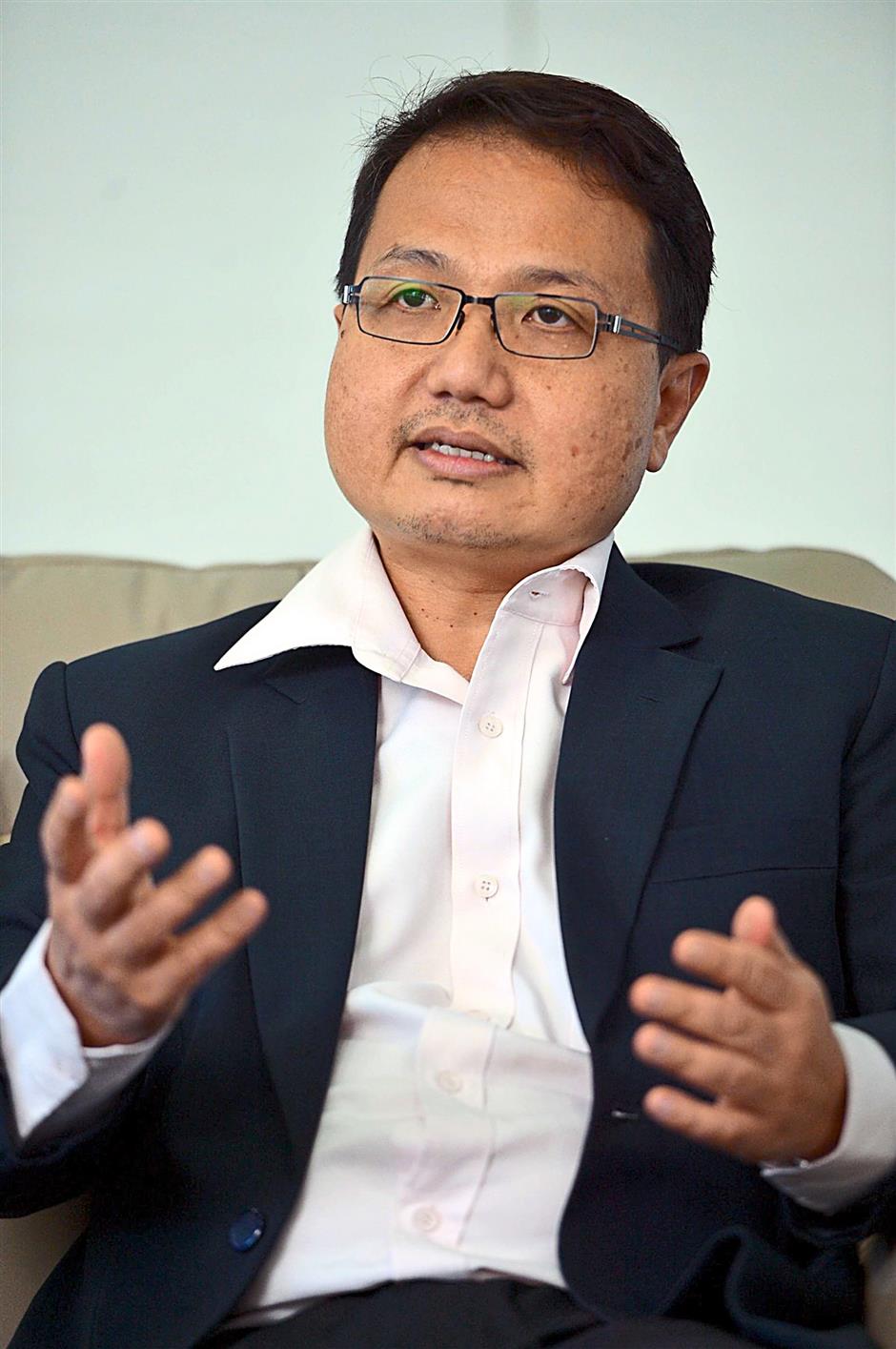
"Madani: 'Once the cost-benefit analysis is completed, we will present it to Miti and the Finance Ministry for final approval
Under the latest National Automotive Policy (NAP) unveiled in January this year, Malaysia is positioned as a hub for the manufacture and production of EEVs, which are automobiles that meet a set of defined specifications in terms of carbon emission levels and fuel consumption. EEVs include fuel-efficient vehicles, hybrids, electric vehicles and alternatively fuelled vehicles, such as compressed natural gas, liquefied petroleum gas, biodiesel, ethanol, hydrogen and fuel cell.
In relation to the emphasis placed on EEVs, Malaysian-owned Go Automobile Manufacturing Sdn Bhd (GAM), in partnership with China’s Great Wall Motor Co Ltd (GWM), became the first company to be granted an EEV licence in April this year.
In return, GAM has commited to invest RM2bil to manufacture EEVs over three phases until 2018.The first phase, with an initial investment of RM150mil, will start to produce EEVs as early as September. The second phase, with a production capacity of 50,000 units, will start by mid-2015.
The final phase, with a total production capacity of 100,000 units, is expected to be ready by 2018. GAM will first launch the Haval M4 and H6, which are compact and mid-sized sports utility vehicles (SUVs) respectively.
Hong Kong and Shanghai-listed GWM, which was founded in 1984, is China’s largest SUV and pick-up manufacturer.
It owns the Haval and Great Wall brands and employs over 60,000 employees. The company has a production capacity of 800,000 units.
The company sold about 770,000 units last year, making it the eighth-largest automaker in China. It is targeting to sell 890,000 units this year.
On the local front, GWM has a small presence in Malaysia. According to the Malaysian Automotive Association, it sold 281 units last year, compared with 173 units in 2012.
Existing car manufacturers also have expansion plans in line with the Government’s emphasis on EEVs as stated in the NAP.
According to Madani, national car company Perusahaan Otomobil Kedua Sdn Bhd (Perodua) has committed to invest RM3.5bil to build a new factory and to expand its existing one.
Perodua has already started its investment programme last year and the rate of it exhausting the investments will depend on the demand for its vehicles.
He said Mazda had committed some RM700mil in investments to expand its Inokom factory to ramp up its domestic and export operations last year. So far the company has spent RM300mil as part of its investment programme.
The move to liberalise the local automotive sector and turn the country into an EEV hub is a strategy to attract investments in the sector.
The Government wants to target players that do not have a presence in Asean, but was eyeing the region for expansion purposes.
Towards this end, it has been reported that the Government has received interests from China and Europe seeking EEV licences.
Industry observers believe that the entry of new foreign vehicle players would be healthy for the local automotive sector.
“It would spur competition as it would also mean better access to the latest technologies. At the end of the day, it just means more choices for the consumer.
Another industry observer pointed out that the entry of new players would enhance local talents and boost human capital development.
“New technology means that there would be a need for added technical expertise. Furthermore, the companies looking to set up operations here would need talents to run their operations.”
The investment by GAM itself is expected to see the creation of around 4,000 new jobs at its plant in Gurun, Kedah.
Already a subscriber? Log in
Get 20% OFF The Star Digital Access
Cancel anytime. Ad-free. Unlimited access with perks.