Peace is turned into a feast at Conflict Kitchen London, a moveable restaurant with a conscience.
The pop-up eatery, launched ahead of the International Day of Peace on Sept 21, is serving traditional food from Myanmar, Jordan and Peru to encourage discussions about the prospect of peace in those countries.
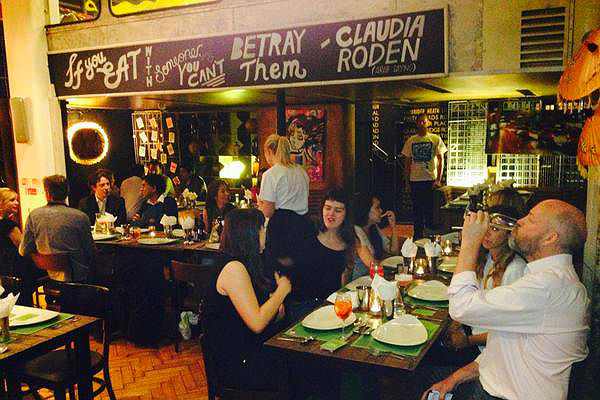
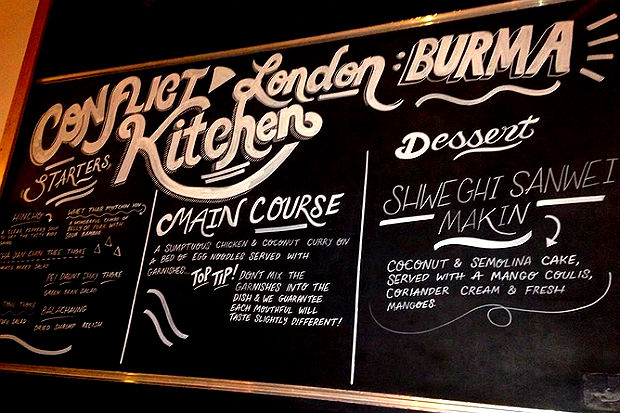
More than 100 people attended the first week of the three-week residency at Monikers, a space in East London. A mixed crowd of locals, foodies and nationals of Burma – the country now called Myanmar – got a chance to meet new people and try dishes including hincho, a spicy soup, and a chicken-and-coconut curry served with egg noodles.
As the £35 (RM185) three-course meal was being prepared, guests break the ice with strangers, using cue cards to lead dinner conversations about everything from Myanmar’s largest exports to the number of years its opposition leader, Aung San Suu Kyi, spent under house arrest. Diners can also order themed cocktails, with a Negroni masquerading as a “Rangooni”, after the original name of Myanmar’s commercial capital Yangon.
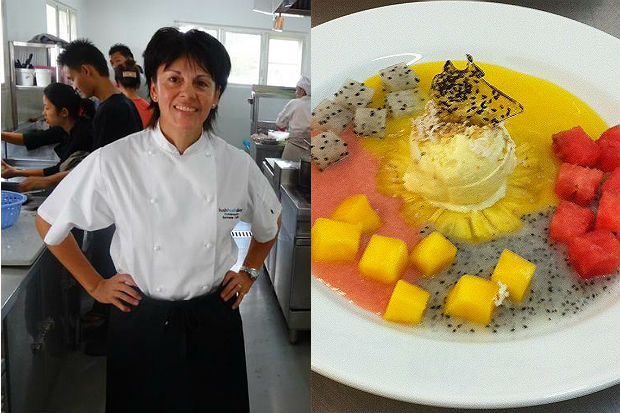
Debbie Riehl, an up-and-coming Myanmar-born chef and artist who conceived and prepared the dishes, says the restaurant catered to a number of needs. “To talk about global issues over a meal? I just had to get on board with this,” she says. “It’s non-confrontational, people are having conversations about things, and exchanging ideas, thoughts, views, everything.”
The creative decor is designed to bring diners up to speed with the issues. A large rolling chalkboard outlines the history of Myanmar as a creative infographic. Communal tables have placemats with world maps.
The agendas for debate are far from rigid. On one table, conversations sway toward topics of the moment including the Scottish referendum and the current state of music education in the UK. On another, a pair of Burmese friends discuss how they have never attended such an event and could only share Burmese food in one of the few Buddhist monasteries in the capital.
Debbie adds: “A lot of Burmese people have come as well. They’re thrilled that there is a Burmese pop-up but also to be associated with something like this because they’re obviously more aware of the conflict in Burma.”
“Peace is a marathon”
A bell rings before each course is served, followed by a “fact” shared by Phil Champain, director of Emerging Programmes at International Alert, the charity behind the concept. He outlines the history of Burma’s independence from Britain in 1948, decades of authoritarian military rule and the reforms in 2010, which may lead to the country’s transition to a full democratic government. “But peace is a marathon, not a sprint,” he stresses.
Chapman adds that Conflict Kitchen London was loosely inspired by Cocina del Conflicto (Conflict Kitchen), a project in Pittsburgh, Pennsylvania which only serves food from “countries with which the United States is in conflict”.
The non-profit pop-up is part of International Alert’s current Talking Peace festival, which offers a series of peace-related events across London. “It’s very much looking at this kind of food as a way of bringing people together to ultimately resolve differences and reconcile and also deepen understanding,” says Champain.
A few days later, diners are invited to think about Jordan, facing pressure from an influx of refugees from Syria, Iraq and the Palestinian territories, while consuming Jordanian staples.
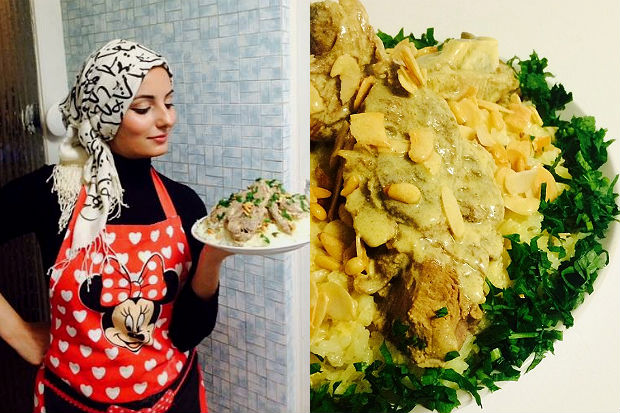
“I think it’s unusual to have food mixed with politics but those are two things I enjoy,” says Nina Harris, an 18-year-old student from London who attended the Jordan evening with her sister. “I’ve really enjoyed the evening. It was good to mix with different age groups, people with different jobs and backgrounds.”
Robert Sutton, a 36-year-old American living in London, agrees with his fellow diners. “It’s a good way to meet a lot of people to talk about issues that are current topics in the world. You can talk to people about their views and enjoy food represented from their countries first hand. It’s really good.”
The final week will put the spotlight on Peru, where there is conflict between indigenous people and companies over land rights and natural resources. – Reuters
Already a subscriber? Log in
Get 20% OFF The Star Digital Access
Cancel anytime. Ad-free. Unlimited access with perks.