
It’s September 2026, and there’s a familiar melody playing during this month’s Nintendo Direct livestream.
While heavy hitters like Metroid, Final Fantasy, and Fire Emblem were major takeaways from the showing, Malaysians got a pleasant surprise to the tune of Rasa Sayang with the unveiling of Ondeh Ondeh Kaya’s Tasty Tale from indie studio Metronomik.
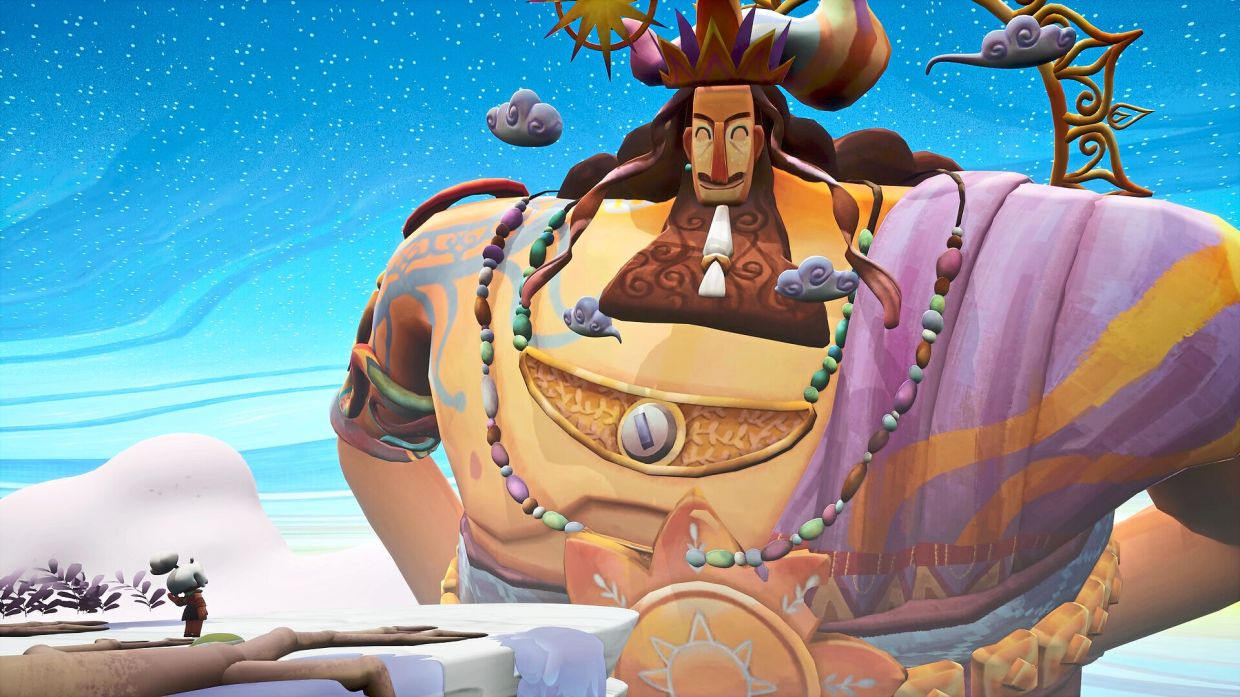
The Nintendo Direct preview segment and the subsequent trailer uploaded to the company’s YouTube channel showed off a colourful world inspired by both the musical beats and cuisine of Malaysia.
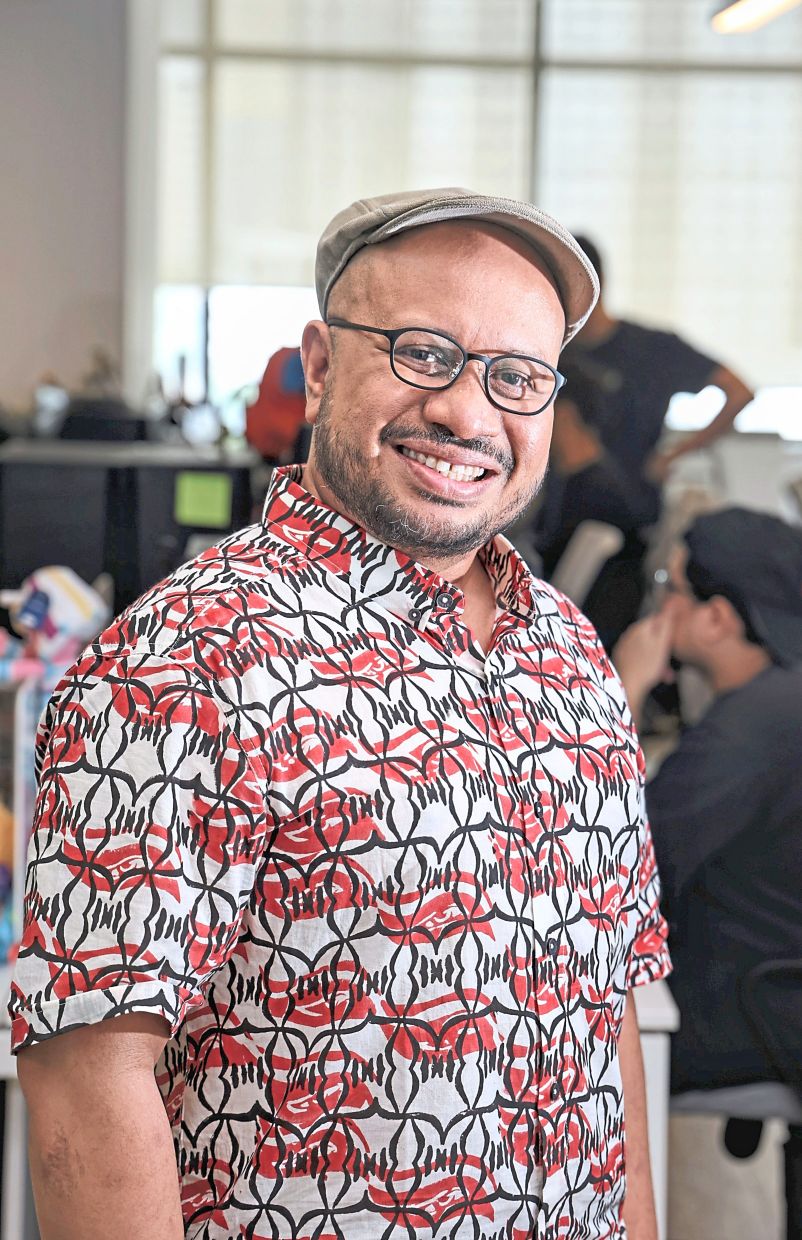
For Metronomik co-founder Wan Hazmer Wan Abdul Halim, who goes by Haz, the project has been a long time coming, with discussions between him and his cousin and fellow co-founder, Daim Dziauddin, dating back to their time in Tokyo.
“He (Daim) has always wanted to make this game, or a story, where it involves two huge world builders and a child as the main protagonist. So we thought, okay, let’s bring this idea into Ondeh Ondeh Kaya’s Tasty Tale.
“As for the gameplay, way before a certain animation came up, I’ve always wanted to make a game where the only way for you to conjure magic is to have the element actually there.
“So, for example, to conjure water magic, you need the lake nearby and all that. Daim and I even made a joke about, you know, that the water magician has to have a lot of mineral water bottles at the back, running through the desert to cast magic, you know,” he reminisced.
Music, meanwhile, has always been a foundational element of Metronomik’s games. This led Haz to consider how music could be incorporated into the gameplay itself.
“I thought, you know, since we are doing the music element, why not we have a system where, rather than elements, how about you can absorb rhythm from the environment and use it elsewhere.
“So that combined with the world builder idea was what gave birth to Ondeh Ondeh Kaya’s Tasty Tale,” he shares.
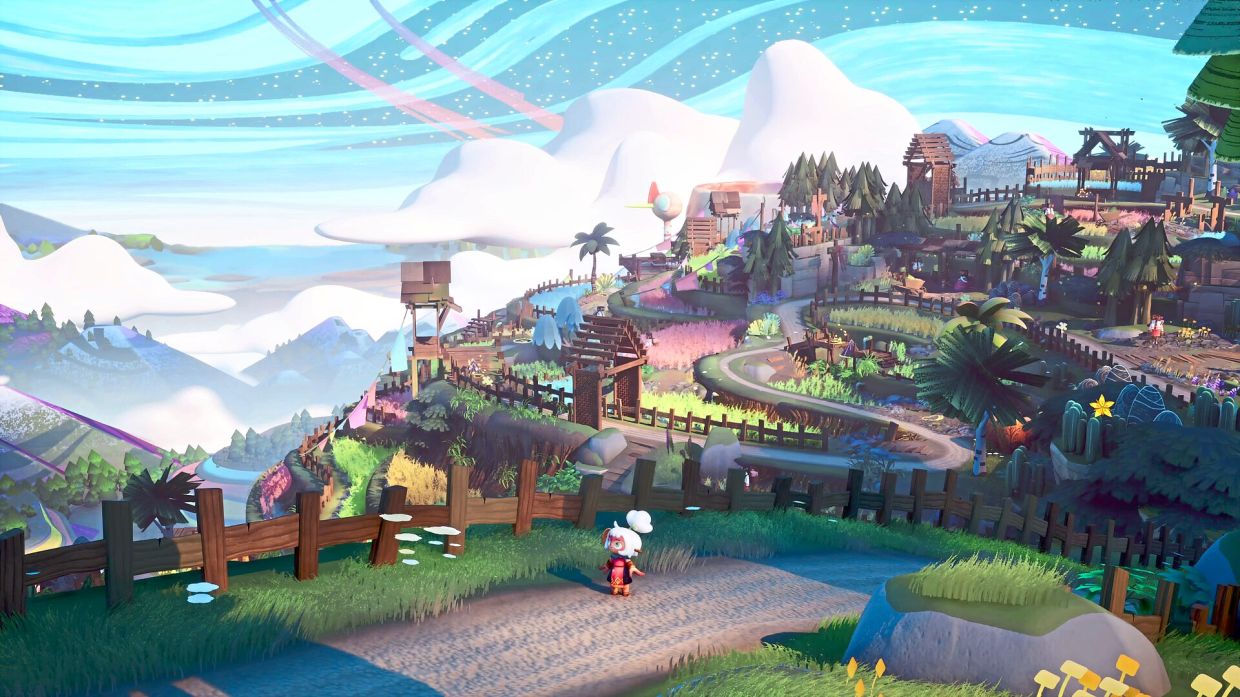
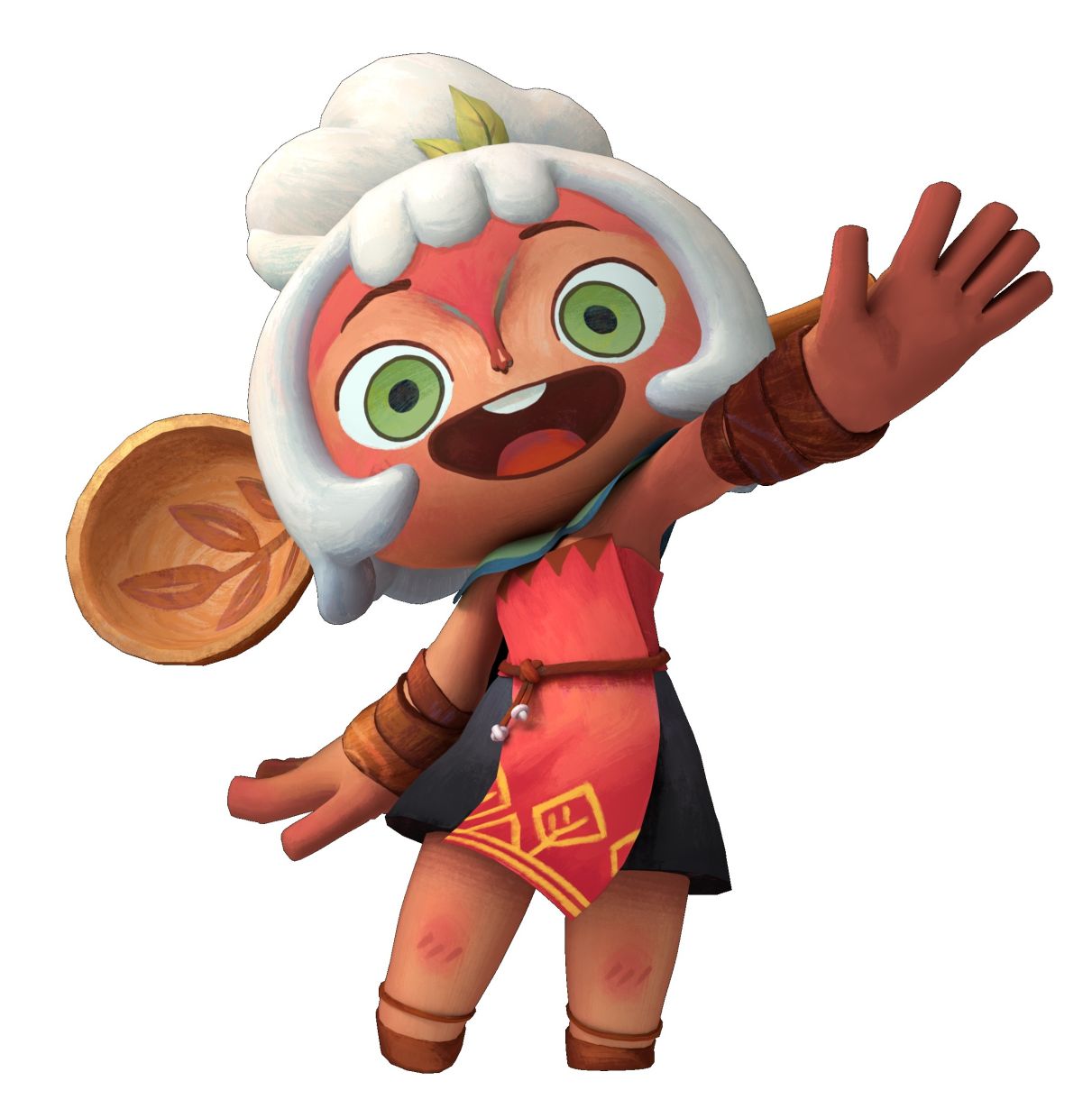
Based on its Steam description, the game is a puzzle action-adventure that follows Kaya on her quest to become a World Builder set in the South-East Asian-inspired world of Selera.
Both food and music, which Haz cites as being inspirations in his own life, come together to shape the game’s unique systems.
“For food, of course, we have the taste, right? Our taste buds can sense different tastes and all that. When you look at a typical Japanese RPG, you think of wind, fire, earth, right?
“So, how about we replace that with sweet, salty and all that? That’s what makes the world of Selera, and the different elements actually have different types of gameplay, which I cannot reveal too much, but yeah.
“That is where the uniqueness comes in, and that combined with the beats and all that is what makes the puzzle solving interesting,” he says.
After Ondeh Ondeh Kaya’s Tasty Tale was unveiled on Nintendo Direct, which Haz credits to the game’s publisher, Bandai Namco Entertainment Asia, he pored over comments on X (formerly Twitter), YouTube and other platforms. The response was an encouraging one.
“I think the one that stood out to me the most was definitely when they (streamers) shouted, ‘Oh my God, is that Rasa Sayang?’
“When they heard that, even just a few notes, they already knew it was Rasa Sayang. That’s amazing. I was really deeply touched by that response,” he says.
According to Kotaro Usui, a producer for the game from Bandai Namco Entertainment Asia, its inclusion in the Nintendo Direct showcase was made possible by the publisher’s established relationship with Nintendo.

“We recognised early on that the game’s distinctive South-East Asian identity, accessible gameplay, and strong visual appeal had the potential to resonate well beyond the region, so we proactively presented it to Nintendo as a title that could bring something fresh and memorable to the Nintendo Direct line-up.
“Our pitch focused on what makes the game stand out: its colourful world, charming characters, rhythm and puzzle action-adventure concept, and the way it introduces South-East Asian culture through an entertaining experience with global appeal,” he says.
Going global
When it comes to the actual foods chosen to be represented in-game, Haz says the dishes will not be limited to just those from Malaysia, but also South-East Asia in general.
Locking in on the specific dishes is not something that Metronomik is doing all willy-nilly, too. A key part of making these calls comes down to the relevance of the specific foods.
“I think I’m known as the Roti Canai guy, apparently. Because I put roti canai in FFXV (Final Fantasy XV), right? But there’s a reason why we put roti canai in.
“In that game, for example, there’s a relevance as to why roti canai exists in that world. Because the city is away from any water source, it’s a dry place, so Malaysian food culture felt perfect for that game.
“For our game, we also choose what is suitable for that particular town. So, for example, if it’s related to the sweet element, for example, then what would be more suitable for that?” he says.
Another thing the Metronomik team does is reimagine familiar dishes for the game, putting its own spin on things rather than just directly recreating the exact dishes.
Haz says that an ondeh-ondeh in-game has a bit of a different definition, though it’s still a ball. Feedback from overseas guests is also taken into account when deciding what foods to include, and how they can be made relevant.
Usui, who describes himself as being “the first fan in Japan to be captivated by the work”, hopes the game’s visuals and cultural depictions will give international audiences a glimpse into South-East Asian culture and create a sense of curiosity.
At the same time, Malaysians and South-East Asians could see something that they recognise and go “I know that!” while exploring.
“Seeing familiar cultural touches brought to life with care on a global stage can be something really special, and we want players from the region to feel proud that their stories and experiences have a place in games enjoyed around the world.
“Ultimately, we hope Ondeh Ondeh Kaya’s Tasty Tale brings everyone together for a fun adventure, while showing that stories rooted in our region can feel universal too,” he says.
Something that Haz and Daim set out to achieve with their projects is to challenge the stigma that anything labelled “local” is inherently lower quality. This comes down to two major emphases.
Haz says the first is not being shy about Malaysian culture. This means that the team has the freedom to draw from their own experiences without any restrictions when it comes to what can be included in the game.
Thinking back on Metronomik’s previous title, No Straight Roads, he says the team learnt that international audiences could be very receptive towards the inclusion of Malaysian culture.
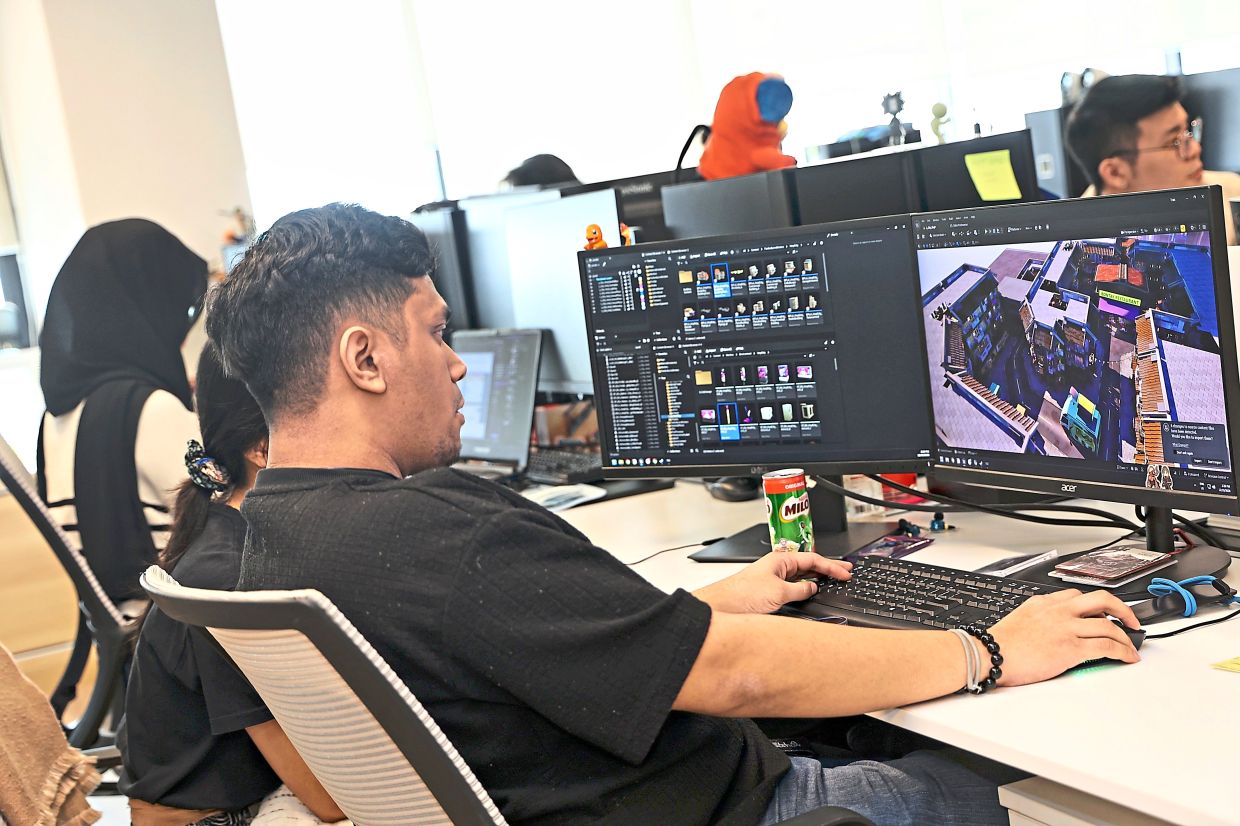
“We released No Straight Roads with a Dikir Barat boss. His name is DK West. Not many people realise that it’s just Dikir Barat translated into English.
“But yeah, it’s DK West, and it’s a rap battle. A lot of the non-South-East Asian streamers were shouting “ewah!” during the stream, and I’m like, ‘wow, this is amazing’,” he says.
During the boss fight against DK West, “ewah”, a Malaysian exclamation used to express surprise or amusement, was included as part of the character’s dialogue.
“The characters were speaking in Malaysian accents as well. So when the team saw it (the reaction), they were like, ‘okay, I think it’s okay to showcase our culture’.
“For Ondeh Ondeh Kaya’s Tasty Tale, we learned from that, and then we put in more culture into the game. So we are less shy about it,” he says.
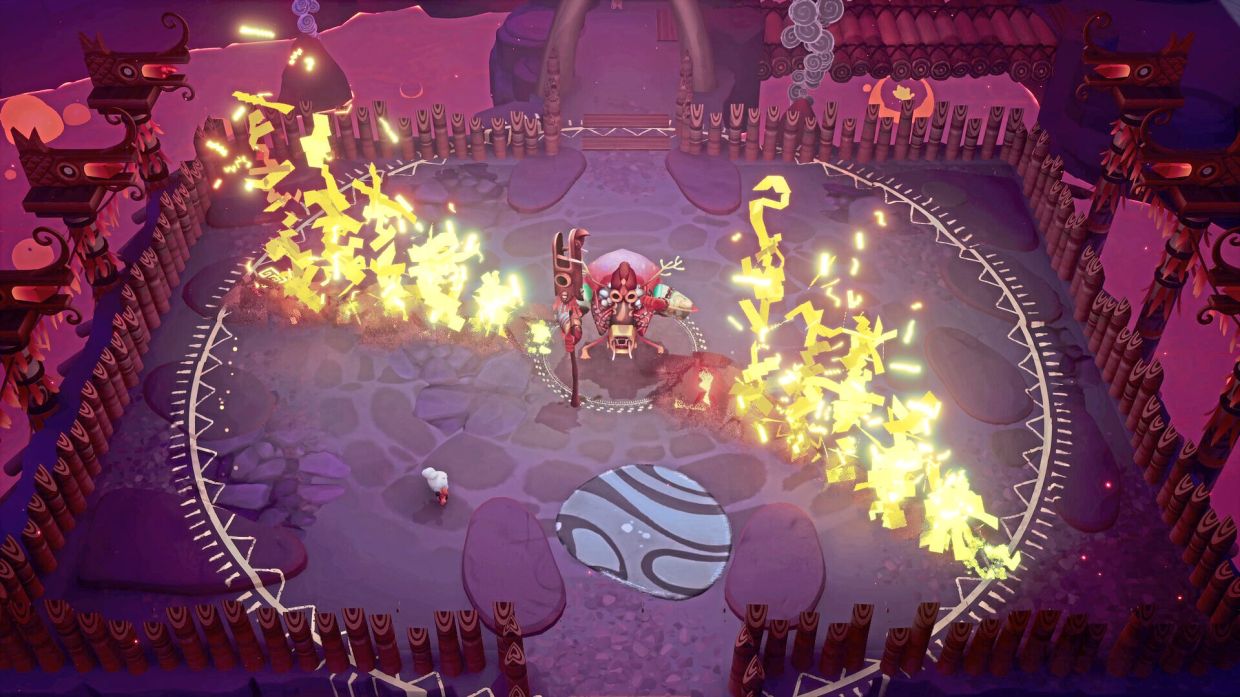
At the same time, Haz points out that these inclusions need to be packaged in a way that is relevant to a global audience.
“We usually look at it in two facets. One is to ensure that there’s some global message. Everyone knows how it feels to fall in love, to break out of love, to have an argument with family, and all that stuff.
“So, we make sure that we put all that global message and inject our local culture. At the same time, we celebrate similarities as well, you know?” he says.
He adds that while this is a chance to showcase Malaysian foods and culture, the main focus is on making sure the game is fun in the first place, rather than having it act like some kind of history textbook on Malaysian foods and culture.
Ondeh Ondeh Kaya’s Tasty Tale will also be showcasing its Malaysian identity through its voice acting. According to Haz, the dialogue will also feature Manglish alongside full Malay-language subtitles.
Diving into design
Another reaction Haz noticed from those outside South-East Asia was the positive response towards the distinct art style of Ondeh Ondeh Kaya’s Tasty Tale, which he credits to the Metronomik art team.
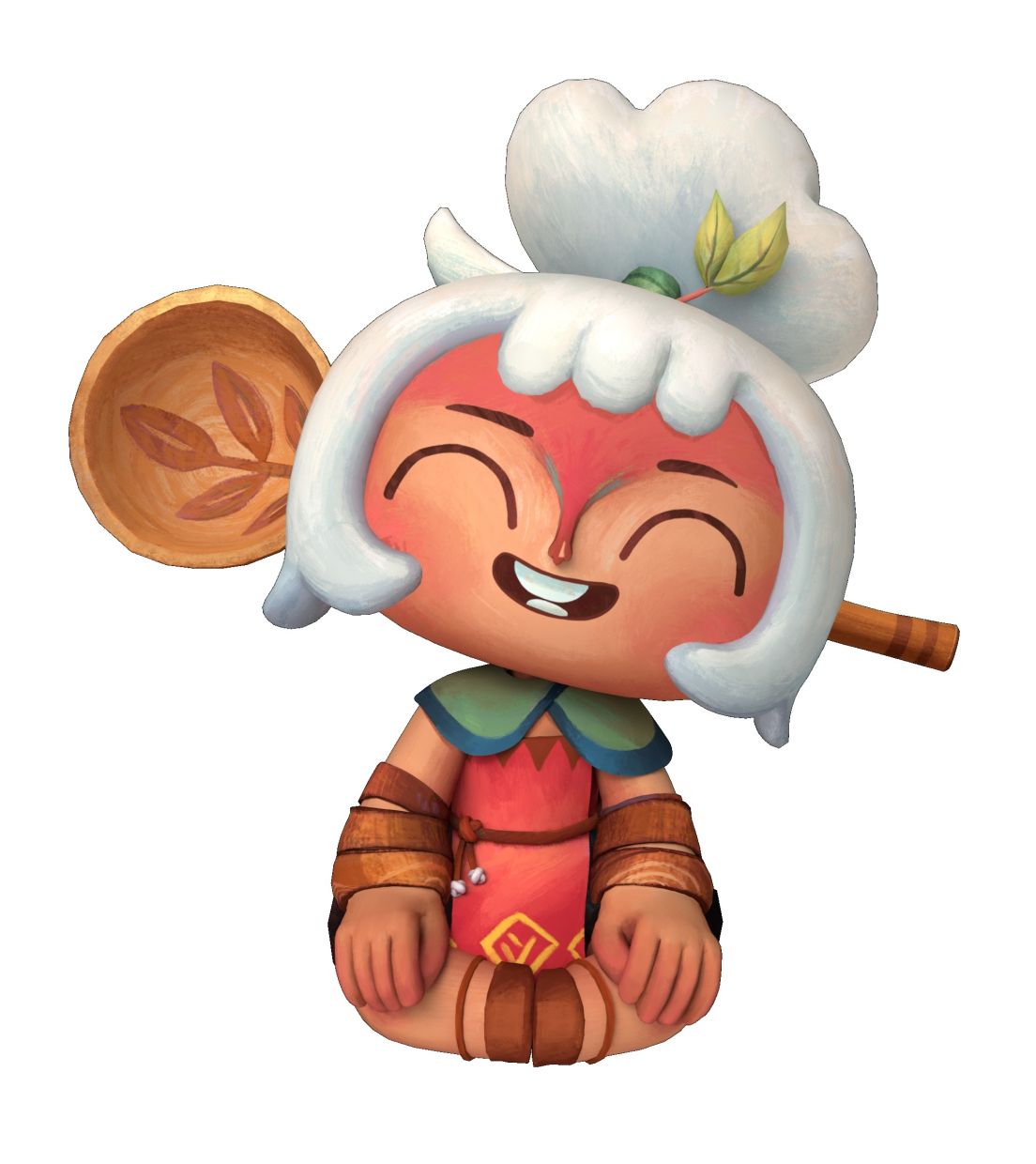
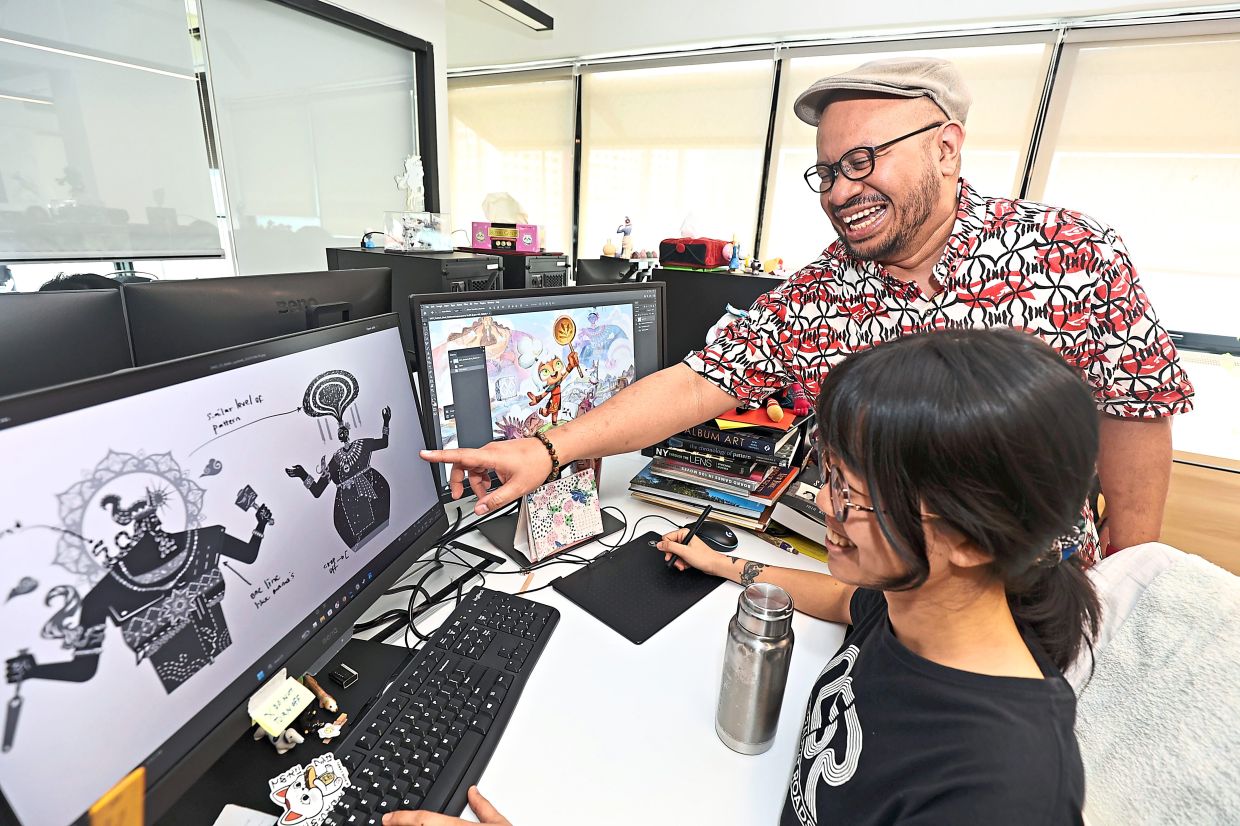
“Daim, our creative director – I guess the same applies to me as well. We just like weird things. So first of all, when we do character design, I think a lot of the art team was already in tune with the Metronomik DNA, which is, let’s come up with something a bit weird. So character design is inspired by many, many things,” he says.
The character designs draw from the cultural background of team members, traditional clothing, and the towns the characters are placed in, which are inspired by real-life places like Melaka or other places in South-East Asia.
“So character design is not only inspired by food, basically. It’s inspired by different other cultures, other aspects of cultures, and also just our weird minds,” he says.
When it comes to gaming influences, Haz cites Rhythm Heaven and his longstanding love for Katamari Damacy, which he says was the reason behind him deciding to pursue a career in game development all the way in Japan.
Another lesson the team took from No Straight Roads is in modularity. Many of the bosses and dungeons in the previous title were custom-made, which Haz explains sounds good on paper, but if any problems were to come up, time would need to be spent on figuring out a different solution each time.
“For example, if you were to use this puzzle device and we put it somewhere else, it would still work.
“So now, we can expand the amount of gameplay required with less production costs because we think more modularly and we don’t make custom solutions for every single boss. So it has been working for us greatly,” he says.
In turn, this creates a familiar gameplay loop, where players learn existing mechanics before being introduced to new ones.
Narrowing focus
While a wealth of ideas is a good problem to have, picking and choosing from them all becomes its very own challenge. This can be especially daunting for creatives who know their own projects inside and out.
“We already are familiar with how it works. So, to us, when we try to solve the puzzle, we’re not really solving the puzzle. We’re just going through it like as if it’s fast work, you know?
“The most important thing is to get to know what other people think of the game. I think that’s one of the toughest parts.
“Bandai Namco Entertainment Asia has helped a lot with that as well, to give us some insights on whether a part of the game is fun, what is not fun,” he says, adding that it helps with validating what works.
When asked about the core mechanics of the game, Haz says it’s about “family, food and music”.
“I don’t know whether I can reveal more than that, but yeah, those are the three main things.
“But I think, let’s just put it this way also, I think it’s all about listening to the world and trying to absorb that and see how you go through life. Basically, that’s the gist of what the game is about,” he says.
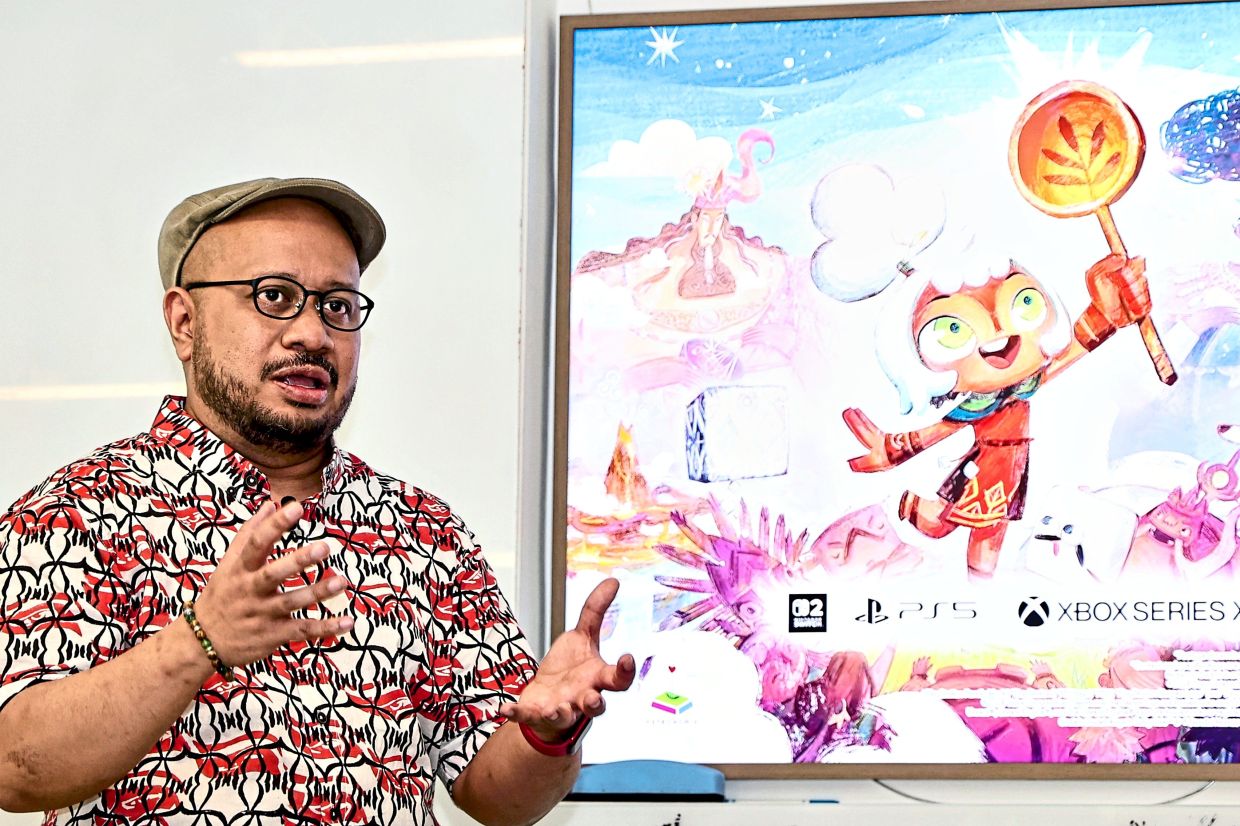
Haz closes things off saying: “This is just the surface of what we have to show; there’s a lot more to the game than what’s being shown right now.
“I hope everyone will follow and see the game for what it truly is, because I think that it’s a game where South-East Asians will be proud to show to the world.”
Ondeh Ondeh Kaya’s Tasty Tale releases in 2027 on Nintendo Switch 2, PlayStation 5, Xbox Series X and S, and Steam.