United Nations experts said Meta Platforms Inc "disproportionately curtailed” accounts linked to one side of Brazil’s presidential race, in an apparent reference to President Luiz Inácio Lula da Silva’s campaign.
The experts didn’t name Lula or his right-wing rival Flávio Bolsonaro. But the incidents they cited – including restrictions on one campaign’s Instagram posts, differences in audience reach and AI image generation, and political content potentially benefiting the opposing candidate – closely resemble complaints made by Lula’s campaign.
The statement follows a decision last week by a Brazilian electoral court judge ordering Meta not to interfere with the distribution of political or election-related content. Lula’s campaign filed a complaint with the court alleging that Meta has "repeatedly and systematically failed to deliver” his posts to users.
Lula and Bolsonaro remain locked in a tie in polls four days before the runoff, with both candidates rolling out expensive promises to lure undecided voters, while offering few details on how they would pay for them.
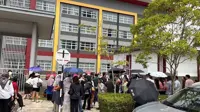
On Oct 19, Lula supporters protested alleged election interference in front of Meta’s Brazil headquarters in São Paulo. In addition to Facebook and Instagram, the company also owns WhatsApp, the messaging app used by more than 90% of Brazilians.
Meta rejected the suggestion that its platforms favour any political viewpoint, saying users are free to express themselves on its apps.
"Technical incidents can occur on a platform of our scale, but they do not reflect political bias,” the company said in a statement, adding that it complies with local legislation.
In a document sent to the electoral court on Oct 19, Meta said "content related to both candidacies is treated equally and without discrimination.” The court held a meeting with the company and both campaigns Tuesday (Oct 20) evening.
The Lula campaign also separately accused Meta AI, the company’s generative artificial intelligence (AI) tool, of refusing requests to create images related to Lula while generating campaign material favourable to right-wing challenger Bolsonaro.
"Losing reach can mean losing a voice in public debate and the ability to mobilise communities,” the UN experts said in a press release. "Algorithms, AI systems and content-moderation decisions must not become invisible arbiters of political discussion.”
Lula and his allies have repeatedly sparred with global technology companies, pushing for stricter regulation of online platforms as well as stronger measures to curb hate speech and digital vitriol.
During the 2022 presidential race, authorities ordered Twitter, now X, and other social media networks to remove posts and content that allegedly spread election disinformation. – Bloomberg