
It’s a hot day out, and a mini electric fan selling for about RM20 seems like a worthwhile purchase to keep cool.
Forgot to charge your wireless earbuds? A cheap pair of wired earphones can serve as a quick fix.
And if you realise you left your charger at home while at the airport, buying a replacement may seem like the easiest solution.
Each purchase makes sense at the moment. But as more low-cost electronics find their way into consumers’ hands, the Waste Electrical and Electronic Equipment (WEEE) Forum is raising questions about what happens when these products are no longer wanted.
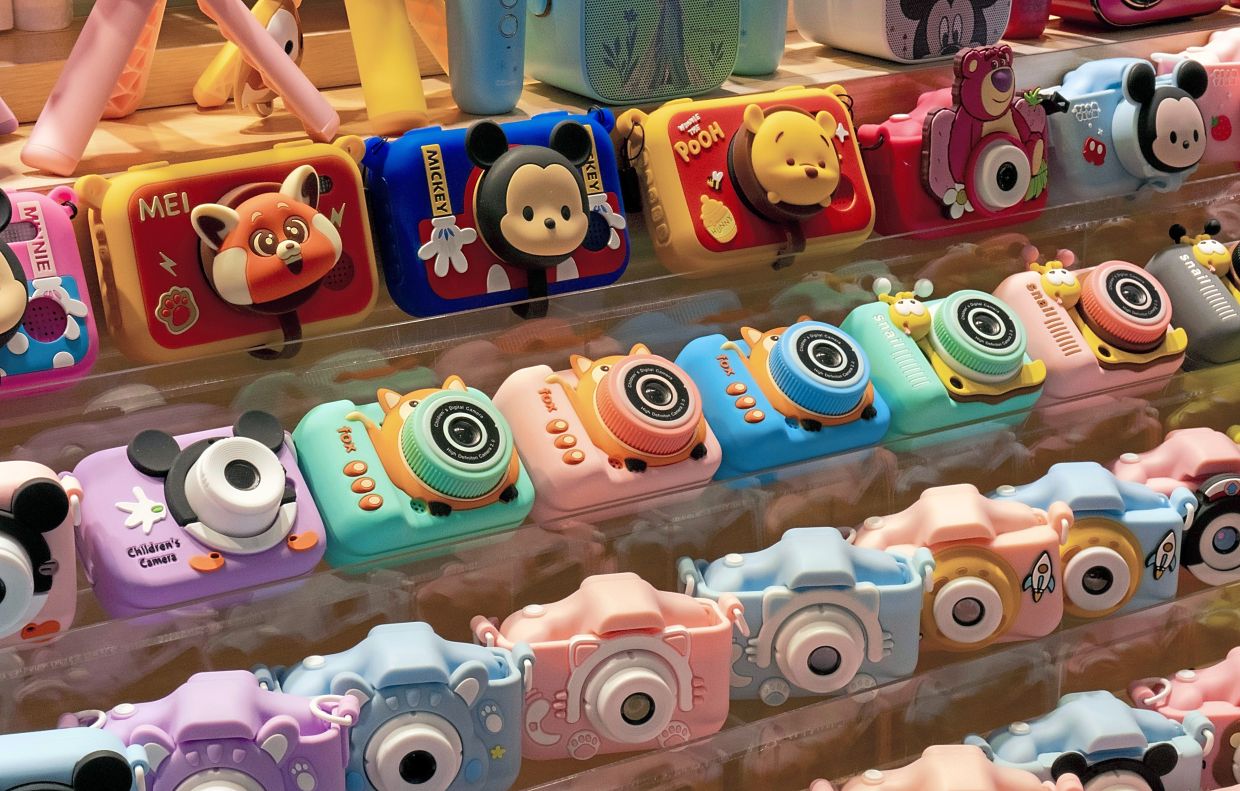
For International E-Waste Day (Oct 14), the WEEE Forum is drawing attention to the growing trade in “fast tech” or small, inexpensive electronics such as USB adapters, chargers, cables, mini fans, powerbanks, LED lights and electronic toys that are often used for short periods before being replaced or tossed, creating a rapidly growing but largely overlooked stream of electronic waste.
“Fast tech is the blind spot of the e-waste world,” said WEEE Forum director-general Pascal Leroy in a recent statement.
As the holiday season fast approaches, Leroy added that purchases of fast tech are expected to surge in the coming weeks, with many of these low-cost gadgets sold through online platforms.

“Black Friday and Christmas will bring another enormous wave of electronic toys, decorative lights, mini gadgets, chargers and other inexpensive electronics into our homes. Their low price doesn’t mean they have no environmental cost. We need them to be collected and recycled when they’re no longer in use,” he added.
In Malaysia, major e-commerce platforms hold annual shopping campaigns such as 11.11 and 12.12, offering discounts that can encourage consumers to snap up inexpensive gadgets.
Zero Waste Malaysia director Khor Sue Yee said the ease of online shopping also shapes how Malaysians replace broken or faulty items, with buying a new product often just a few clicks away.
“We’re spoilt for choice with e-commerce platforms. Especially when things are broken, we tend to buy online,” she said.
Growing problem
A Fast Tech Consumer Study recently commissioned by the WEEE Forum and conducted by Bellegarde Scientific Consulting found that low prices and convenience have made fast tech a routine purchase, with many consumers accepting that these gadgets may not last long before needing to be replaced.
This appears to be an acceptable bargain for many, with 61% of fast tech buyers saying they were satisfied with their purchases, compared with just 8% who expressed dissatisfaction. The online survey was completed by 10,245 adults across 12 European countries in July 2026.
However, the products’ short lifespans raise concerns about the waste they generate.
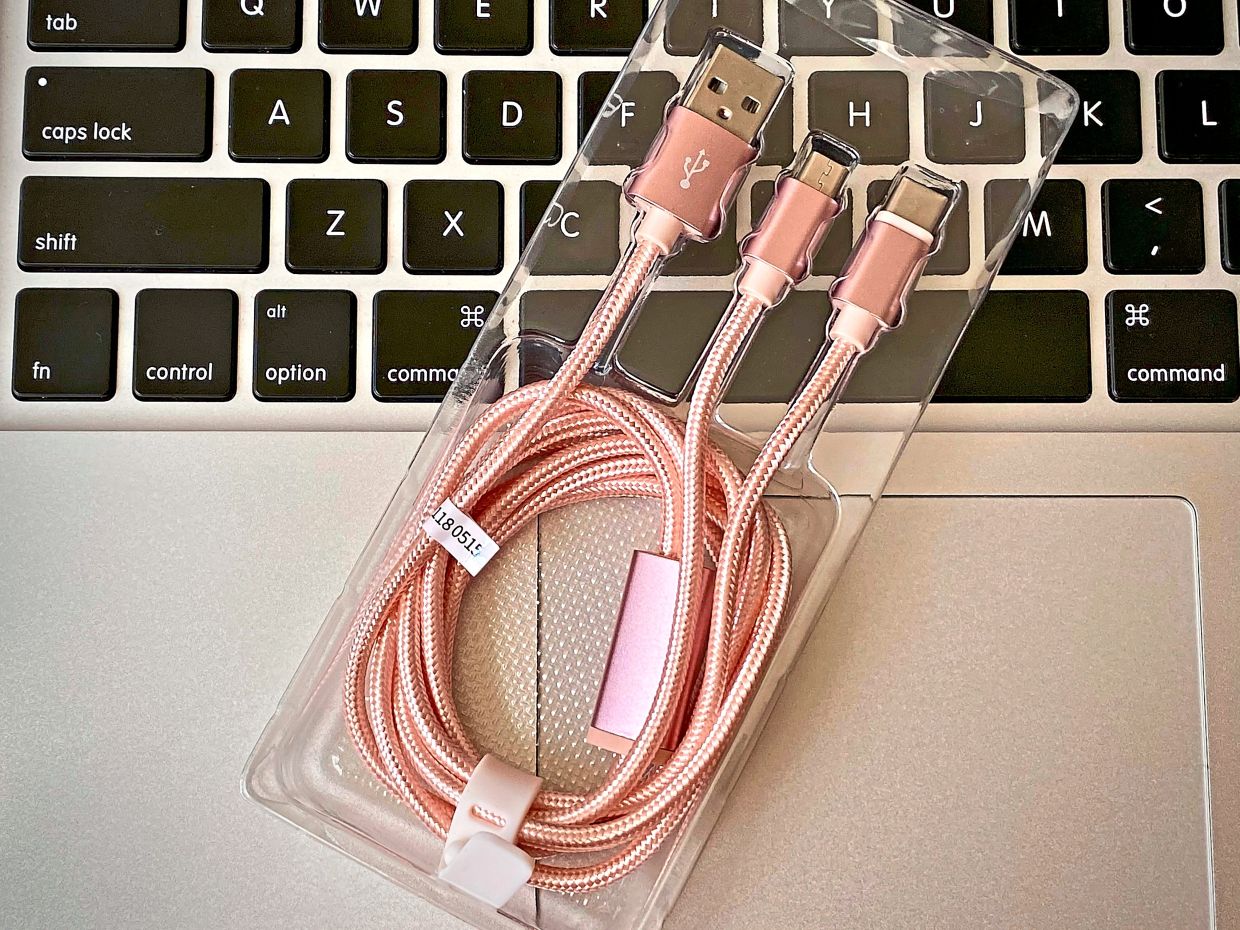
Some 58% of buyers could recall a fast tech item they had used for six months or less, while 39% remembered one they had discarded unused, after a single use or within a month.
While consumers value durability, ultimately the convenience and low price of fast tech frequently win out.
The environmental implications of this cycle appear much less obvious to consumers than the durability trade-off as only 16% simultaneously associate fast tech with both shorter life and greater environmental harm.

“Consumers understand perfectly well that an inexpensive electronic product may not last forever. Much less visible is what happens when those millions of individual purchasing decisions become millions of discarded cables, earbuds, lights, toys and gadgets,” said Bellegarde Scientific Consulting co-founder Dimitri Naczaj in a statement.
When contacted, Dr Zul Ilham Zulkiflee Lubes, director of the Centre for Science and Environment Studies at the Institute of Islamic Understanding Malaysia (Ikim), said fast tech will likely continue to be a top purchase among Malaysians.
“I expect fast tech to remain popular as long as the price is attractive, the product seems convenient with features that they believe could support their wellbeing,” he said.
But for Zul Ilham, the bigger concern is not the low prices of these gadgets, but what happens when they break down, become obsolete or are no longer wanted.
“Problems arise when products are treated as disposable and repairing them is neither practical nor economically attractive,” he said.
Zul Ilham explained that consumers may find it more worthwhile to replace faulty electronic devices than repair them because of high spare-part costs, limited access to repair services and product designs that make repairs difficult.
He described this as “the economics of repair”, where the cost and difficulty of fixing a device can make replacement seem like the more practical option.
Khor believes that Malaysia could learn from the European Union’s right-to-repair rules, which aim to make repairs more accessible and encourage longer product lifespans.
“The European Union’s new right-to-repair rules are a positive step that Malaysia could learn from. Such measures could encourage manufacturers to design products that are easier to repair and dismantle,” she said.
Khor said Zero Waste Malaysia has been running community-led repair hubs to raise awareness and teach people how to repair items, particularly toys and household appliances.

According to statistics from the NGO in August, the initiative repaired 58 items from 70 customers. A summary of repairs included restoring rusted battery terminals, faulty speakers and replacing some parts.
However, the initiative has encountered challenges, including products that are not designed to be easily dismantled and appliances that require specialised screwdrivers to open.
“These design barriers can make repairs more difficult, even when the problem could potentially be fixed,” she said.
According to Sahabat Alam Malaysia (SAM) honorary secretary Mageswari Sangaralingam, consumers in the past were more inclined to repair electrical appliances because they were expensive and viewed as long-term investments.
“Today, shorter product lifespans, aggressive marketing and lifestyle trends drive higher consumption and faster replacement cycles,” said Mageswari, who is also a waste expert at the NGO established in 1977.
She said repairing electronic products had become less common as buying replacements was often cheaper than fixing existing devices.
“Online platforms have further fuelled the trend by encouraging impulse purchases and frequent upgrades, adding to the growing volume of e-waste,” she added.
The measure of waste
According to the Global E-Waste Monitor in 2024, each Malaysian produced an average of 12.2kg of e-waste in 2022, the third highest in Asean and above the global average of 7.8kg.
When asked on how well Malaysians are managing e-waste, Zul Ilham cited a 2025 study by Elgharbawy et al, which surveyed 522 Malaysians and interviewed six experts.
“The study reported positive attitudes towards mobile phone e-waste recycling, alongside moderate levels of awareness, participation and perceived ease of recycling. However, the findings should not be taken as a measure of Malaysia’s national recycling rate,” he added.
He said challenges remained in collection initiatives, treatment capacity and public participation, adding that effective e-waste management also depended on having industries equipped to handle the waste, capable institutions and financially viable operators.

Zul Ilham also said that there are some measures Malaysia could consider to improve e-waste management, including strengthening producer responsibility by requiring companies to contribute towards the collection and recycling of electronic products at the end of their useful lives, “although many industries will hate me for this”, he added.
The WEEE Forum has also called for a similar approach.
“The principle should be straightforward: if you make money selling electrical and electronic products into a country, you should contribute to the cost of collecting and recycling those products when consumers are finished with them,” said Leroy.
In Malaysia, the Natural Resources and Environmental Sustainability Ministry said the planned implementation of the Extended Producer Responsibility (EPR) framework would strengthen producers’ role in making e-waste disposal easier by supporting recycling initiatives.
“Under the EPR framework, producers and relevant stakeholders will play a greater role in developing take-back systems and financing collection networks,” the ministry said, as reported by The Star in March.
The ministry also acknowledged that Malaysia’s growing appetite for affordable technology, rapid device turnover, urbanisation and limited awareness of proper disposal practices were contributing to the rise in e-waste.
Consumer choice
The WEEE Forum is urging consumers to look beyond price when buying fast tech during the holiday season by considering whether they really need a new product, could buy it second-hand, or repair an existing device instead. It also encourages consumers to think about how unwanted electronics can be returned for responsible recycling.
“Anything with a plug, cable, circuit board or battery should be treated as electronic waste at the end of its useful life, regardless of how small or inexpensive it is. It should not go into general household waste or bins,” it said, adding that unwanted fast tech products should be taken to official collection points, retailer take-back locations or dedicated e-waste drop-off sites.

Such information is available on the E-Waste Management in Malaysia website (shorturl.at/JNzzf) by the Environment Department.
Mageswari added that consumers often overlook the environmental and public health impacts of electronic products throughout their lifecycle, from raw material extraction and energy consumption to toxic leakage and micro-plastic pollution, as well as the consequences of manufacturing and disposal.
Think before buying
Zul Ilham wants consumers to think carefully before making a purchase by asking themselves: “Does this product solve a recurring problem? Can something I already own do the same job? How much would it cost to replace the battery or repair the screen? How long will software support be available?”
He said these questions help consumers look beyond the initial price and consider how useful the product will be over time.
“Before replacing an electronic device, consider whether a replacement is necessary and how much useful life the device has left. Where appropriate, seek the advice of an expert for a repair assessment. Sometimes, a faulty component does not necessarily mean the entire device needs to be replaced.
“However, extending a device’s lifespan should not come at the expense of safety or mean overlooking serious security risks,” he said.
If you’re planning to donate a device, he said to make sure that it’s still functional and useful to the intended recipient.
“That’s better than just passing on something that could end up as a disposal burden.
“Before handing it over, back up your important data, sign out of your accounts and perform a factory reset or use the device’s recommended data-erasure process to ensure your personal information is removed,” he said.
As for those looking to invest in their next gadget, he urged consumers to consider how long the product would remain useful, including whether its features would still work if its app, subscription or remote services were discontinued.
Khor encouraged consumers to adopt more sustainable habits: “We hope to build a community that embraces repair and reuse, where people try to fix things when they break instead of immediately buying something new,” she said.