PETALING JAYA: The National Scam Response Centre (NSRC) initiative to develop an artificial intelligence (AI)-powered app for Malaysians to check suspicious phone numbers, bank accounts, or links is a key step towards scam prevention in the country, say experts.
According to National Cyber Security Agency (Nacsa) chief executive Dr Megat Zuhairy Megat Tajuddin, such a tool could provide early warnings before money changes hands and empower safer financial decisions.
"To be effective, the application must be backed by reliable, real-time data and close cross-sector collaboration among enforcement authorities, financial institutions, telecommunications providers, and technology platforms.
"Users must also be reminded that a result indicating no known scam record is not a guarantee of safety," he says.
Megat adds that the app's success should be evaluated based on the amount of financial losses it prevents.
He further says that robust safeguards to minimise and prevent secondary victimisation need to be established. This refers to incidents where innocent individuals are affected or misidentified by anti-scam enforcement measures.
"Nacsa's AI Systems Cyber Security Framework (AISCSF) offers guidance to ensure the application itself remains secure, respects personal data privacy, and integrates continuous monitoring alongside meaningful human oversight.
"When paired with stronger enforcement, rapid response mechanisms, and sustained public awareness, this initiative can significantly bolster public confidence and contribute to a safer digital economy for Malaysia," he says.
Meanwhile, Malaysia Cyber Consumer Association (MCCA) president Siraj Jalil similarly welcomes the app's development and says it is a timely move due to the extent of scams in the country.
"Scammers are now using advanced tactics, such as psychological manipulation, deepfake voice cloning, and dynamic phishing links that change within hours.
"Our current checking tools rely on static databases, which only flag scammers after a victim has already made a police report. If syndicates use fresh mule accounts or new phone numbers, these older systems miss them.
"An AI-powered tool that can analyse patterns and risk levels in real time is urgently needed," he says.
Siraj adds that MCCA hopes that the app shifts consumer protection from being reactive, meaning that action is only taken after a consumer has been scammed, to stopping scams before money leaves an account.
"People often feel uncertain or pressured right before making a transfer or clicking a link. Having an instant risk rating in their pocket will give them immediate clarity, protect their life savings, and provide a critical safety net for vulnerable groups like the elderly who are routinely targeted," he says.
The app's development should not be the end of the story when it comes to protecting consumers, according to Siraj.
He stresses that the burden should not solely be placed on everyday consumers, and calls for shared liability policies so that banks and telcos take on an equal amount of financial responsibility when safeguards fail.
"Furthermore, NSRC’s backend team needs more resources and investigators to act immediately on high-risk alerts, such as freezing funds within minutes.
"No matter how smart the AI is, syndicates will always try to exploit human emotions, so strong technical tools must go hand-in-hand with continuous public awareness," he says.
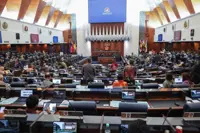
The NSRC-developed app was announced during the 2027 Budget tabling today at Dewan Rakyat by Prime Minister Datuk Seri Anwar Ibrahim.