




Several restaurants in eastern China are using artificial intelligence (AI) robots to cook as many as 100 dishes to cut costs, sparking a heated discussion on social media.
In Hangzhou, Zhejiang province, at least three such eateries have been operating for months, Zhejiang TV reported.
One of them, 24 Jieqi Robot Restaurant in the Xihu district uses eight robots which handle ordering, serving, cleaning and cooking. They have shared 60% of the total workload of kitchen workers, the report said.
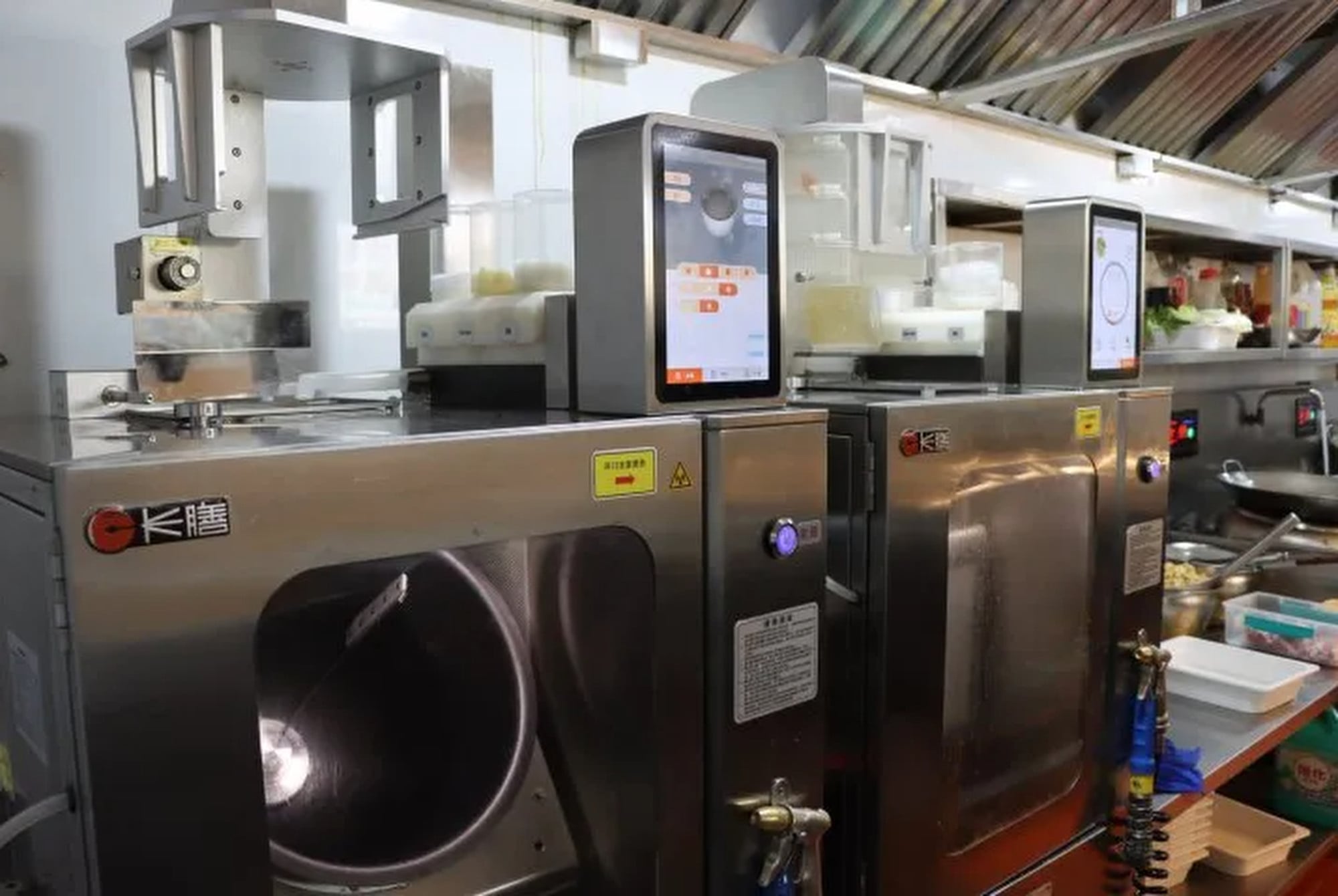
Before customers place orders, the robots perform an “AI analysis” by scanning their faces and tongues and asking them to complete a simple questionnaire.
The robots then create a report about the customer’s lifestyle, emotions and digestion status before recommending seasonal health-focused dishes.
According to the restaurant’s manager Cai Haitang, the robots can cook more than 100 dishes, including Three Cup Chicken, which is stewed chicken with three cups of key condiments, Crab Roe Tofu and Braised Pork Trotters.
Some robots are also good at making Pian Er Chuan, a Hangzhou speciality soup noodle with preserved vegetables, sliced pork and bamboo shoots.
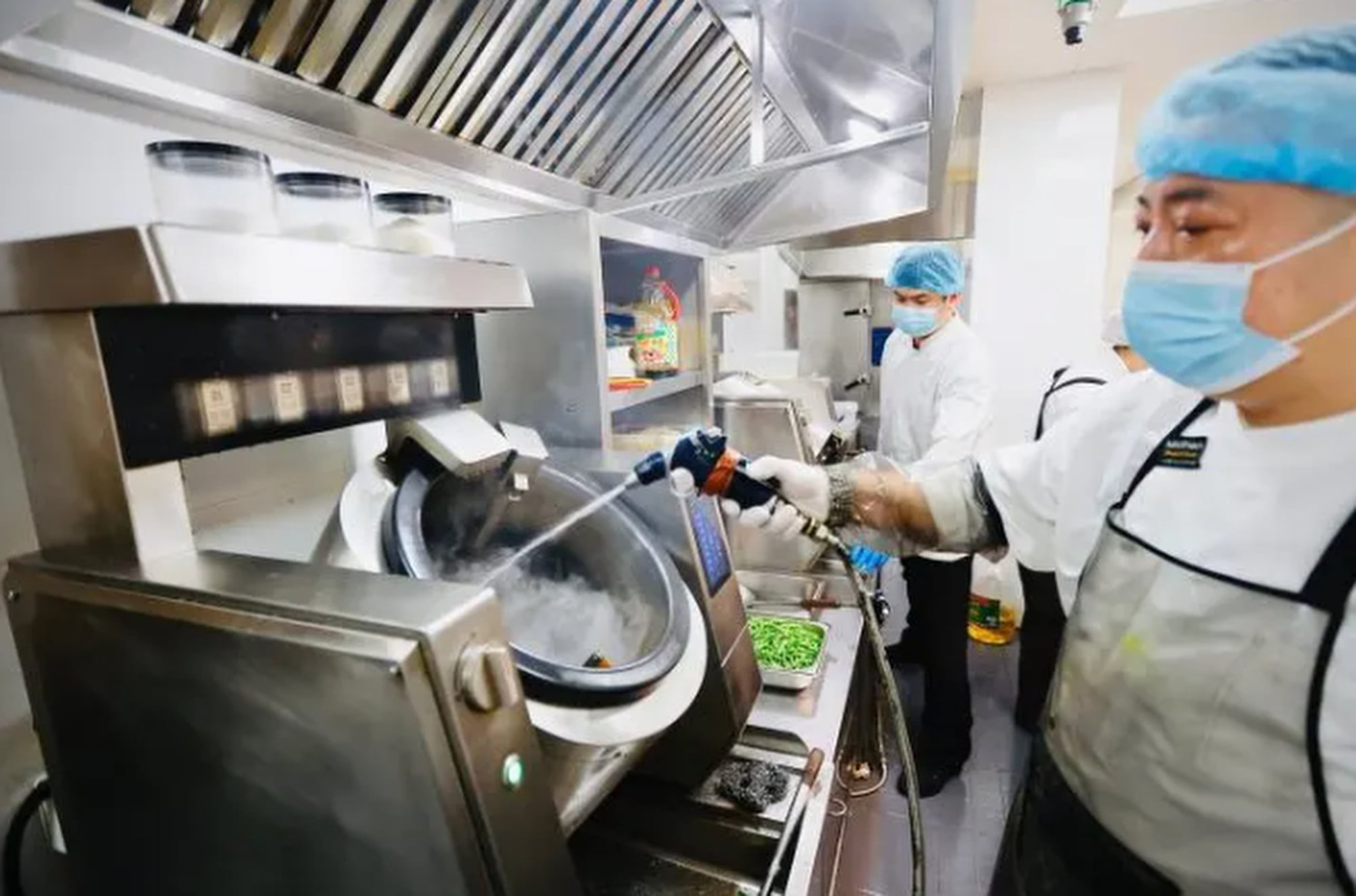
Zhu Qi, an engineer who develops the cooking robots, said they store data on stove fire settings from the work of human chefs and mimic the chefs’ movements for stir-frying and spinning the pot.
As a result, robot chefs can standardise the quality of the cuisines they produce, said Zhu.
Deng Xuhui, a chef at Madayunhe Community Canteen in the Gongshu District, said in the past he needed to cook dozens of dishes during peak hours every day.
But since they began using the robots, his job mainly involves manipulating two of the machines.
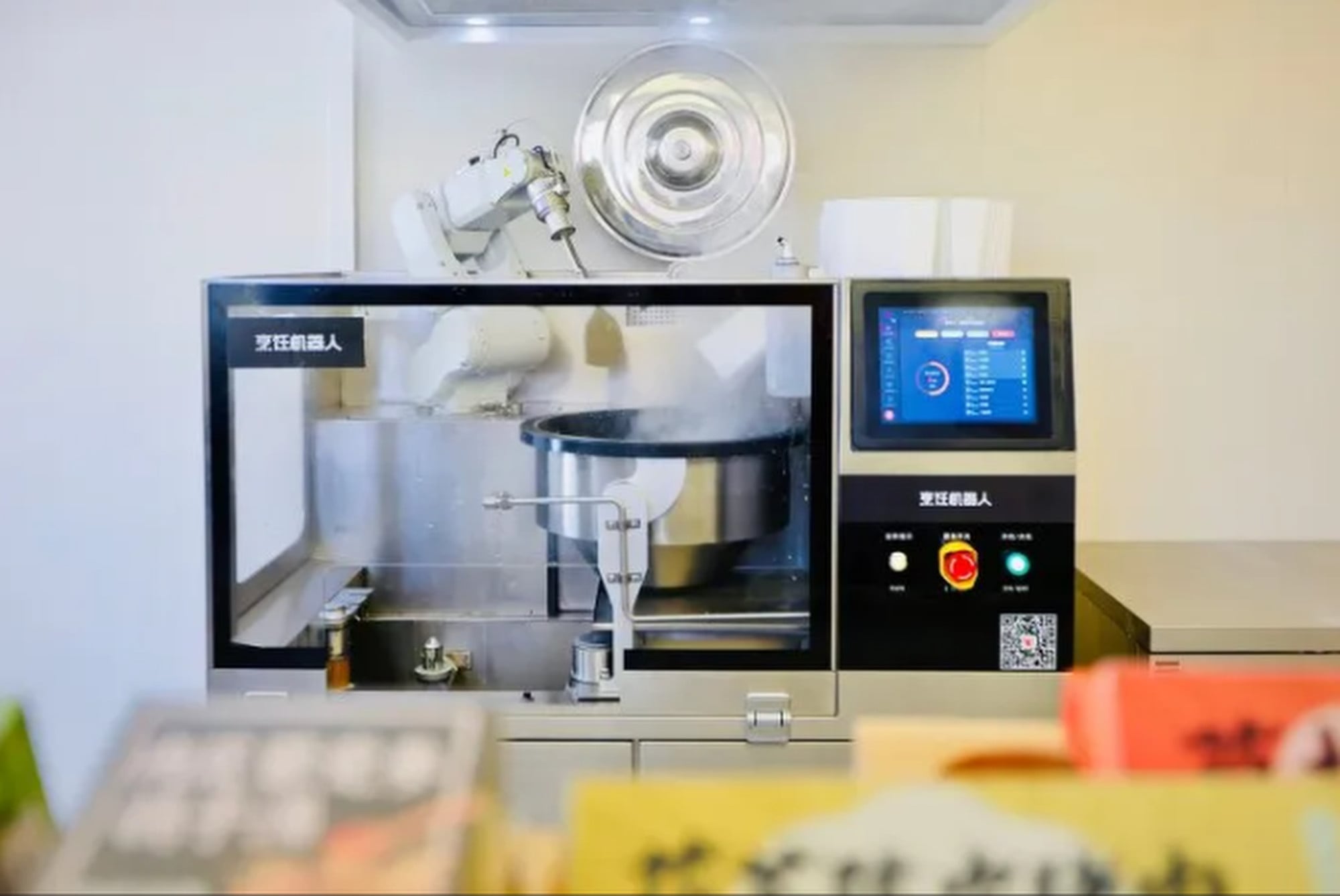
“It saves half of my energy. So I can focus on checking the raw materials’ quality, inventing new cuisine and managing the kitchen,” Deng told the media.
A resident in his 70s and his wife who often visit this canteen were surprised that their meals are cooked by robots.
“The dishes taste no different from that prepared by humans. They are not salty or oily. It is just what we senior citizens like,” said the man, surnamed Yu.
He added that the food in the restaurant has become cheaper following the application of robots.
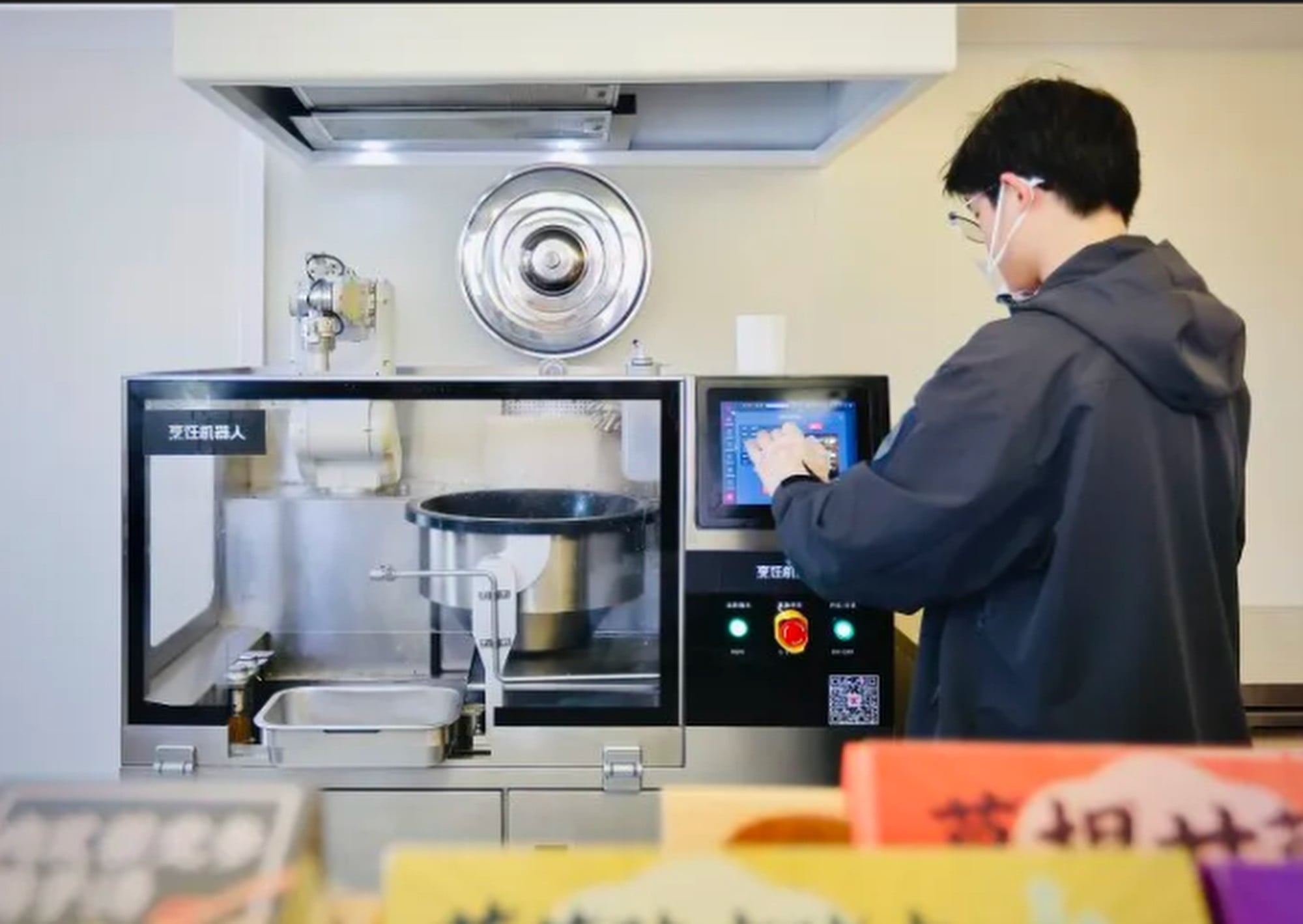
In Haishu Community Canteen of Yuhang District which uses two robots, customers said they usually spent between 18 and 20 yuan (RM10 and RM11/US$2.6 and US$3) per meal, but that had dipped to between 15 and 18 yuan (RM8.60 and RM10).
A 2026 stir-fry robot industry white paper issued by the catering industry market researcher NCBD showed that the stir-fry robot sector was estimated to be worth 3.8bil yuan (RM2.20bil or US$557mil) last year.
The market size is expected to rise to 12.5bil yuan (RM7.23bil) by 2030, the company said.
Such robots are generally used to cook fast food, group meals and spicy Hunan cuisine and Sichuan cuisine.
They are rarely used to cook Japanese cuisine or seafood, according to the white paper.
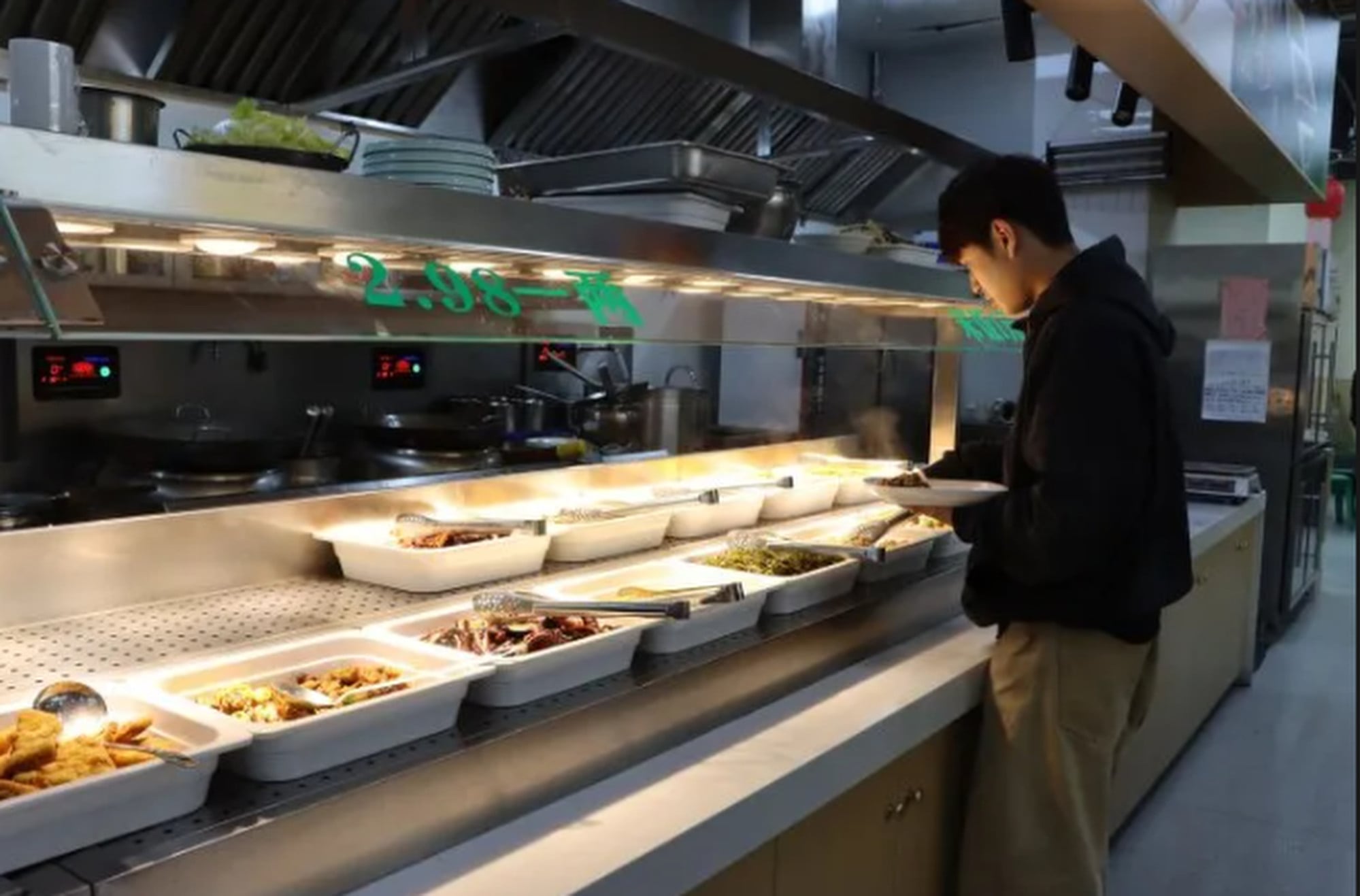
The Hangzhou restaurants are not the only ones in China to use the technology.
Last year, a technical school in Shanghai upgraded its canteen with robots taking up most of the kitchen workload.
Students said it saved their time in queuing because the robot chefs work more effectively.
Besides cooking dishes, robots can also make coffee.
A self-service small cafe appeared on the bustling Nanjing Road in Shanghai in March, with a robot preparing drinks for customers.
“Cool. So I do not need to learn cooking for my family in future,” said one Internet user.
But many people poured cold water on the phenomenon.
“It is sad that high technology is grabbing jobs from grass-roots workers,” one online observer said.
“Why bother to have babies? Human will have nothing to do in the future,” said another. – South China Morning Post


