Eight-year-old Aidan was terrified at the prospect of having to undergo an operation at the Hong Kong Children’s Hospital in Kowloon Bay in 2024.
But his fears eased once he put on a virtual reality (VR) headset.
Guided by a panda character, the VR programme gave him knowledge of what to expect. It allowed him to walk down the corridor and explore the operating theatre, pick the colours of medical staff’s gowns and choose how he wanted to be anaesthetised – down to the flavour of sleep-inducing gas.
The fun continued as a “giggle doctor”, a trained entertainer, performed magic tricks before Aidan “drove” himself to surgery in a miniature electric car of his choice.
“The whole thing is fun! There is no need to be scared of surgery at all,” he said after the experience. “When I woke up, I thought: ‘Was that all?’”
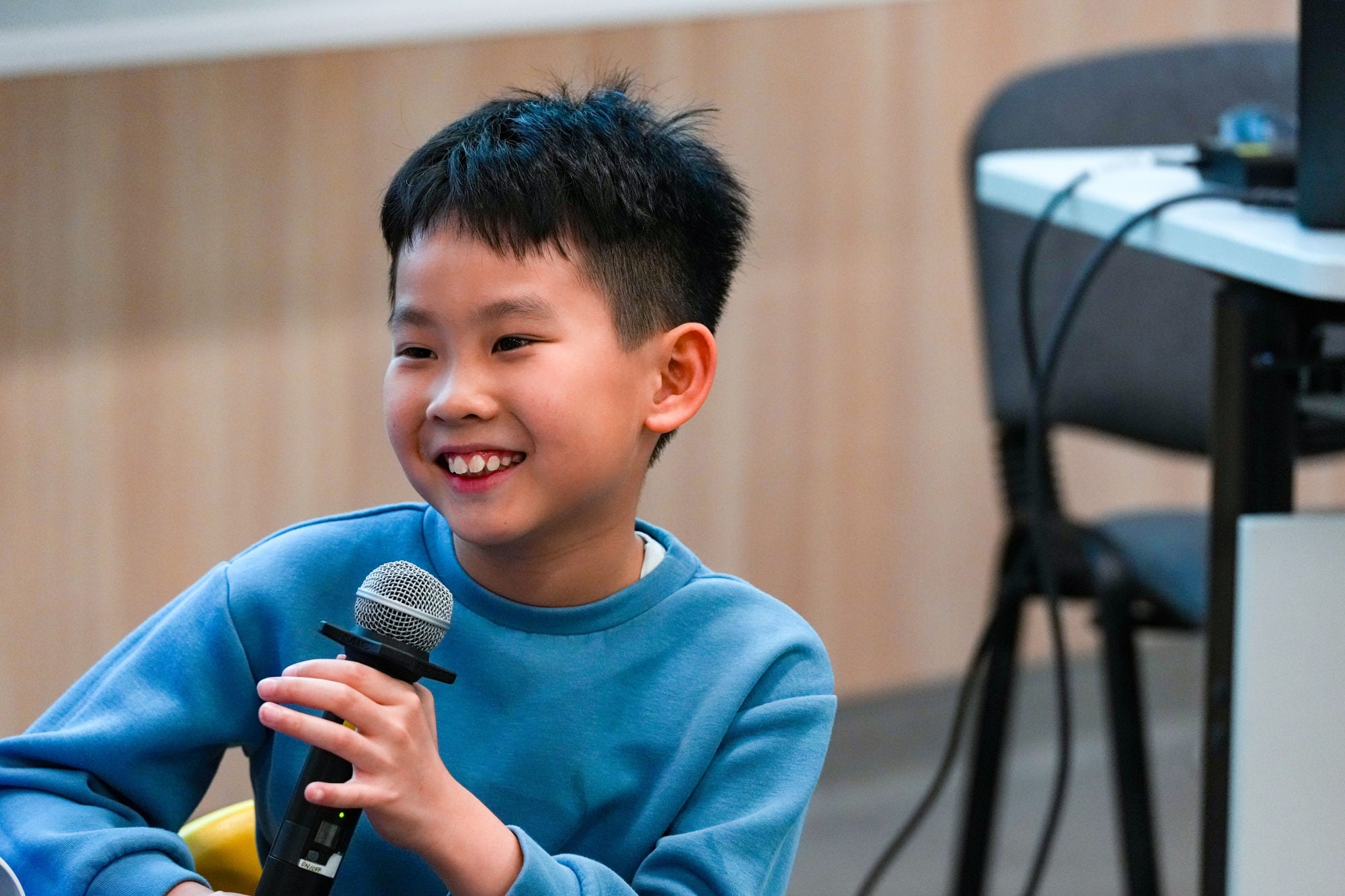
As his mother recalled, Aidan was having so much fun that he did not even look back to say goodbye when entering the room in his sports car.
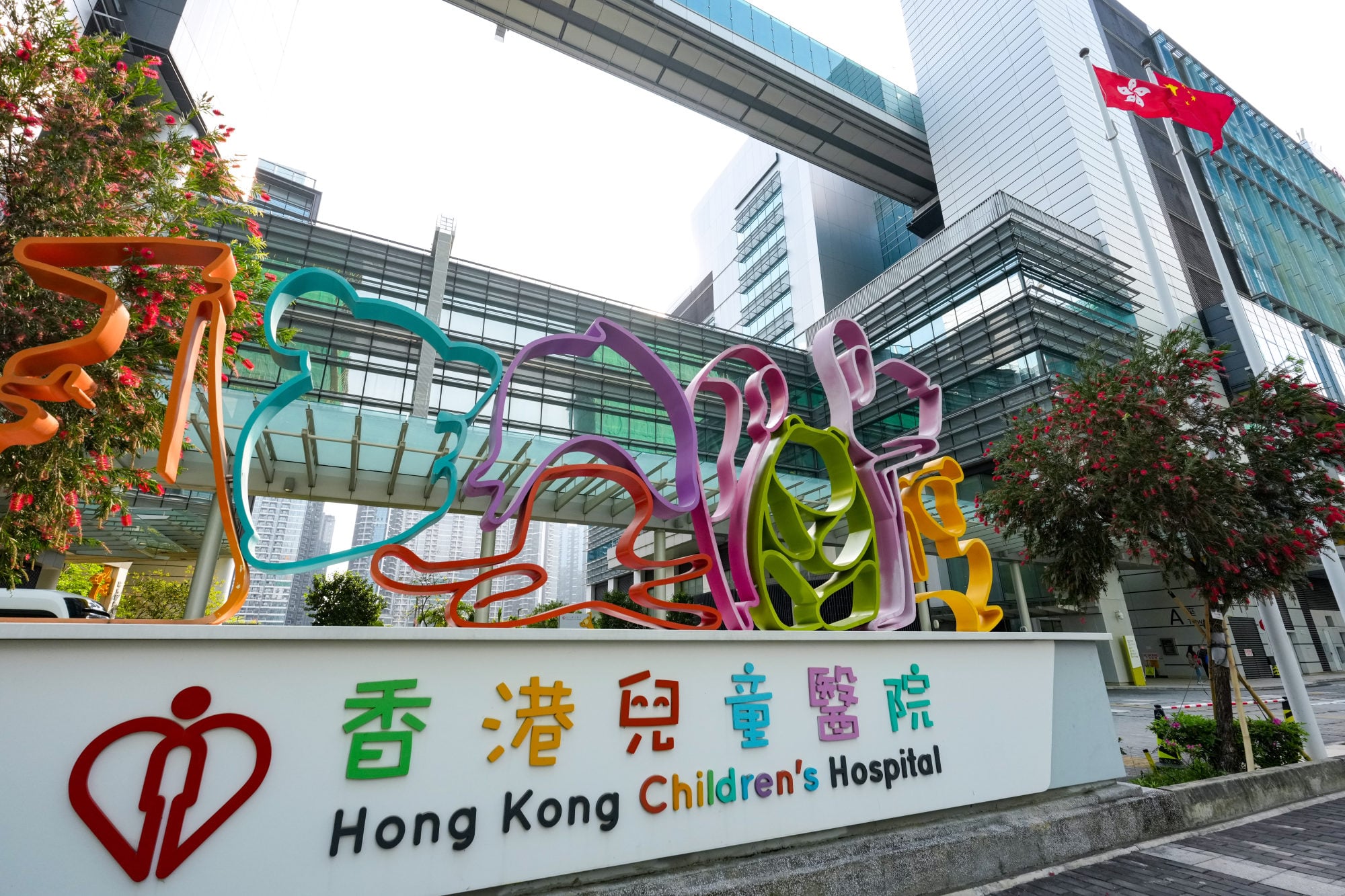
The innovation was developed by Hong Kong Children’s Hospital in recent years to help young patients manage their stress and anxiety before an operation.
Apart from helping them stay calm, the hospital’s aim was to reduce traumatic memories and maintain children’s trust in medical staff by making operations a positive experience.
Dr Vansie Kwok, deputy chief of service of the hospital’s department of anaesthesiology and perioperative medicine, said the VR game was designed to alleviate patients’ anxiety by addressing the uncertainty and unfamiliarity they felt before an operation.
“Children are often scared, but they are unable to express clearly what they are scared of ... sometimes, they are simply scared of fear, but not pain,” she explained.
“Based on previous studies, we found that the fear came from the unfamiliarity surrounding the environment, what the doctors would do to their bodies and what would happen after they woke up, whether they would be in pain, among other things.”
Kwok warned that if a child underwent an operation in a state of anxiety, the progress of their recovery could be affected and they might experience post-anaesthesia confusion and delirium.
Some might even have nightmares, become excessively clingy to parents or develop a fear of medical staff, she said.
While adults might feel the same anxiety, children did not have the capacity to handle such stress, which was why the hospital implemented a series of measures to assure them before the procedure, Kwok explained.
Working with Polytechnic University and City University, as well as local NGO Playright, the hospital developed a prototype of the VR tour in 2023 and completed a clinical study a year later to assess its effectiveness.
The study, which covered 70 children and parents, found that children who used the VR tool were 20 per cent less anxious than those who did not. The tool was most effective among children aged five to eight.
In December 2025, the hospital started offering the VR tour as a regular service, with each session lasting for 15 minutes.
Kwok said most children would go on the VR tour before the operation, unless they were too young or physically unable to wear the headset, but they could still be seen by “giggle doctors” and hospital play specialists to ease their anxieties.
Mok Yi-tan, a department operations manager, recounted cases in which parents did not properly brief their child about an operation, leaving them feeling deceived or betrayed afterwards. Such children lost trust in their parents and medical staff and struggled during post-operative care, she said.
“The long-term impact of traumatic memory from surgery should not be underestimated, because that could impact the children’s acceptance of surgery when they grow up,” she said.
The “driving” experience was meant to give them a sense of agency instead of staring helplessly at the ceiling as they were wheeled into the operating room, she said.
The hospital also worked with Playright to bring in play specialists, who would explain medical procedures with toys and help children express their anxieties and reduce stress.
On the day of the procedure, the “giggle doctor” from another NGO, Theodora Foundation, would accompany the children to the operating theatre while performing magic tricks on the way to amuse them, Mok said.
The hospital also offered anaesthetic gases in different flavours, such as chocolate and strawberry.
Mok said the hospital would allow parents to enter the operating theatre so the patient would feel more secure, although such reassurance is deemed not necessary for very young or older children.
But if the surgery was complicated, parents would not be allowed entry to prevent their anxiety from being transferred onto their children, she explained. – South China Morning Post