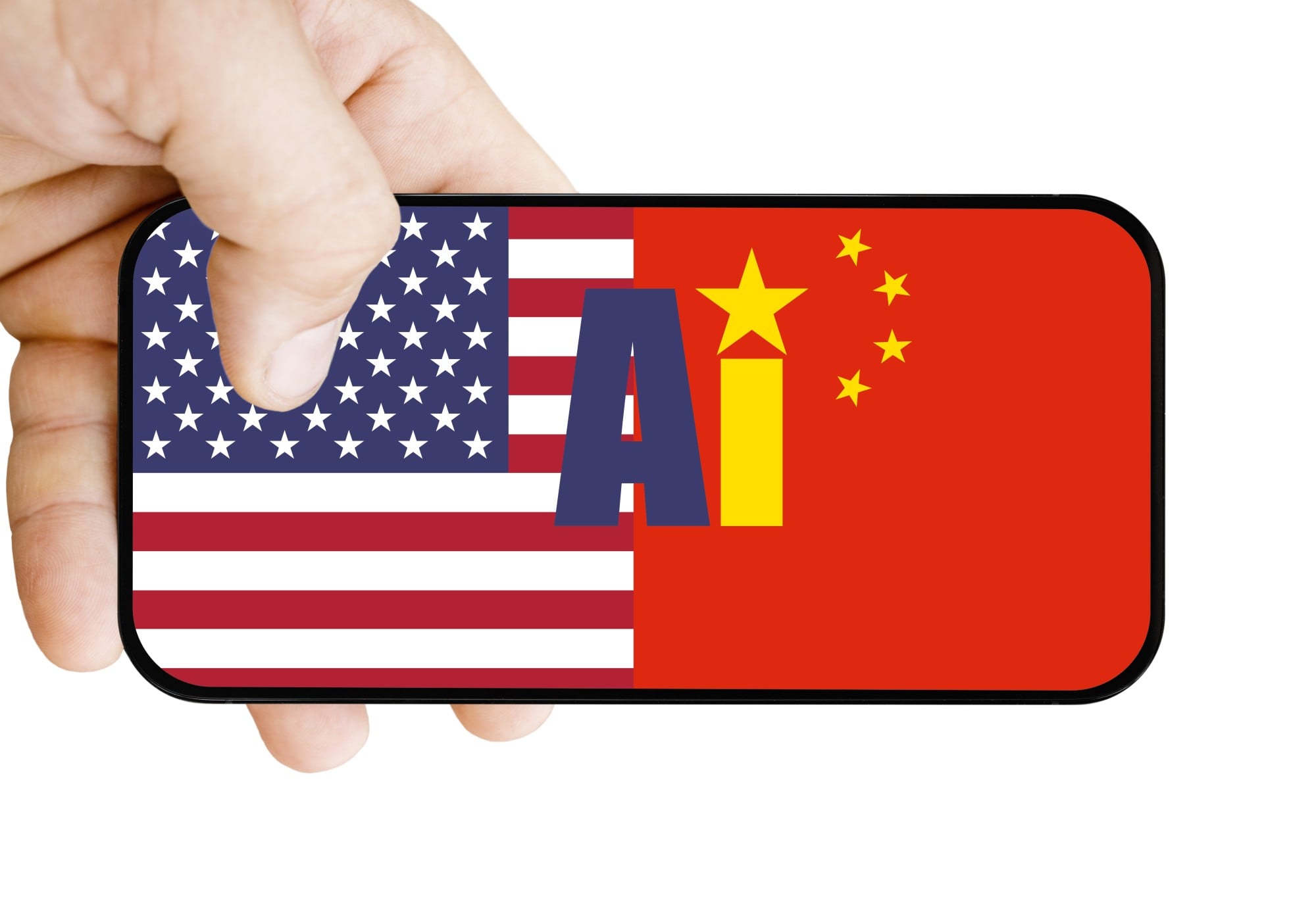
The race between the US and China to dominate the world’s artificial intelligence industry has become “complex and challenging to forecast”, according to ChatGPT creator OpenAI.
In a blog post this week, published ahead of the first anniversary of DeepSeek’s release of breakthrough reasoning model R1 on January 20, OpenAI said another “seismic shock” from China could be on the cards, as anticipation heightened about a potential new major release from the Hangzhou-based start-up around the Lunar New Year.
“The US continues to lead on model capabilities, and US models also have maintained a meaningful lead in science and more complex reasoning,” said the post written by OpenAI’s intelligence and investigations team.
“What has changed more decisively is depth and deployability: China now has a broad field of near-frontier models, many of them open-weight and aggressively priced, making them easier to deploy across industries and government systems.”
That assessment reflected how the export of home-grown technologies formed a major part of Beijing’s AI strategy.
According to OpenAI’s post, open-sourcing AI models “in weeks, rather than months” helped Chinese tech firms, including Alibaba Cloud, drive global adoption and made these products the default systems for many local and overseas developers.
Alibaba Cloud is the AI and cloud computing services unit of Alibaba Group Holding, owner of the South China Morning Post.
Chinese companies were also exporting “sovereign AI” stacks to markets across Southeast Asia and the Middle East. Those included domestic foundational models, cloud infrastructure and hardware, the post said.
In a report on January 8, Microsoft said DeepSeek reshaped the global AI landscape last year by gaining significant traction in markets underserved by US providers.
The report on global AI adoption showed that DeepSeek’s free and permissively licensed AI models saw the strongest adoption in countries where access to leading US models was barred. These included Russia, Iran, Cuba and Belarus, as well as less affluent markets such as those in Africa.
“[DeepSeek’s] absence of subscription fees or payment requirements lowered the barrier for millions of users, especially in price‑sensitive regions,” the Microsoft report said.
“This dynamic ... highlights how open-source AI can function as a geopolitical instrument, extending Chinese influence in areas where Western platforms cannot easily operate.”
China’s open-source AI models accounted for nearly 30% of total global use of the technology on third-party AI model aggregator OpenRouter at their peak in 2025, from a low base of 1.2% in late 2024, according to an OpenRouter study published last month.
Still, one of the key obstacles that held back China’s AI efforts was its relative lack of computing resources, according to OpenAI. This issue was raised at a major industry event on January 10 in Beijing, where leading Chinese AI scientists called for breakthroughs in the nation’s computing infrastructure to keep up with the US. – South China Morning Post