Last year marked the first time that Google officially offered its Pixel smartphones for sale in Malaysia with the Pixel 9 and Pixel 9 Pro XL. Now we've seen the launch of the Pixel 9a, and it's a doozy of a release.
The very first thing that stood out in my experience with the Pixel 9a was how much it looked like an iPhone.
To my eye, it was nearly identical to one of Apple's recent releases at first glance, barring the different style of selfie camera, with the Pixel 9a opting for a hole-punch design rather than a wider notch or pill-shaped "dynamic Island".
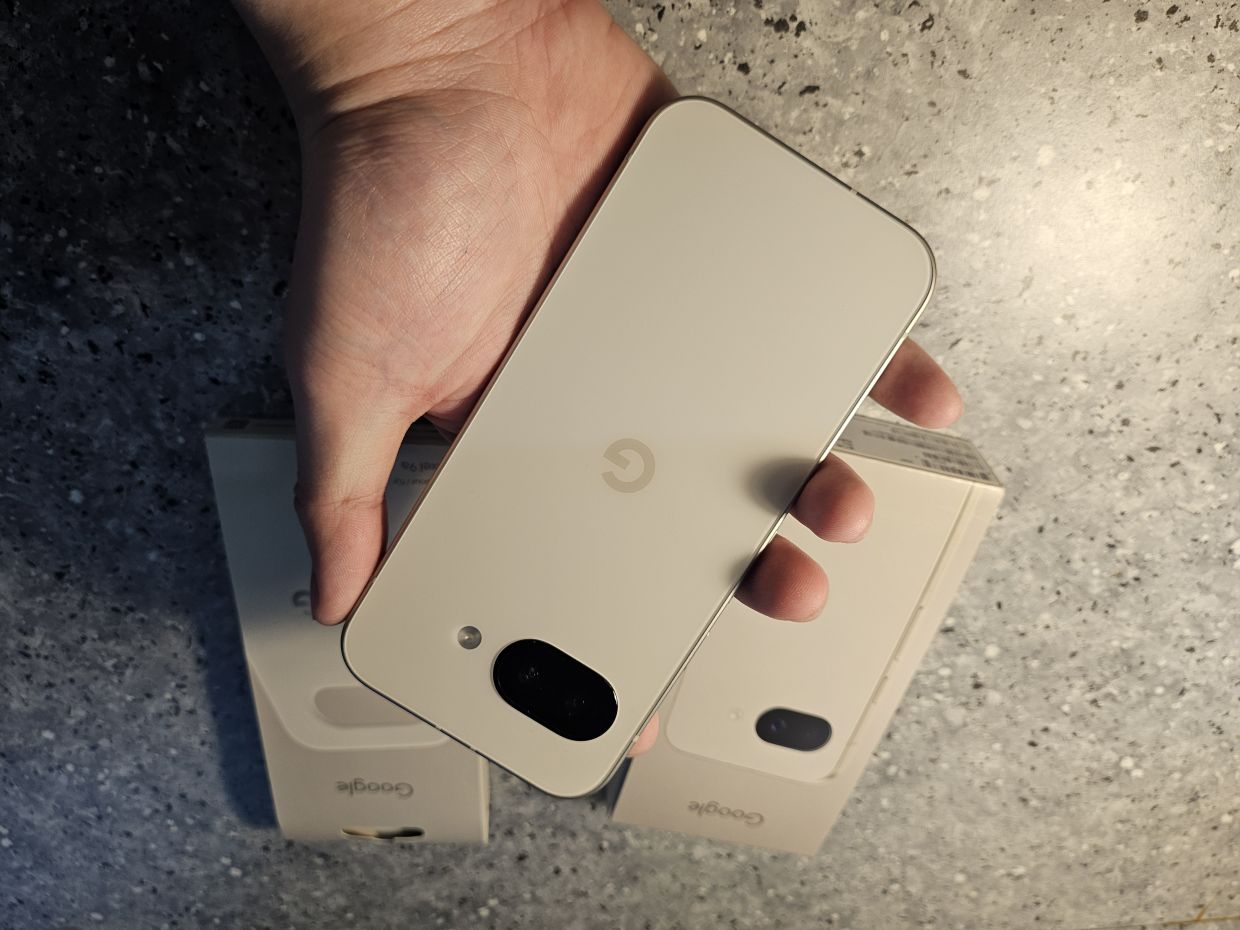
It has also eschewed the massive camera bump usually associated with Pixel devices, giving it a considerably flatter profile than its big brother, the Pixel 9, and marking a shift in design language for Google's family of smartphones.
The absence of a camera bump now allows it to lie flat on a table without a case, something I hope is kept on future Pixel releases, since I personally prefer going caseless, despite the extra hazards that entails.
Capable contender
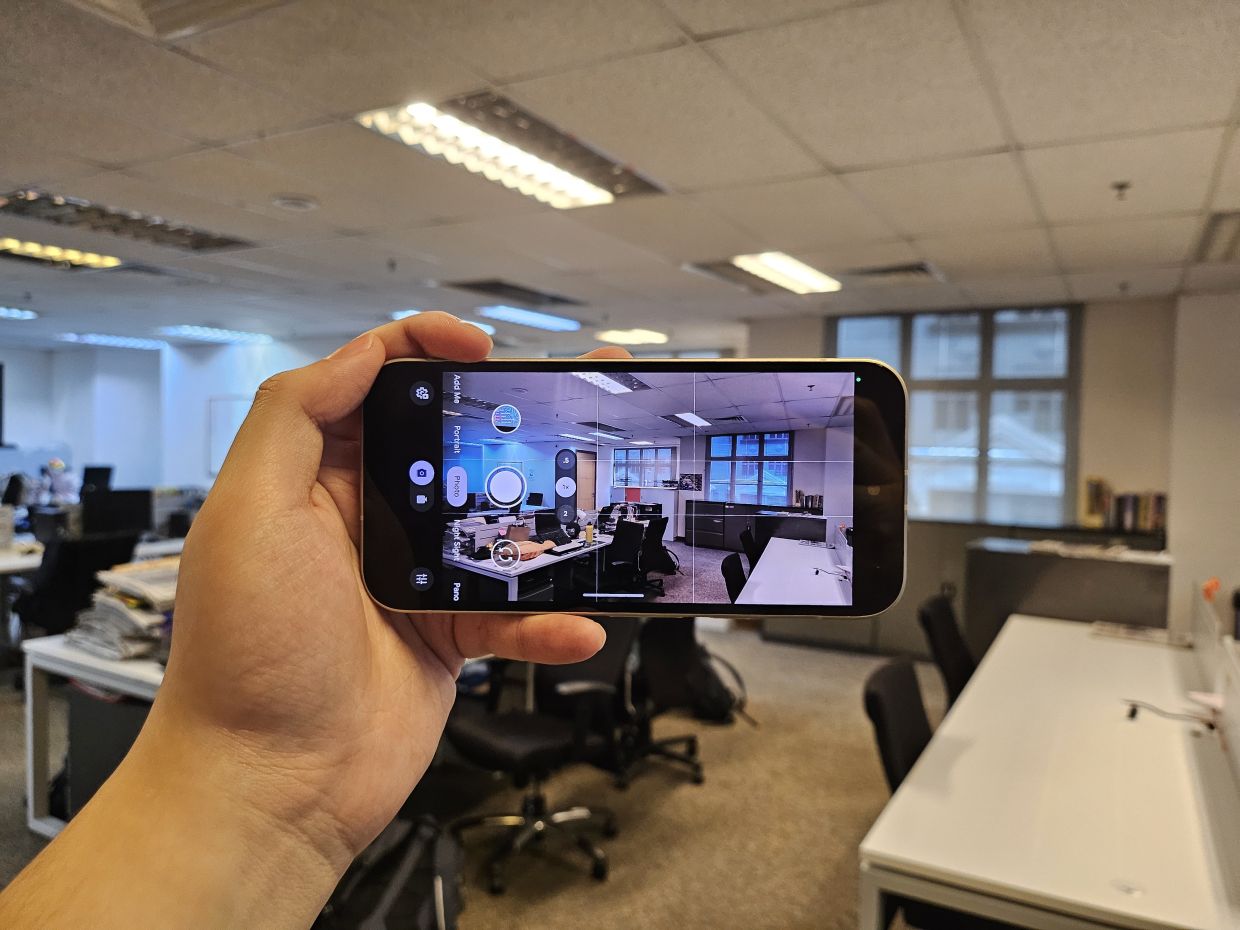
Speaking of the camera, I managed to put the Pixel 9a through a good variety of scenarios to test its 48-megapixel main shooter.
This included a range of events, food shots, and even a concert, with it proving to be quite a capable device and managing some decent stage photos and videos despite challenging conditions like messy lighting, crowd movement, and distance from the stage.
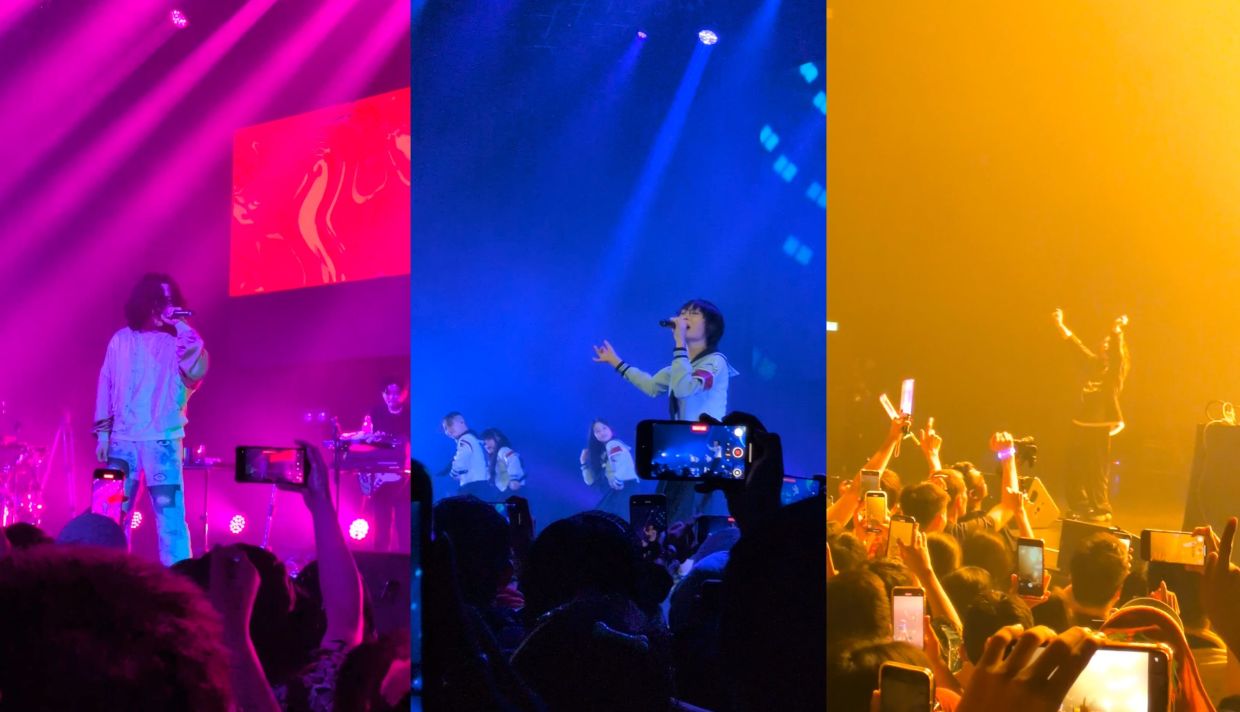
I also liked the clarity offered by the Pixel 9a’s 2x zoom. While it doesn’t quite match the fidelity of modern flagships like its older sibling, the Pixel 9 Pro with its 5x optical zoom, I wouldn’t expect it to, especially with its RM2,699 price tag.
The camera app was responsive and got shots into focus fast, which matters a lot when capturing specific moments during concerts.
It's also nice to have the artificial intelligence (AI)-powered image eraser tool to quickly spruce up a photo by removing people in the background or objects.

Another perk of the Pixel 9a is its rock-solid battery life, with a 5,100mAh capacity battery, which usually has no issue lasting me throughout the day on a full charge.
Googe claims that the device has a 30-hour battery life, and in my experience, that checks out. By the time I'm plugging it in before bed, slightly after midnight, it's usually around 60% at the very lowest.
This is with some social media browsing and video watching, at least 50 minutes each day of using Waze to get around town, note-taking, and general Internet browsing.
Google's other AI features also make a return with the 9a, including Best Take, which can create the best version of a group photo based on a selection of shots, and Add Me, which lets you stitch shots together to let the person behind the camera appear in the photo.
This was my first time experiencing a neat feature long enjoyed by Pixel fans: "Now Playing", which essentially works like a built-in Shazam. In my experience, it works best with mainstream pop tracks that typically get more radio play, so it can be rather hit or miss at times.
I have also had no complaints about the 6.3in, 120Hz-capable OLED display during my time with the device, with it having been adequately bright in most scenarios, and running buttery smooth on Google's Tensor G4 processor.
Minor nitpicks
The screen does, however, carry the caveat of having noticeably thicker bezels than you would expect from a modern device, which might bother some.
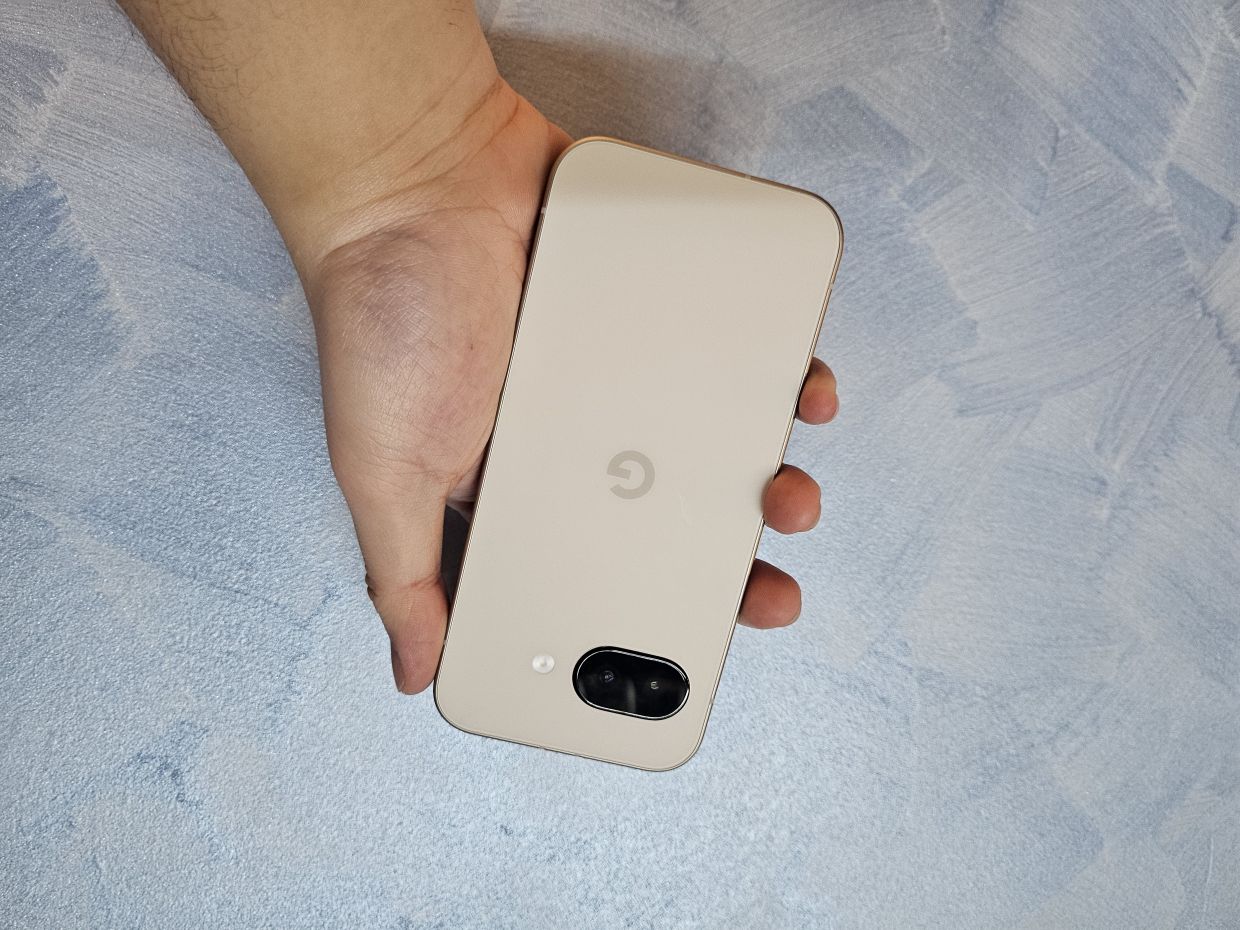
Another thing that might not sit so well with some buyers is the Pixel 9a's plastic back, despite its relatively premium-feeling texture. This is especially the case since it still sits well above the entry and lower-tier midrange device pricing.
However, this shouldn't be an issue for those who opt to pop on a case. Google does say that the device is made with recycled materials, so this might be a plus point for the more eco-conscious among us.
I also ran into a slight software issue early on during my time with the device while replying to an Instagram message. The device froze right after my on-screen keyboard came up and got stuck on the lock screen.

It took about 15 minutes before the phone unlocked and became usable again. Even then, the selfie camera’s indicator light, normally lit during facial recognition unlocks, remained stuck on until I did a full restart.
As far as I can tell, it seems to have been a one-time thing and hasn't occurred since, so it was likely just an issue that was fixed in a pre-launch update.
Solid package
All in all, if you're in the market for a remarkably solid and competent smartphone, the Pixel 9a should definitely be on your radar.
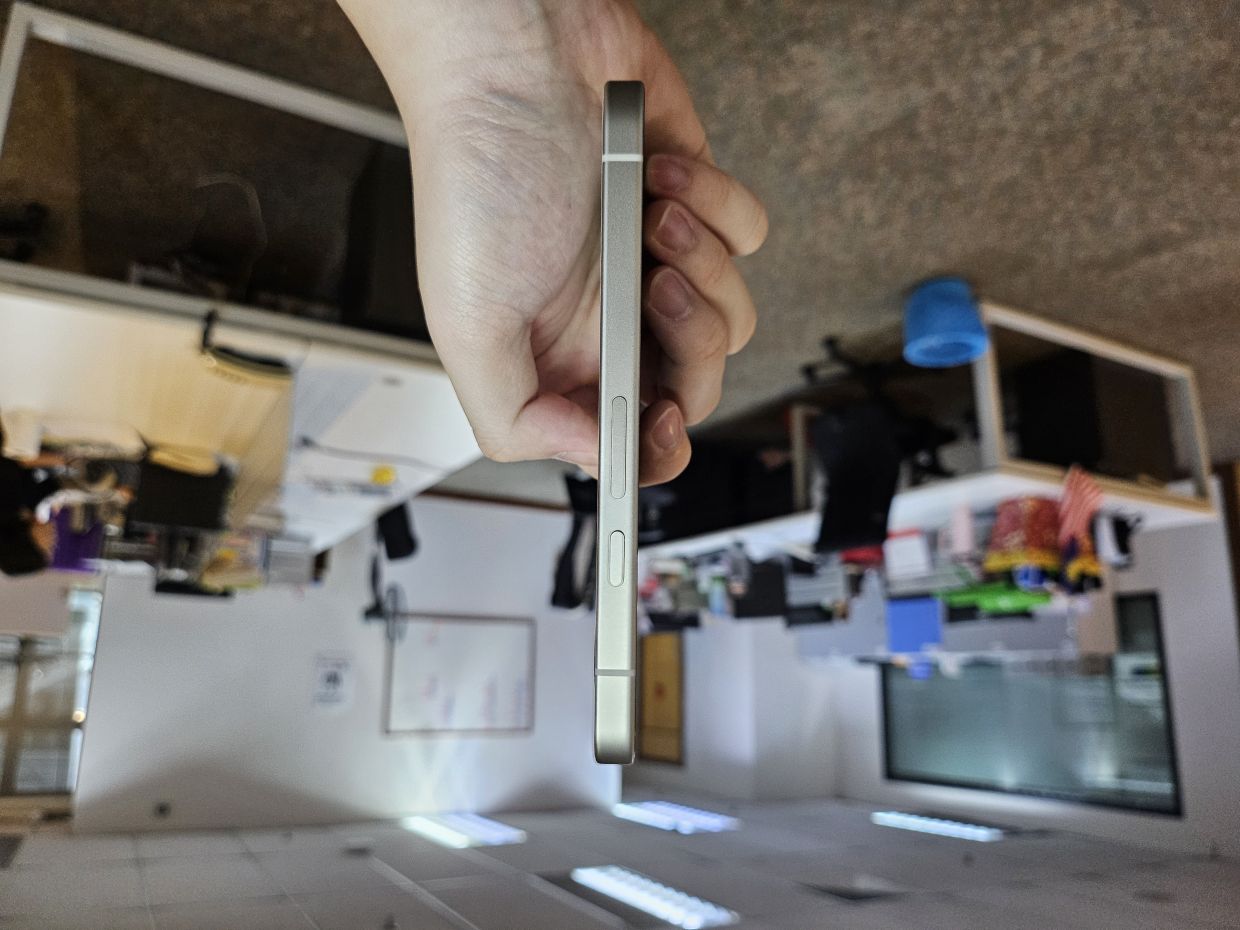
This is especially for those looking to step up from an entry-level smartphone, an older midrange device, or an ageing flagship.
Plus, Google's promise of seven years of operating system support sweetens the deal a fair bit and makes for a very compelling offer for a smartphone that can match most flagships in day-to-day use, only being outdone in certain areas like the camera.