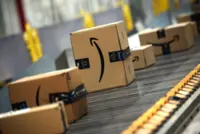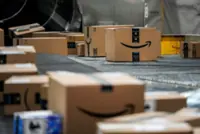
Packages passed down a conveyor belt before receiving a shipping label at an Amazon facility in Shakopee, Minnesota. Amazon, which says its deliveries generally emit less carbon than physical shopping trips for the same set of items, is working behind the scenes to make its operations more efficient without customers knowing or having to change their behaviour. — Minneapolis Star Tribune/TNS
A few years ago, Amazon.com Inc’s quick delivery team debated doing something radical for the e-commerce giant: asking shoppers to consider the environment.
The team building Amazon’s Prime Now same-day delivery service knew that the quickest delivery options tended to be the worst for the planet. A guaranteed one-hour delivery window sometimes meant sending couriers in mostly empty vehicles darting to far-flung neighbourhoods, all the while emitting roughly the same greenhouse gas emissions as a fully loaded truck or van. Someone on the team proposed showing customers a "Green” shopping delivery option, a slightly slower delivery speed designed to give Amazon more time to cluster orders together and send out densely packed vehicles, saving on fuel, driver salaries and carbon emissions.
Already a subscriber? Log in
The Star Festive Promo: Get 35% OFF Digital Access
Cancel anytime. Ad-free. Unlimited access with perks.