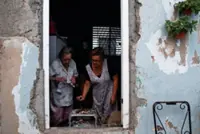
HAVANA: After a tornado slammed Havana in late January, Mijail Ramirez complained on Twitter that authorities were threatening to evict him from his damaged home. A week later he said the government had changed its mind and would help him rebuild the house.
Jorge Luis Leon used the official Twitter account of a Cuban vice president to request that hospital waiting rooms have seating for family members, while a group of young people launched Sube, a ride-hailing app for the aging American sedans that ply the streets of Havana.
Already a subscriber? Log in
Play, subscribe and stand a chance to win prizes worth over RM39,000! T&C applies.
Cancel anytime. Ad-free. Unlimited access with perks.