PETALING JAYA: Malaysia may be making strides in promoting inclusive sports but one glaring hurdle remains – reaching the people who need it most.
Despite global estimates that at least 10% of the population lives with some form of disability, fewer than 5% of Malaysians are officially registered as Persons with Disabilities (PwD).
And that data gap is proving to be a major roadblock.
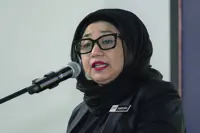
National Youth and Sports Department director-general Azura Abidin spotlighted this issue during the Asean PwD in Sports Conference in Putrajaya last month, which was the first regional initiative dedicated to advancing equal access to sports for PwD.
“The biggest challenge is finding them,” Azura admitted.
“Many PwD are unaware of the opportunities available, simply because they’re not registered or don’t see themselves as part of the movement.”
The low registration rate has not only hindered outreach but also limited the department’s ability to plan and implement more targeted, inclusive sporting programmes.
Azura pointed out that parental mindset plays a pivotal role. Many parents of children with disabilities tend to be overprotective, opting to shield them from sports due to fears over physical and emotional limitations.
“We need to change that perception,” said Azura.
“With the right awareness, we can help parents understand that sports can be empowering and not risky for their children.”
The hope now is that with better advocacy and improved outreach, more PwD will be given the chance to play, compete, and thrive and not on the sidelines, but at the heart of Malaysia’s sporting future.
Azura said one of the key initiatives has been the introduction of the PwD Sports League (LISOKU), which features sports such as sitting volleyball, tenpin bowling, and futsal – open to participants regardless of their disability classification.
However, one of the ongoing challenges is the fragmented data collection on PwD, which is currently spread across multiple agencies including the Education Ministry and welfare departments – each maintaining different records and figures.
As a result, the department relies heavily on community outreach, advocacy, and collaboration with NGOs and state-level agencies to locate and engage potential participants.
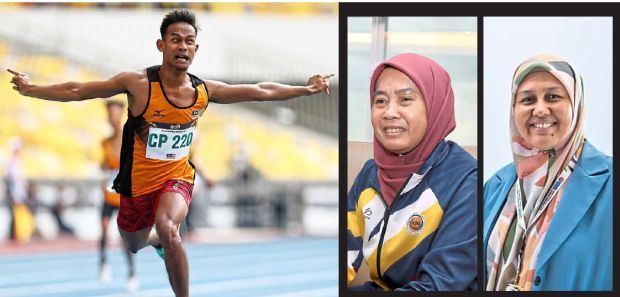
Echoing this concern, the department’s Director of the Division of Disability Sports Development, Siti Mariam Ahmad Tobias, emphasised how the lack of registration continues to hamper effective outreach.
“The biggest challenge we face isn’t the lack of programmes or infrastructure but it’s that we simply don’t know where many of these individuals are.”
Without accurate data, we struggle to reach and include them, and to justify adequate budgets for their development,” said Mariam, a former national javelin thrower.
She added that programmes such as iTalent, which helped uncover elite athletes like national powerlifter Bonnie Bunyau Gustin and Paralympian Mohd Ridzuan Puzi, have played a crucial role in shifting public perception around PwD sports.
Looking ahead, Azura announced that beginning next year, there would be a structural change, with the responsibility for managing para-athletes’ training and development shifting from the department to state-level sports councils.
“This is a positive step forward. It will allow our grassroots programmes to connect more seamlessly with the high-performance system.
“The more support we provide at the local level, the more lives we can impact,” added Azura.
Already a subscriber? Log in
Get 20% OFF The Star Digital Access
Cancel anytime. Ad-free. Unlimited access with perks.