FLOOD after flood, many of the same places go under. And each time, the familiar response follows: warnings are issued, roads are closed, rescue teams are deployed and the damage is assessed. This is our flood management system.
Behind the routine are households clearing mud from their homes and motorists worrying about the cost of repairing their flood-damaged vehicles.
In my earlier letter, “When rain is not the real problem” (The Star, Oct 1; https://tinyurl.com/59hajr53), I argued that public systems should be judged by their reliability: whether they perform the function for which they exist.
A flood management system has two functions. Responding is one. The other is to prevent flooding before the rain falls. Response saves lives and is necessary. But a system that only responds is reliable at half of its task.
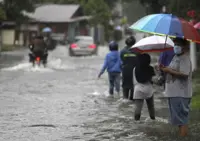
The floods across the Klang Valley on Nov 2 (pic) raise the next question: How do we know that prevention is working?
Flooding is not new, and neither is heavy rain. The intensity, timing and location of rainfall cannot always be predicted, but where the water goes often can. Many of the same roads and neighbourhoods flood again and again, often where the same drains and rivers overflow.
A flood that happens once may be a surprise. One that returns to the same place is a pattern that must be analysed for effective risk management.
The Netherlands shows what learning from floods looks like. After the catastrophic flood in 1953, it built the Delta Works to prevent a repeat. In the 1990s, after near-disasters on its rivers, projects to widen the floodplains involved were launched.
Malaysia’s conditions differ, and much of our flooding comes from intense rain overwhelming urban drainage. But the principle is the same: prevent what can be prevented before the rain falls.
For us, that means asking hard questions about how we plan and develop our towns. Which areas flood repeatedly and why? Are drainage systems adequate for the scale of development and foreseeable rainfall? Do approvals consider what happens when project after project sends more rainwater into the same drains?
The authorities may well have good answers. The public should be able to see the evidence, and these questions should be settled before development takes place, not after a flood.
Prevention also involves learning. Every flood shows how systems perform under real conditions. Authorities should investigate what went wrong, rectify the problems, and verify that the remedial actions worked. Without that, post-flood reviews risk becoming mere administrative exercises.
A public register of recurring flood areas and post-flood corrective actions, showing what was done and whether it made a difference, would turn the reviews into reliable evidence that anyone can examine.
Accountability matters, too. Drainage, land-use planning, river management and emergency coordination sit with different agencies. A flood management system cannot be reliable if each agency looks only at its own part and no one answers for how the whole performs.
No country can guarantee that flooding will never occur. But there is a difference between an unavoidable natural event and the avoidable consequences of neglected infrastructure or known risks left unaddressed.
Emergency response saves lives when prevention falls short, but it cannot replace prevention. A reliable flood management system does both: it prevents what can be prevented and responds well to what cannot.
The next heavy rainfall is unavoidable. What should be avoided is the repetition of problems that could have been identified and addressed beforehand.
LEE HOCK YUEN
Advocate & solicitor
Shah Alam
Already a subscriber? Log in
Get 20% OFF The Star Digital Access
Cancel anytime. Ad-free. Unlimited access with perks.