THE recent revelation by the director-general of the National Anti-Drug Agency (Nada) that it had “detected an increasing trend of dual diagnosis cases” among people who use drugs (PWUDs) in the country is worrying and should be addressed holistically with evidence-based interventions.
Clinically, dual diagnosis is a medical condition where a substance use disorder (SUD) and mental health disorder occur concurrently.
PWUDs are prone to developing a myriad of mental health issues such as anxiety, depression, bipolar disorder and psychotic disorders. Dual diagnosis can occur during active drug use as well as during abstinence or rehabilitation.
Mental health disorders may emerge or become more pronounced following discontinuation of drug usage and may persist for a prolonged period in some individuals.
Indeed, treating individuals with dual diagnosis is challenging, as failure to address both conditions collectively and in a timely manner may significantly worsen the clinical outcomes. Since withdrawal symptoms and mental health symptoms often overlap, PWUDs may find it difficult to differentiate between the two.
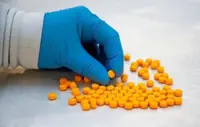
The surge in dual diagnosis cases among PWUDs in Malaysia may be largely attributed to the use of amphetamine-type stimulants (ATS), which have been associated with severe SUD and significant mental health problems.
While the prevalence of dual diagnosis among Nada clients has been reported at 27%, the condition may be even more prevalent among incarcerated PWUDs, given the substantial prison population. Therefore, further studies are needed to determine the magnitude of this emerging public health burden.
In most circumstances, existing drug rehabilitation programmes are inadequately equipped to accommodate and treat PWUDs with co-occurring mental health disorders, as they are commonly built on the abstinence-oriented treatment model. As a result, PWUDs with co-occurring mental health conditions may be excluded from treatment opportunities.
People with unresolved mental health issues may experience a strong urge to use drugs, which can subsequently worsen their SUD.
The deterioration of SUD may further exacerbate underlying mental health conditions, creating a complex clinical situation that makes the management of co-occurring disorders more challenging for treatment providers.
PWUDs with dual diagnosis may be reluctant to seek treatment. Co-occurring medical disorders have been associated with higher relapse rates, increased hospitalisation, more frequent visits to psychiatric services, self-harm, violence and social marginalisation.
Since ATS have become the dominant drugs used illicitly in the country, and given their well-documented adverse health effects, it is important for policymakers to consider revamping the nearly five-decade old drug rehabilitation centres that were established to provide services for opiate (heroin) users.
While these centres remain essential, their treatment approaches need to evolve.
To address this emerging health issue, policymakers should pilot interventions to identify effective approaches for managing dual diagnosis among PWUDs.
A designated drug rehabilitation centre incorporating mental health services could be established to manage dual diagnosis cases and also serve as a referral hub for developing appropriate treatment guidelines.
Additionally, trained rehabilitation officers should be appointed and objective screening tools should be implemented to identify PWUDs with co-occurring mental health disorders. This would facilitate timely referral to appropriate services.
It is also important to review the enrolment criteria to allow PWUDs with mild to moderate mental health conditions to access rehabilitation programmes voluntarily.
Finally, PWUDs should be informed about the clinical manifestations of dual diagnosis and the risk associated with delaying treatment.
To effectively address this worrying health threat, policymakers must recognise that dual diagnosis cannot be resolved through punitive drug policies alone; a treatment-centred policy is needed to address the evolving rehabilitation needs of PWUDs.
ASSOC PROF DR DARSHAN SINGH MAHINDER SINGH
Centre For Drug Research
Universiti Sains Malaysia
Already a subscriber? Log in
Get 20% OFF The Star Digital Access
Cancel anytime. Ad-free. Unlimited access with perks.