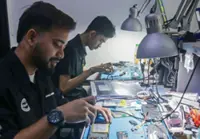
AS preparations for the 2026 national budget enter the final stages, I urge our policymakers (particularly the Finance Ministry) to take a closer look at the funding allocated for Technical and Vocational Education and Training (TVET).
While the government has shown commitment to this sector, most notably through the formation of the new TVET Commission, more needs to be done, especially in terms of financial support for trainees.
In Budget 2025, the Human Resources Ministry (Kesuma) was allocated a total of RM6.8bil to strengthen the TVET sector. Out of this, the Skills Development Fund Corporation (PTPK), which provides education loans to TVET trainees, was only allocated RM180mil specifically for the TVET Training Fund.
While it marks a commitment to TVET, the amount is simply not enough compared to the overall budget and the growing demand for financial assistance among aspiring trainees.
According to data from the UP_TVET centralised application portal managed by the Department of Skills Development (JPK), a total of 189,304 applications were received for the July 2025 intake. This figure comprises 166,064 applications under the UP_TVET Perdana stream and 23,240 under the UP_TVET Flexi stream.
This marks a dramatic increase from the previous year’s intake of just 25,000 applicants, reflecting a surge in public confidence and interest in TVET as a viable and respected pathway for education and employment.
Across the country, we are witnessing a surge in interest among youths who want to pursue skills-based education. This reflects a growing awareness that TVET is not a second-class option but a powerful pathway to employment, entrepreneurship and national development.
Yet, many of these eager young Malaysians are being held back, not by lack of motivation but by lack of financial support.
For the past one month, training providers were unable to recruit new trainees as PTPK has halted the online loan applications temporarily due to reasons known only to them!
At Kolej YKP and Kolej Kemahiran Segatronic, we’ve seen firsthand how trainees from B40 and M40 families struggle to secure funding. RM180mil may sound like a large sum, but when divided among tens of thousands of applicants, it barely covers the basics.
If we truly want to uplift TVET and make it a pillar of our economy, we must ensure that PTPK receives a significantly larger allocation in Budget 2026. According to PTPK during a recent dialogue session with training providers, it needs a total budget of RM800mil.
Establishing the TVET Commission is a good start, but structure alone cannot solve the problem. We need funding that matches the scale of our ambition.
Beyond increasing allocations, we must also improve the way loan repayments are managed. Many graduates enter the workforce and begin earning, but repayment rates remain low.
Here are a few practical suggestions:
> Introduce a flexible repayment scheme similar to models used in other countries where monthly deductions are tied to salary levels;
> Use mobile apps and SMS reminders to keep graduates informed. Offer small incentives for consistent repayment, such as discounts or certificates of good financial standing;
> Work with employers to facilitate automatic salary deductions with clear opt-in agreements during job onboarding; and
> Include basic financial education in TVET programmes so trainees understand their responsibilities and options from the start.
I call on the government, especially those crafting the 2026 Budget, to hear the voices of our students, educators and industry partners. Give PTPK the support it needs. Let’s make TVET not just accessible but also sustainable.
DR R. MUNISWARAN RAJOO
CEO, Kolej YKP/Kolej Kemahiran Segatronic
Bukit Mertajam
Pulau Pinang
Already a subscriber? Log in
Get 20% OFF The Star Digital Access
Cancel anytime. Ad-free. Unlimited access with perks.