
Consider a new recipe for Malaysia’s food security


Image: The Star
Image: The Star

MALAYSIA’S food security challenges are no secret. From our heavy reliance on imported meat to climate-driven threats to our rice production, we are increasingly vulnerable to supply disruptions, price spikes, and environmental stresses.

As we look for ways to secure our food future, two scientific breakthroughs, cultivated meat and gene editing, offer promising solutions that deserve our attention.

Cultivated meat, also known as lab-grown or cell-based meat, is produced by growing animal cells in a controlled environment, without the need to rear or slaughter livestock. This technology allows us to create real meat with a fraction of the land, water, and feed required by conventional farming.

For Malaysia, where over 80% of our beef and mutton is imported, cultivated meat could reduce our dependence on global supply chains and give us greater control over our protein sources. Local production could also help buffer against future shocks, from pandemics to geopolitical tensions that disrupt food imports.

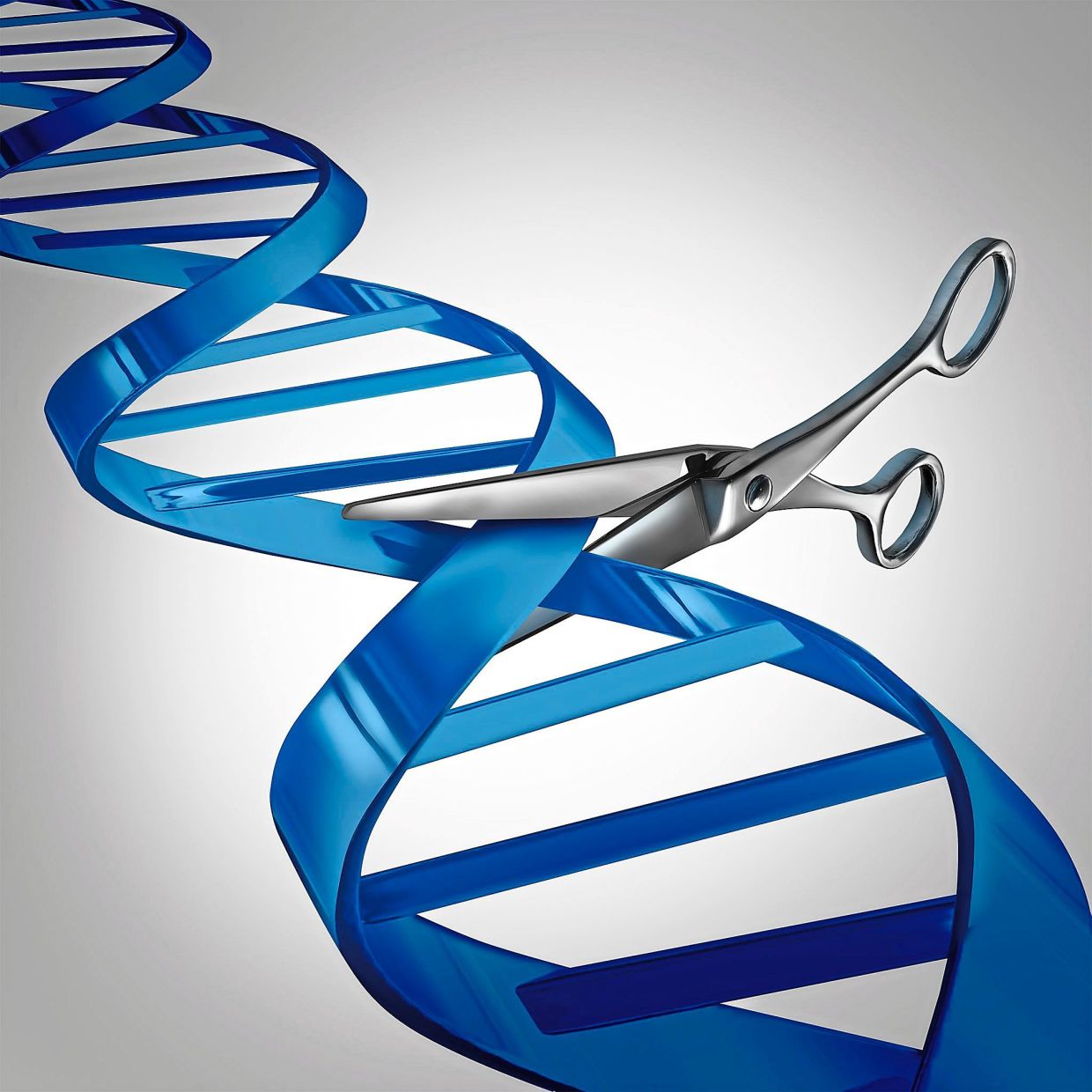
Gene editing is another tool that can help strengthen our food system. Unlike older genetic modification methods, gene editing allows scientists to make precise, targeted changes to DNA, with “molecular scissors”. In agriculture, this means we can develop rice that is more resistant to pests, or better able to withstand drought, traits that are becoming increasingly important as climate change affects our farmers.

Gene editing can also be applied to the cells used in cultivated meat, making them grow more efficiently or improving their nutritional profile.

These technologies are not just futuristic ideas. Scientists at the Malaysian Agricultural Research and Development Institute are already exploring gene-edited padi lines, while a local company is exploring the manufacture of cultivated meat.

The National Biotechnology Policy 2.0 calls for innovative solutions to boost food security and sustainability, and cultivated meat and gene editing fit squarely within this vision.

Of course, innovation alone is not enough. We need clear, science-based regulations to ensure these foods are safe, nutritious, and, where relevant, halal-compliant. We need to engage the public so Malaysians understand and trust these new food sources. And we must ensure that these technologies are accessible so their benefits reach not only corporations but also small farmers and local communities.

Malaysia has the talent, the policies, and the need to lead in this space. Cultivated meat and gene editing are not silver bullets, but they could be key ingredients in a more secure, sustainable, and self-reliant food future. The time to embrace them is now, with an extra pinch of political will and sufficient funding.

SAARANI VENGADESEN

PhD candidate

Biotechnology Regulation

Faculty of Law

Universiti Malaya

Get 20% OFF The Star Digital Access

Monthly Plan

RM 13.90/month

RM 11.12/month

Billed as RM 11.12 for the 1st month, RM 13.90 thereafter.

Best Value

Annual Plan

RM 12.33/month

RM 9.87/month

Billed as RM 118.40 for the 1st year, RM 148 thereafter.

Follow us on our official WhatsApp channel for breaking news alerts and key updates!

Next In Letters

Every child's right to belong: Why Malaysia must end marriage-based citizenship discrimination
Understanding and cooperation appreciated during CRS optimisation period
A wake-up call for Malaysia’s trade strategy
No one should fall through the cracks
Should litigants write court orders?
Diving urgently needs to be regulated
Dreams are good, but success demands a blueprint
We need to address this crisis among our young people
Why good people leave a mess
Every digital service should have a human alternative

Others Also Read