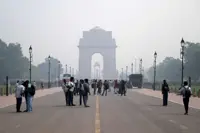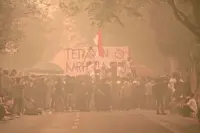
ONCE again, people in Kalimantan, parts of Malaysia and across the region are breathing toxic, smoke-filled air caused by land clearing across the border. Yet, what makes this choking haze even harder to endure is the official response from across the border – or rather, the deafening silence. When offers of firefighting assistance are dismissed by remarks suggesting we should simply be grateful for months of fresh air, it leaves the public feeling helpless and deeply frustrated.
To understand just how abnormal this neighbourly dynamic is, we only need to look at how we behave in our own neighbourhoods. Imagine living in a housing estate where a resident decides to burn rubbish in their backyard. The thick, foul-smelling smoke billows directly into your living room, choking your family.
Naturally, a civilized neighbour would apologise, put out the fire immediately and perhaps offer compensation for the trouble caused. At the very least, they wouldn’t cross their arms, look away and tell you that because they gave you a pleasant breeze for the rest of the year, a few weeks of toxic smoke is nothing to complain about.
For decades, our response to this seasonal crisis has followed a tired, ineffective script.
Diplomats exchange polite statements, leaders express mild disappointment, and we simply wait for monsoon rains to wash the poison away until next year.
In Malaysia, when our national interests or sovereignty are threatened, we are no strangers to peaceful public assemblies. We march to embassies to register our deep concerns, standing up for what is right. But in the face of an environmental crisis that literally suffocates our children and damages our economy, where is our collective voice? Where are our environmental groups and civil society movements? Why has the response to an annual assault on our lungs been so quiet?
If we want to break this cycle, we must move beyond symbolic gestures and outdated diplomatic norms. We need a multi-pronged approach that actually works.
First, our environmental and civil society groups must build direct, solid alliances with local NGOs in Indonesia.
The communities in Kalimantan and Sumatra suffer far worse pollution than anyone else during these fires; they are the primary victims of corporate land-clearing.
By joining hands across the straits, sharing data and supporting local Indonesian legal campaigns against illegal burning, we create a united front that neither negligent corporations nor indifferent officials can easily ignore.
Second, Parliament must finally enact a robust Transboundary Haze Pollution Act, following the path successfully carved by Singapore a decade ago. Such a law would give Malaysian courts explicit jurisdiction to prosecute, fine or freeze the assets of any company – whether local, foreign or joint venture – that contributes to open burning affecting our air.
Many large plantation entities operating across the border have corporate ties, investors or parent companies based in Malaysia. A strict domestic legal framework ensures that company boardrooms can no longer hide behind international borders when their overseas operations burn land for profit.
We cannot accept toxic skies as an unchangeable weather season, nor can we accept dismissive attitudes from across the border as just part of the bargain. The technology to monitor hotspots and track land ownership exists today. What has been lacking is the political courage to enforce accountability and impose real consequences on those who profit at the expense of public health.
Our elected representatives, civil society and citizens must step up. It is time to stop relying solely on quiet diplomacy and start deploying practical legal, corporate and regional solidarity to protect our environment.
CHIN YEW SIN
Shah Alam
Already a subscriber? Log in
Get 20% OFF The Star Digital Access
Cancel anytime. Ad-free. Unlimited access with perks.