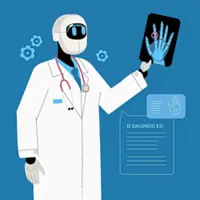
THE promise of artificial intelligence (AI) in medicine is exciting. It can help detect diseases earlier, support overworked doctors and offer cost-effective solutions. However, these advancements also raise significant legal questions, especially around accountability, safety, fairness and human rights.
Many AI-driven tools are designed to assist with medical decisions, but some go further by offering diagnostic outputs or clinical recommendations that heavily influence or even determine a patient’s treatment plan. Yet, these tools often operate behind the scenes, and patients are rarely told about the extent of AI involvement in their care.
Already a subscriber? Log in
Play, subscribe and stand a chance to win prizes worth over RM39,000! T&C applies.
Cancel anytime. Ad-free. Unlimited access with perks.