
This approach transcends traditional corporate social responsibility (CSR) by placing humanity at its centre. CHR means businesses treat employees not as resources, but as indispensable stakeholders whose well-being is paramount. This is a practical necessity to ensure development provides durable benefits for both nations, grounded in human dignity, ethical conduct and environmental stewardship.
This collaborative effort targets mutual economic advancement through superior infrastructure. Key projects like the East Coast Rail Link (ECRL) will revolutionise trade and tourism, while the Malaysia-China Kuantan Industrial Park (MCKIP) will attract industries and jobs. The Digital Silk Road initiative propels us toward a 5G future, while a shared green development commitment seeks sustainable solutions and new economic opportunities.
Officially, these ventures and the broader initiatives they represent are designed for mutual benefit and a "shared future", which includes establishing new trade corridors, opening markets and improving citizens' livelihoods. However, their ultimate success cannot be measured by economic reports or physical scales alone. The true test will be their impact on the everyday lives of our people and the health of our shared environment. This represents a paradigm shift from a purely profit-driven model to a humanistic business philosophy.
What, then, is CHR? For too long, the "social" aspect of CSR has been a vague component. CHR brings the focus back to people, both inside and outside the corporate structure. It is development with a conscience. It means prioritising people, acknowledging that human beings have an intrinsic worth beyond their monetary value. In practice, this translates to fair wages, safe working conditions and creating workplaces that are genuinely employee-centric and supported by holistic compensation. It involves caring for our communities through a sincere commitment to CSR and fostering open, healthy communication. It demands respect for our environment and a culture of honesty and transparency. At its core, CHR is a commitment to holistic training and development that empowers individuals to reach their full potential.
In international projects of this magnitude, CHR is a crucial safeguard. It helps prevent exploitation, shields communities from harm, protects against environmental degradation and builds the trust essential for any lasting partnership. CHR provides the framework to ensure that development is fair, inclusive and genuinely serves the people, thereby contributing to the well-being of society.
Of course, applying these humanistic principles is not always simple. Concerns have been voiced about whether local workers and businesses are getting a fair shot at opportunities. The MCKIP, for example, has previously been scrutinised for its labour practices. This is precisely the kind of challenge an employee-centric CHR framework is designed to meet, by making fair treatment, work-life balance and respect for the values of every individual a core operational principle.
Massive infrastructure projects like the ECRL will inevitably affect the environment and local communities. While the promise of economic uplift is strong, so are the legitimate fears about deforestation, flooding and displacement. A CHR framework demands that companies live their values, not just state them. This entails transparent environmental assessments, robust mitigation plans and fair compensation. Furthermore, public confidence depends on openness regarding the financing and management of these multi-billion-dollar undertakings.
The challenges are significant, but so are the opportunities. The core tenets of Malaysia's "Malaysia Madani" philosophy—compassion, respect and sustainability—are in perfect harmony with the principles of CHR. When approached correctly, these collaborative projects can uplift the nation. A focus on holistic training and development will create high-quality jobs, facilitate the transfer of valuable skills and help pioneer green technologies. The associated industrial parks can become dynamic hubs of innovation that foster not just corporate profits but also the professional and personal growth of local talent.
For this "Golden Era" to truly benefit everyone, CHR must be the bedrock of our strategy. This requires strengthening our regulatory frameworks with robust labour laws, stringent environmental protections and clear safety standards—all of which must be rigorously enforced. This lays the foundation for building employee-centric workplaces and providing the holistic compensation that is the core tenet of CHR. Moreover, CHR principles, including comprehensive social and environmental impact studies, must be integrated into projects from their inception.
Empowering our local communities and businesses is also crucial. Projects must be structured to maximise Malaysian content, support our vital network of small and medium-sized enterprises and commit to upskilling our workforce through comprehensive training and development. This can only be achieved through transparent and inclusive governance, backed by open communication that gives communities a meaningful say and a clear path for redress when problems arise.
Finally, we must cultivate deeper cultural exchange and mutual understanding to navigate the complexities of these international ventures. Technology can be a powerful ally, enhancing accountability, enabling us to monitor compliance with CHR commitments and helping us track environmental impacts with greater precision. The goal is to ensure that the "social" aspect of CSR is genuinely centred on employee well-being.
The development projects between Malaysia and China represent a powerful engine for economic growth. By embedding CHR at their core, we can ensure this progress is more than just profitable—it can be ethical, inclusive and sustainable. By choosing a path that prioritises human dignity and environmental health as highly as economic returns, Malaysia and China can set a compelling example for responsible global development. This is how we can create a "Golden Era" that truly benefits all our citizens and enhances the well-being of society.
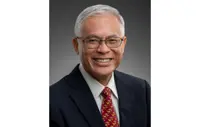
Dr Koon Vui Yee is a Principal Teaching Fellow at Sunway University. The views expressed here are entirely the writer's own.
The SEARCH Scholar Series is a social responsibility programme jointly organised by the Southeast Asia Research Centre for Humanities (SEARCH) and Tunku Abdul Rahman University of Management and Technology (TAR UMT).