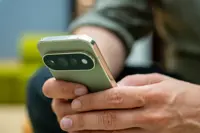
IT’S commendable that efforts are being made to protect our children from the harmful influences of social media.
There is plenty of research showing that children are being exposed to inappropriate content, including sex and violence, cyberbullying, fraud, identity theft, and other risks.
The Malaysian Communications and Multimedia Commission is aware of and watchful for sexual predators who prey on children online by pretending to be friends of the same age.
And that is only the tip of the iceberg. The fact is, many disturbed individuals operate freely in the social media realm.
We need workable and enforceable methods to protect our kids.
Banning smartphones for those under 16 may seem like a noble idea, but for practical reasons, it simply will not work. It is wishful thinking.
Smartphones are now woven into the fabric of modern childhood. They are a part of daily life, not just for minors, but for everyone.
We can’t even order food at restaurants now without a smartphone, pay for our meals since our e-wallets are on our phones, or book transport.
Children under 16 use phones for texting, researching, playing games, doing homework, and keeping in touch with their parents and friends. They also read the news, access information, and use apps for entertainment.
Tablets and laptops are merely supplementary. Even if smartphones were banned, children could still access the digital world through other devices.
This 64-year-old uncle, who started his career using a typewriter, is writing this article comfortably on a smartphone.
Perhaps a more workable approach would be to ban smartphone use during school hours.
Many countries have taken this step. South Korea, for instance, reportedly bans mobile phones and smart devices during school hours, with exceptions for students with special needs and disabilities, or when devices are needed for educational purposes.
Finland is said to have similar restrictions for primary and secondary students. France has gone further, banning phones in schools for students aged three to 15. Students there must surrender their phones upon entering the premises or lock them away.
Australia has already decided to ban social media access for those under 16, but the onus is on social media platforms to prevent underage users from gaining access. They will be responsible for enforcing the restriction.
It would be wiser for the government to study how other countries have implemented these measures before making any knee-jerk decisions.
We can certainly learn from their experiences, as they too are concerned about the rise in bullying and violent incidents linked to social media. No system is flawless, and I am sure they faced their share of challenges.
Malaysia is no exception. Even with preventive steps, cases of sexual grooming and violent incidents are likely to continue.
There is little point in imposing an outright ban on smartphone ownership for those under 16. We should stop comparing today’s children with our past, because social media simply did not exist then.
Even among adults, the rise of hate speech and racist remarks online is alarming. Nothing seems sacred anymore, and the law struggles to curb these toxic narratives.
So what can we expect of our children who read such comments, often written by adults, online? Or from politicians who act like bullies on TikTok? Are we really setting the right example for our children?
Some countries are reportedly considering laws to regulate social media access for minors, including raising the minimum age and requiring parental consent.
But again, it is easy to lie about one’s age or identity online. Many parents are also digitally illiterate or lack the skills to understand what their children are doing.
Malaysia already has plenty of laws, but enforcement remains a chronic problem. Many of us have grown immune and cynical to repeated warnings from the authorities.
How many times have we heard officials say "we will not compromise" or "no stone unturned"?
Surely, we cannot expect policemen to stand guard in every one of our 10,000 schools. The police are already stretched thin handling school bullying cases, time that should be spent catching real criminals.
As a start, schools could impose limits on screen time. But this would require the support of all stakeholders.
Teachers are already overburdened, and soon they may have to keep an eye on students sneaking in their phones.
Promoting responsible smartphone usage and digital literacy would be a far more sustainable solution.
In the end, the real responsibility lies with parents. Teachers can only do so much during school hours.
We must support our teachers as custodians, not drag them to police stations for disciplining our children.

Wong Chun Wai
Wong Chun Wai began his career as a journalist in Penang and served Star Media Group for nearly four decades in various capacities and roles. He was group editorial and corporate affairs adviser to the group, after having served as group managing director/chief executive officer. "On The Beat" debuted on Feb 23, 1997. Chun Wai has penned the column weekly without a break, except for occasional press holidays when the paper was not published. In May 2011, a compilation of selected articles of On The Beat was published as a book and launched in conjunction with his 50th birthday. Chun Wai also comments on current issues in The Star. He is now chairman of national news agency Bernama.