New brand, old issues


Federal Territories Residents Representative Council (MPPWP) Sub-Zone 1 chairman Chay Weng Teong walking past a broken lift at PPR Pekan Kepong during a site visit. — Filepic

Efforts merely cosmetic if existing problems in PPR buildings are not resolved

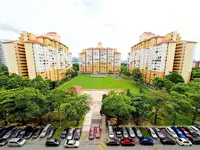
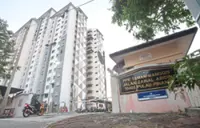
WITH the rebranding of People’s Housing Project (PPR) into People’s Residential Programme (PRR), new and high-quality infrastructure are expected to improve the living standards for public housing dwellers.

But first, let’s look at the state of current PPRs in Kuala Lumpur that have been making headlines over problematic facilities, particularly lifts.

In PPR Desa Rejang, for example, only 14 out of its 38 lifts are operational due to an ongoing replacement exercise and several breakdowns.

In PPR Pekan Kepong, eight cases of lift failures were reported last month, with even some of the newly installed lifts seeing breakdowns.

A report by Khazanah Research Institute last year found that 10% of PPR residents were senior citizens aged 60 and above and the median age stood at 52 to 54.

This should be enough to explain why lifts are important in PPRs, and I believe even young residents would not want to walk up stairs to get to the 10th or 20th floor.

Though it is commendable that the government is working to replace old lifts in PPRs, the results so far prompt several questions: How are contractors selected and how do residents verify the contractors’ credentials?

Why are these new lifts breaking down?

And when such projects face delays, do the contractors provide a satisfactory explanation to the authorities and residents?

Often, residents are notified of the appointed contractors through project signboards erected at the sites.

However, their credentials are not easily accessible to the public, nor those of other participants in the tender process.

This calls for more transparency so that residents are not left in the dark.

The government’s aim in the rebranding exercise is to remove negative stigma attached to public housing.

A total of RM200mil has been allocated for infrastructure maintenance in low-cost strata buildings, including lifts, in Budget 2025.

Though these are certainly positive developments, such efforts will remain cosmetic if the existing infrastructure issues in old PPR buildings are not resolved.

Residents cannot be lodging complaints over broken facilities only to see them breaking down again not long after being repaired.

I am not an expert in structural issues that may exist in old buildings, but perhaps this is an aspect the authorities can look into...even if it is just to rule it out as a cause of the constant breakdown of lifts.

Otherwise, the stigma will persist if the quality of PPR infrastructure does not meet the residents’ need for a decent quality of life.

Get 20% OFF The Star Digital Access

Monthly Plan

RM 13.90/month

RM 11.12/month

Billed as RM 11.12 for the 1st month, RM 13.90 thereafter.

Best Value

Annual Plan

RM 12.33/month

RM 9.87/month

Billed as RM 118.40 for the 1st year, RM 148 thereafter.

Follow us on our official WhatsApp channel for breaking news alerts and key updates!

Next In Columnists

The game doesn’t need conspiracies, it needs consistency
Resolve legislative loopholes first
Bane of exes with axes to grind
The battle for political control
Federal funds and fiscal capacity
Chinese wind blowing in Johor
The incredible star power rising from the East
Make Penang AI plan a bridge for majority
Giants fall, England survive – World Cup quarter-finals take shape
Who shapes global AI rules: Asean-China cooperation role

Others Also Read