Steer e-hailing service back on the right track


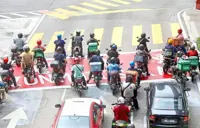
People waiting for e-hailing rides at KLIA. — Filepic

Dire need for fairer system for both drivers and passengers

LATELY, a sense of deja vu has crept into my daily commute.

As someone who relies entirely on e-hailing rides to get around the city, I cannot help but recall unsettling memories of the taxi days – when drivers were notorious for refusing to use meters, for overcharging or abruptly ending trips midway to chase a more lucrative airport fare.

Echoes of those practices seem to be emerging in the e-hailing world.

Drivers cancelling at the last minute, drifting further away after accepting a booking or even asking passengers to disembark midway; these behaviours feel disturbingly familiar.

It makes me wonder: are we sliding back into the old days where customer convenience takes a backseat to the driver’s whims?

I use e-hailing rides almost every day; in the past few months, I’ve had my fair share of run-ins with these frustrations.

Imagine this. A driver had insisted I get out of the car because, according to his GPS, I had reached my destination. But I had not. I was left stranded in the middle of nowhere.

Then there are the drivers who accept a booking only to take the scenic route to my pick-up spot, their estimated arrival time stretching from five minutes to 10, then 20, before they vanish altogether.

The app would show them five minutes from my location, but I’d watch as their arrival time kept being pushed back as their cars drifted further from my pick-up spot.

In the past few weeks, I’ve lost count of how many drivers cancelling my booking in spite of being just minutes away.

One particularly baffling experience still sticks with me. After waiting over 20 minutes for a driver who was just around the corner, I gave up and booked another ride on a different app.

Out of curiosity, I left the original booking active just to see if the driver would ever show up.

I called, texted and even pleaded for a response.

“Hey! Are you coming or not?” Nothing.

Hours later, while sitting comfortably at home, I noticed the app still showed him on his way to my destination.

Only after I messaged him that I’d already made it home did he finally cancel the trip.

Why didn’t he just cancel in the first place?

The answer is painfully simple: ratings.

By refusing to cancel, drivers avoid potential penalties, hoping passengers will cancel instead.

It’s a frustrating game, and one that is becoming all too common.

And so, I welcomed the arrival of more players in the e-hailing industry, thinking that growing competition was a good thing.

But my first day using one of the new services was less than encouraging.

Seven drivers cancelled on me in five minutes.

The eighth driver, who seemed promising, was still 15 minutes away when he too pulled the plug.

After wasting nearly 30 minutes, I was forced to start the entire process all over again.

Isn’t competition supposed to fix these problems? With so many options − more than five at last count − why are we still struggling with the same issues?

The answer lies not in the abundance of platforms, but in a deeper, more human problem – the mindset of drivers.

To be fair, I understand their frustrations. Driving 20 minutes to pick up a passenger for a RM5 fare, only to get stuck in traffic for another 30 minutes, isn’t sustainable.

But passengers too deserve reliability and fairness.

How do we strike a balance between the two?

After speaking to several e-hailing drivers, one thing became clear.

Money is at the heart of the problem, and fare structures need to be re-evaluated.

Dynamic pricing or a minimum fare for short rides could make these trips more worthwhile for drivers.

Incentives, like bonuses for completing a certain number of short-distance trips, could also help.

Improved algorithms could assign nearby drivers to short rides, reducing the frustration of driving long distances for small payouts.

Most importantly, platforms need to actively engage with drivers, listen to their concerns, and work together to find solutions.

This isn’t just about tweaking an app; it’s about building trust and fostering collaboration.

At the end of the day, this isn’t just about technology or competition – it’s about people.

Drivers also need to feel valued, passengers need to feel respected and platforms need to mediate these relationships with care and fairness.

To all the drivers out there hustling through traffic and long hours, I want to say thank you.

Your efforts are noticed and appreciated.

We need to work towards a system that values everyone’s time and effort; yours included.

If we don’t, we risk undoing the progress we have made and slipping back into those dark days of frustration and mistrust.

None of us want that.

Get 20% OFF The Star Digital Access

Monthly Plan

RM 13.90/month

RM 11.12/month

Billed as RM 11.12 for the 1st month, RM 13.90 thereafter.

Best Value

Annual Plan

RM 12.33/month

RM 9.87/month

Billed as RM 118.40 for the 1st year, RM 148 thereafter.

Follow us on our official WhatsApp channel for breaking news alerts and key updates!
e-hailing , ride , cars , congestion , Grab , Bolt , Air Asia app , taxis , mindset ,

Next In Columnists

The incredible star power rising from the East
Make Penang AI plan a bridge for majority
Giants fall, England survive – World Cup quarter-finals take shape
Who shapes global AI rules: Asean-China cooperation role
Why the Johor election is good for Malaysian democracy
Confessions of a durian season sinner
Looming threat to social security
More predictable than the World Cup
America at 250
Coexistence with wildlife key for public safety

Others Also Read