Helping to get local news across


WHEN it comes to highlighting their concerns to the authorities, the public often rely on the media to be their spokesperson.

This is especially true as positions in local authorities such as city mayors and council presidents are held by civil servants and since they are not elected, this arguably renders them less accountable to ratepayers.

Given this situation, journalists, who often communicate directly with officials, are seen as better able to channel public concerns.

It is a symbiotic relationship – while journalists obtain news for their respective publications, officials too gain insight into what the public want. That is the ideal scenario.

Unfortunately, some heads of local authorities have developed a habit of avoiding questions from the media.

When approached for comments at official functions, they are often ushered away by an army of secretaries intent on “protecting” their bosses from the media’s questions.

The reluctance of some heads of local authorities to meet the press is attributed by their subordinates to them being “media-shy” or wanting to be “low-key”.

These top officials should realise that facing the media is part of their job.

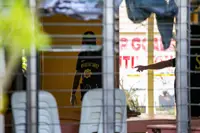
Ani (left), seen here with other volunteers cleaning up the Sungai Ampang riverbank, makes time to answer journalists’ questions which is part and parcel of serving ratepayers.

Various concerns about local governance crop up every day and journalists need to know how the top officials plan to deal with these issues.

We do not expect mayors and council presidents to turn into media personalities, but they should explain their actions.

By keeping silent, these officials can give the wrong impression.

To compound matters, some local authorities have taken to bypassing the traditional media completely.

Instead, they prefer to release statements on their social media accounts.

This may have been acceptable during the movement control order periods where physical meetings were discouraged but what is their excuse now?

Some may think it gives them more control over the narrative and may reduce the chance of being misquoted, but often these statements lack details.

However, some figures at local authorities deserve credit for making an effort to foster rapport with the media.

During her stint as the Hulu Langat district officer, Dr Ani Ahmad, who is now Ampang Jaya Municipal Council (MPAJ) president, was always available to reporters.

Several areas such as Kajang and Hulu Langat, which came under her supervision, were devastated during the 2021 floods.

Ani ensured that she was available to the media and explained the plans being made to deal with the aftermath of the floods.

During a press conference at MPAJ headquarters recently, she patiently fielded many questions from journalists on various issues in Ampang Jaya.

The media is not here to attack public officials. We are simply doing our job in trying to keep the public informed on matters that concern them. That’s all.

Get 20% OFF The Star Digital Access

Monthly Plan

RM 13.90/month

RM 11.12/month

Billed as RM 11.12 for the 1st month, RM 13.90 thereafter.

Best Value

Annual Plan

RM 12.33/month

RM 9.87/month

Billed as RM 118.40 for the 1st year, RM 148 thereafter.

Follow us on our official WhatsApp channel for breaking news alerts and key updates!

Next In Columnists

A summer of sport and politics
Tarnishing the white uniform
Spain’s beautiful game survives Argentina’s ugly antics
Asean-Russia Summit in Kazan: celebrating 35 years of unity in diversity
Strengthening China-Malaysia ties: A powerful boost for a shared future amongst neighbouring nations
Penang’s ‘kapcai’ culture holds key to rail future
La Roja reign supreme – why Spain’s World Cup win was no fluke
China’s Global Development Initiative and Malaysia’s rail transformation
Controversy over Melaka’s reps
Many Israelis' dual citizenship makes entry ban harder to enforce

Others Also Read