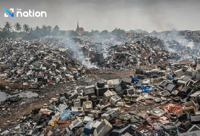

These illegal dumpsites are usually away from public view, in isolated areas, sometimes next to rivers or forests.
Besides worrying about our local litterbugs, we now have to contend with reports of construction and demolition (C&D) waste from Singapore being dumped in Johor.
Construction projects are taking place across the island republic, from new Mass Rapid Transit (MRT) lines to land reclamation projects.
Besides that, Singapore’s older housing and development board (HDB) flats and other buildings are also being demolished to make way for new developments.
So where does all this C&D waste go?
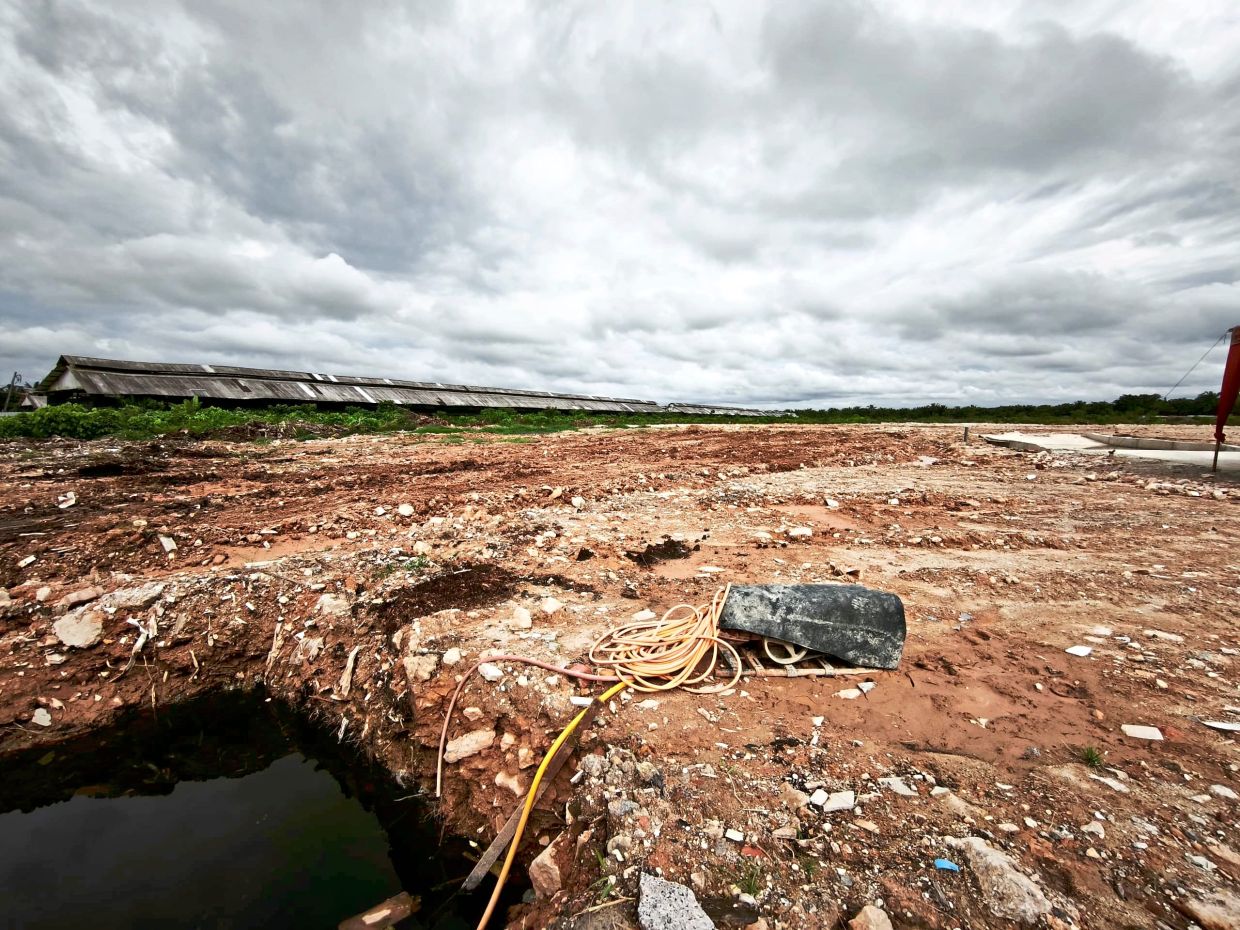
There have been two reported incidents this year involving suspected C&D waste from Singapore being transported and dumped in areas around Pontian under the guise of landfilling or reclamation work.
The latest incident occurred in mid-November when Solid Waste Management and Public Cleansing Corporation (SWCorp) detected 10 lorries at a site in Rimba Terjun, Pontian, where construction waste believed to be from Singapore was being dumped.
Those involved claimed they were carrying out land reclamation work using C&D waste.
How did these lorries end up in Pontian when following a similar incident in August, Singapore’s national environment agency (NEA) said the country did not allow C&D waste to be exported for disposal?
NEA had said in August that the nine companies identified by SWCorp as linked to illegal construction waste dumping in Pontian were Malaysian, while the involvement of Singaporean companies had not yet been established.
Johor housing and local government committee chairman Datuk Mohd Jafni Md Shukor had posted on social media that three areas were identified as dumping points in Pontian, namely Jalan Kampung Sawah and Jalan Kampung Sinar Harapan − both in Pekan Nanas − as well as Tanjung Bin in Kukup.
Three investigation papers were subsequently opened under Section 71(1) of the Solid Waste and Public Cleansing Management Act 2007 (Act 672) against two landowners and another party following a surveillance and enforcement operation by SWCorp.
Pontian appears to be an ideal location for disposing of such waste because of its proximity to the Second Link checkpoint and the availability of land.
But how are consignments declared as broken stones being allowed through?
Why are the import permits for broken stones being approved and issued by the Malaysian Quarantine and Inspection Services (Maqis) instead of SWCorp?
The time has come for Malaysia to put an end to this practice, including closing loopholes in the law.
SWCorp should conduct more checks on tipper lorries entering Malaysia and work closely with the Customs Department, including stationing enforcement officers at the two land checkpoints with Singapore to intercept vehicles suspected of carrying C&D waste illegally.
Lorries declaring their consignments as broken stones should be thoroughly inspected by all relevant authorities to determine what they are actually carrying, before being allowed to enter Malaysia.
SWCorp should not only take action against transport companies involved, but also landowners who knowingly allowed their properties to be used for illegal dumping.
Singapore’s NEA should investigate too and act on Singaporean construction companies found to be involved in arranging for waste to be illegally disposed of in Johor.
Singapore already has laws to act against companies linked to transboundary haze from land and forest fires in Indonesia.
Similar action should be taken against companies found illegally sending construction waste across the border.
The August and November cases could be just the tip of the iceberg in what might be a lucrative business, as residents in the affected areas have claimed that some dumping activities have been going on for a long time.
The public should also play their part by alerting SWCorp whenever they notice suspicious activities involving tipper lorries in their villages, especially those operating at night.
Only through strict enforcement and the closing of legal loopholes can we prevent Johor from becoming a dumping ground for C&D waste from Singapore and other countries.