



THE 1986 Chernobyl nuclear disaster left behind a legacy of devastation, with radiation levels so extreme that the area was deemed uninhabitable for thousands of years.
Yet within the ruins of Reactor 4, scientists discovered something extraordinary thriving in the most radioactive zones.
Has the fungus in Chernobyl evolved to feed on radiation?
Verdict:

TRUE
Fungus discovered in Chernobyl has indeed evolved the ability to feed on radiation through a process called radiosynthesis.
In the late 1980s, Ukrainian scientists studying the dangerous interior of Chernobyl's destroyed Reactor 4 found that a black, mould-like fungus was growing across the walls and in pools of radioactive water.
Rather than merely surviving the immense radiation levels, the organism appeared to be thriving, actively growing towards areas with the highest gamma radiation levels.
The resilient black fungus, identified as Cladosporium sphaerospermum, uses melanin, which is the same pigment responsible for human skin colour, to absorb gamma radiation and convert it into chemical energy.
This process is similar to photosynthesis in plants, where sunlight is converted to energy, except these fungi use ionising radiation instead.
Research conducted at the Albert Einstein College of Medicine demonstrated this remarkable adaptation by studying three melanin-containing fungi: Cladosporium sphaerospermum, Wangiella dermatitidis and Cryptococcus neoformans.
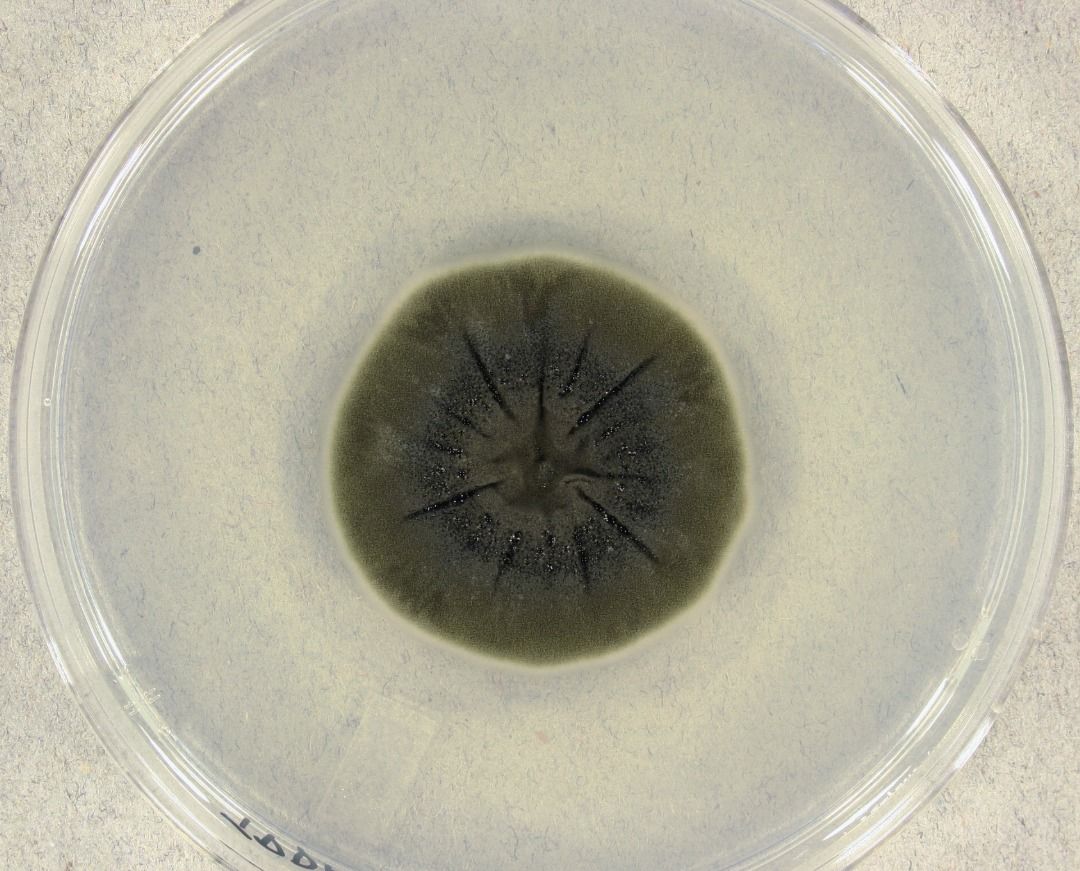
When exposed to radiation levels 500 times higher than normal, all three species increased in biomass and accumulated acetate faster than in standard environments.
Scientists found that Cryptococcus neoformans cells rapidly altered the chemical properties of their melanin within 20 to 40 minutes of radiation exposure.
This transformation increased melanin-mediated rates of electron transfer three to four times compared with unexposed organisms.
Over 15 years, researchers isolated thousands of strains from hundreds of different microfungi species in and around the Chernobyl disaster site.
Many displayed radiotropism, directing their growth towards strong sources of ionising radiation, whilst some appeared capable of digesting hot particles such as the immensely radioactive graphite from the reactor core itself.
The discovery has profound implications for space exploration, as these fungi could potentially provide radiation shielding for astronauts.
Experiments were even conducted on the International Space Station between 2018 and 2019 to test this hypothesis.
Results showed that a 1.7mm thick shield of melanised radiotrophic Cladosporium sphaerospermum reduced radiation by 2.42%.
Researchers estimate that approximately a 21cm thick layer could significantly deflect the annual amount of radiation received on Mars' surface, potentially making long-term space habitation more feasible.
References:
1. https://pmc.ncbi.nlm.nih.gov/
3. https://thebiologist.rsb.org.
4. https://makerfairerome.eu/en/

