
PETALING JAYA: Malaysia’s oil palm industry is bracing for a possible production impact from El Nino next year, as prolonged hot and dry conditions could affect its yields.
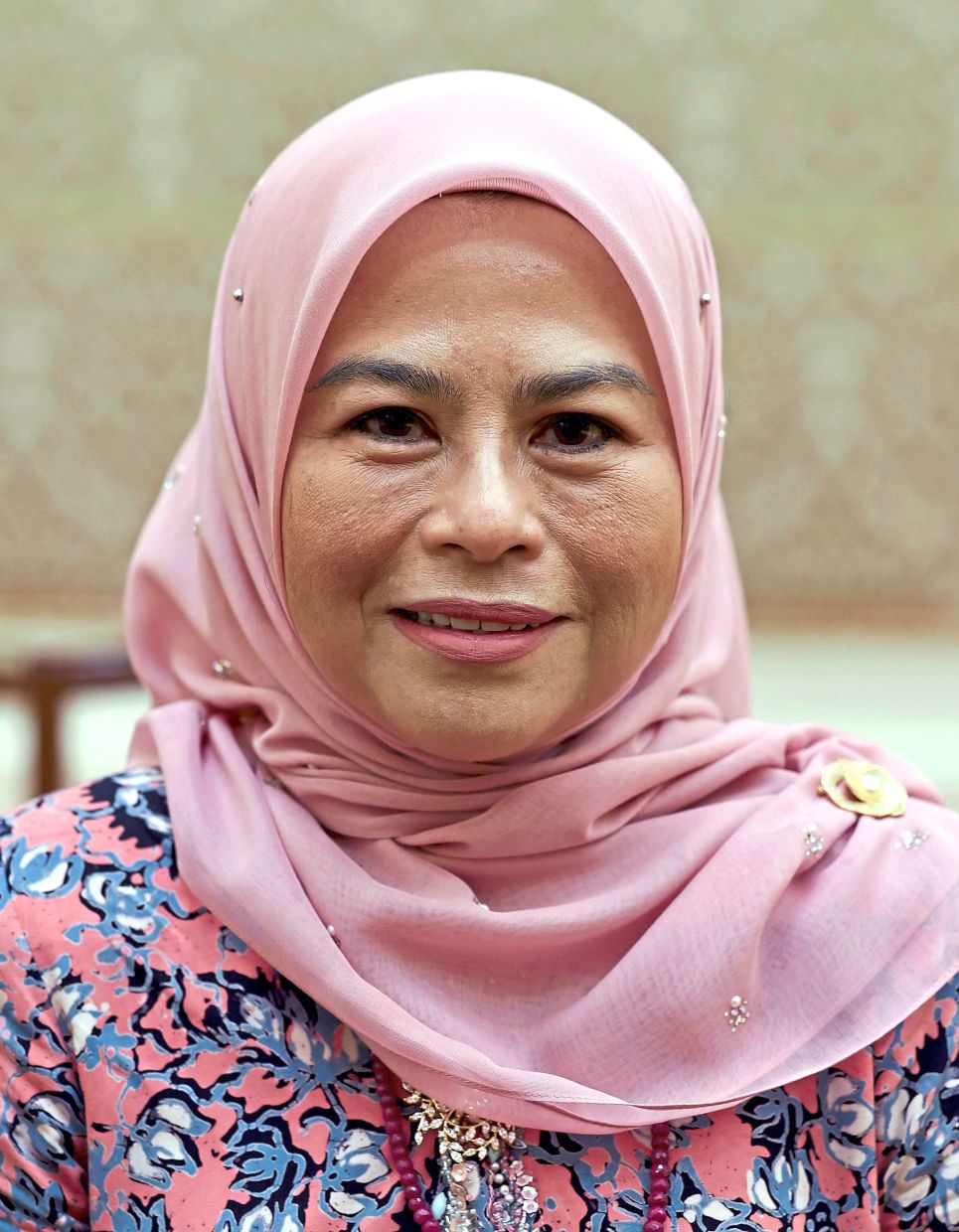
Plantation and Commodities Minister Datuk Seri Dr Noraini Ahmad (pic) said weather agencies expected El Nino to continue into early 2027.
Noraini said it was too early to estimate potential production losses, as the impact would depend on actual weather developments and rainfall in the coming months.
“The Malaysian Palm Oil Board (MPOB) is closely monitoring rainfall, production trends and field conditions and will update its outlook based on actual weather developments.
ALSO READ : Weather could weigh on production costs
“Rainfall in the coming months will make a big difference. When dry conditions last for more than two months, the trees come under water stress,” she said.
This could result in fewer and smaller fruit bunches, affecting fruit development and potentially lowering oil content.
The effects are usually delayed, as fruit bunches harvested today were formed several months earlier.
Malaysia’s previous El Nino episodes in 1997-98 and 2015-16 showed how the weather pattern could affect the industry.
During the 1997-98 period, national oil palm yields fell about 12%, with Sarawak recording a 25% decline in fresh fruit bunch (FFB) yield, followed by Sabah (20%) and Peninsular Malaysia (14.5%).
A study estimated that Malaysia’s oil palm industry suffered economic losses of about RM3.97bil during the 1997-98 El Nino episode and RM8.2bil during the 2015-16 episode.
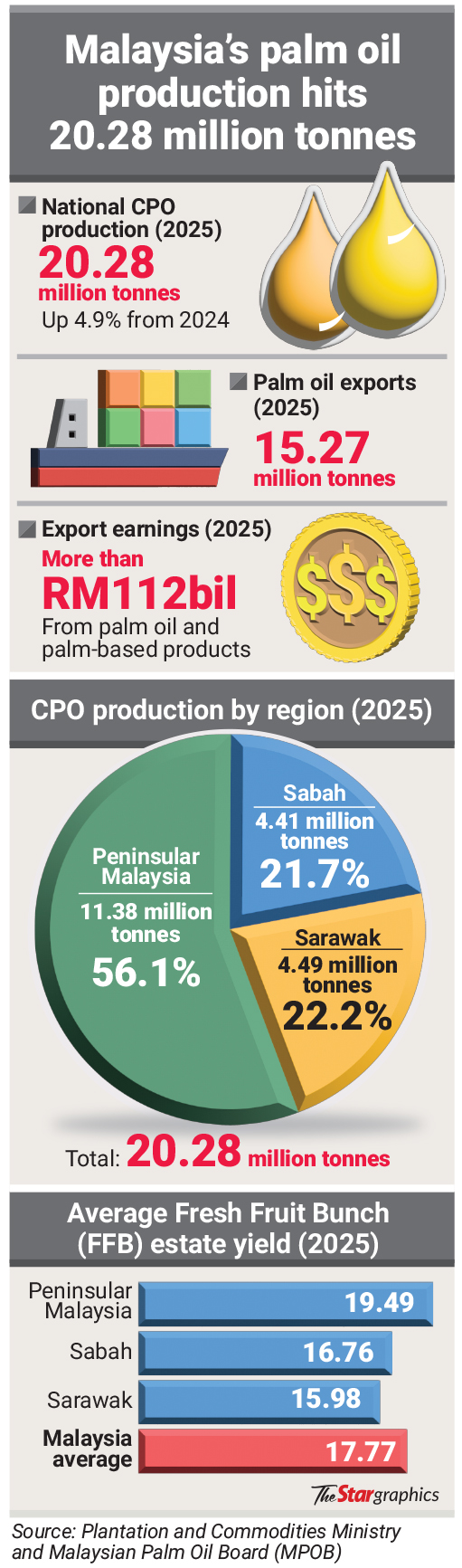
Noraini said Malaysia was entering a potential dry spell from a strong position, with CPO production exceeding 20 million tonnes in 2025 and palm oil stocks ending the year at about 3.05 million tonnes, providing a buffer for domestic needs and exports.
ALSO READ : Planters told to watch for early signs of palm stress
However, areas receiving less rainfall over longer periods would face higher risks, while smallholders could face greater challenges than large plantation companies because they generally had fewer resources for irrigation and water storage.
“This is why the ministry, through MPOB, is giving priority to smallholders in terms of advice and field support,” she said.
The ministry is advising plantation operators and smallholders to store water in ponds or reservoirs, maintain drainage and irrigation systems, and spread oil palm fronds and empty fruit bunches around the palms as mulch to reduce water loss.
“While El Nino cannot be prevented, simple and timely steps can greatly reduce its effects,” Noraini said.
She also advised planters to monitor their trees for early signs of water stress, maintain proper fertiliser application and field upkeep, and consider weather conditions when planning replanting.
Fire prevention is another priority, particularly on peat soil.
“Keep water levels on peatland high and avoid any open burning,” she said.