
KUALA LUMPUR: The different election strategies adopted by Barisan Nasional in Johor, Negri Sembilan, and Melaka, and the victories that followed, show there is no one-size-fits-all formula in an evolving political landscape, says Datuk Seri Dr Wee Ka Siong.
The MCA president said Barisan had employed three different approaches, ranging from contesting independently to seat arrangements, and negotiated agreements with Perikatan Nasional.
“Our experiences in these three states have demonstrated the effectiveness of three different approaches. There is no one-size-fits-all formula for every electoral contest,” he said at the fourth General Assembly of the 30th MCA Central Delegates’ term here yesterday.
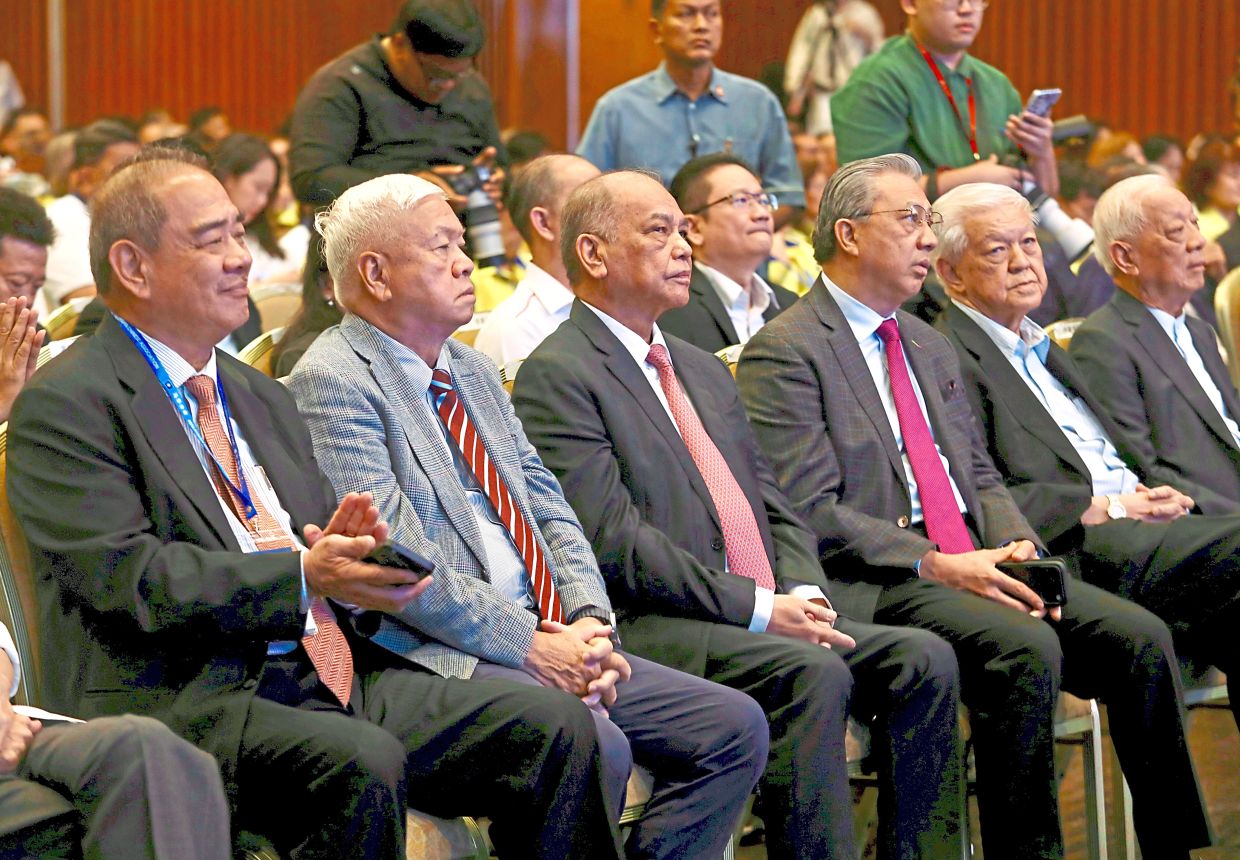
Dr Wee said MCA’s representation across the three states had doubled from six to 12 seats, reflecting the efforts and track records of its representatives, who had won support from voters of all communities.
Looking ahead, he said recent election results suggested that voters below 30 were more receptive to MCA than those in their 60s and 70s, offering the party an opportunity to rebuild support among younger Malaysians.
He attributed this to changing media habits, with younger voters relying more on social media and digital platforms rather than newspapers.
Dr Wee said MCA had required its candidates in the Johor election to appear on podcasts and maintain a daily online presence, with similar approaches adopted in Melaka and Negri Sembilan.
He said the party could no longer rely solely on traditional Chinese-language media or Chinese social media platforms, but had to reach voters through Facebook, Instagram, and TikTok.
He added that MCA Youth and Wanita MCA must actively identify and groom potential candidates, including younger leaders, while maintaining a balance of senior, middle-aged, and younger candidates.
On future seat allocations, Dr Wee said MCA will take a practical approach based on the prospects of individual constituencies rather than focusing solely on the number of seats it was allocated to contest.
He said seats could be divided into three categories: winnable, contestable, and those better left to coalition partners.
Winnable seats are those where MCA has a strong chance of victory, while contestable seats are constituencies where the party could improve its prospects despite having secured only about 30% of the vote previously.
He said MCA might also have to allow coalition partners to contest certain Chinese-majority constituencies if they have a better chance of winning.
“It does not matter whether MCA contests 40, 50, or 60 seats. What matters is how many seats we can win,” he said.
Dr Wee said MCA would continue working under the Barisan banner as it prepared for the 16th General Election, while remaining steadfast in its principles of multiracialism, moderation, and inclusiveness.
A total of 1,186 delegates, or 53.04% of those eligible, attended the assembly.