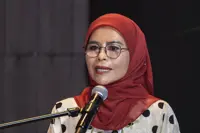
PUTRAJAYA: The adoption of artificial intelligence (AI) and digitalisation in the plantation sector must be carried out responsibly to ensure that smallholders are not burdened by the changes, says Datuk Seri Dr Noraini Ahmad (pic).
The Plantation and Commodities Minister said smallholders’ data must be protected and systems developed for them should be transparent and user- friendly.
“Technologies such as AI, drones and automation could help forecast yields, optimise fertiliser use, monitor land use and improve supply chain management,” she said in her keynote address at the Putrajaya Festival of Ideas 2026 ‘ESG Summit’ yesterday.
The use of such technologies has resulted in benefits for plantations, she added.
“For example, through Project Infinity, SD Guthrie is now using 444 machines for tasks such as fertilising and weed control.
“The manpower requirement for these tasks has been reduced by 29% without any retrenchment.
“More importantly, 503 local youths have been trained as machine specialists, earning an average salary of about RM3,500 a month.”
Noraini said autonomous harvesting drones developed in collaboration with local technology companies had achieved a 90% success rate in controlled tests.
“This is an innovation by our local talent that we should be proud of. However, this example comes from a large company. Our challenge is to ensure that smallholders also benefit from similar technologies,” she said, Bernama reported.
Noraini said higher education institutions also had an increasingly important role in conducting research to address the industry’s actual challenges.
She therefore encouraged three forms of collaboration, namely joint research involving universities, the Malaysian Palm Oil Board (MPOB), the Malaysian Rubber Board and industry players, particularly in the measurement, traceability and reporting of environmental, social and governance (ESG) matters.
“Secondly, talent development in ESG, AI and data science, including training that is accessible to smallholders, cooperatives and small enterprises.
“Thirdly, evidence-based policy input to ensure that research findings can be translated into practical measures.”