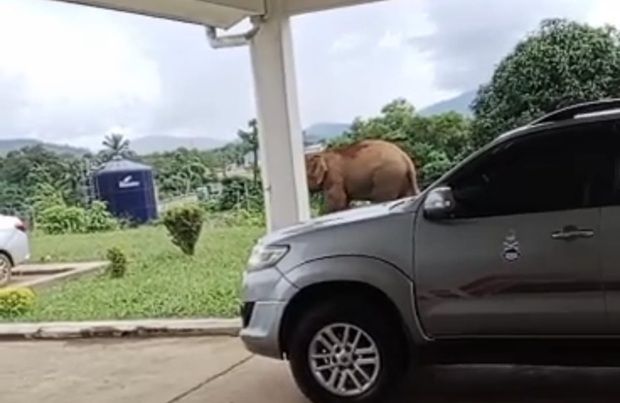
TELUPID: Videos of elephants roaming residential areas and approaching public facilities in Telupid have recently gone viral, but the problem is far from new.
Elephants have been entering villages in this central Sabah district for more than a decade, with sightings becoming increasingly frequent this year, sometimes several times a week.
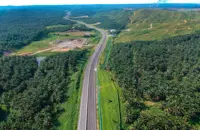
Forever Sabah Human-Elephant Harmony Project coordinator Alvein Dee Albenus said ongoing Pan Borneo Highway construction through the Tawai Forest Reserve could be contributing to the increase, particularly since forest clearing intensified last year.
He said construction work extending into the night was also a concern, while elephants were increasingly dispersing into different locations, making them harder to manage.
Alvein, 33, said the highway cuts through traditional elephant feeding grounds and movement routes, raising concerns about their ability to cross safely once completed.
ALSO READ: Highway through Tawai reserve will only make elephant poaching easier, say green groups
"If elephants are already coming out while construction is ongoing, what will happen when the highway is completed?" he said in a recent interview.
He warned of increased accident risks involving motorists and elephants without adequate wildlife crossings.
"When we talk about elephants, people might say we only care about protecting elephants. But what we are actually concerned about is human safety," he said.
Alvein said the incursions initially affected Kampung Liningkung, Kampung Gambaron and Kampung Bauto, before spreading to other settlements and areas near SMK Telupid, the police station, health clinic and government offices.
Residents have reported damage to vehicles, houses and crops, while some fear for their children's safety when travelling to and from school.
Alvein advised villagers to avoid planting crops that attract elephants near their homes, including banana, coconut, areca nut and cempedak.
He said declining food sources within Tawai Forest Reserve and expanding agricultural plantations were other contributing factors.
ALSO READ: Jumbos not welcomed as neighbours
The project estimates that more than 200 elephants inhabit the forest reserve area, although the exact population remains unknown.
Alvein said his five-member field team, supported by Sabah Wildlife Department personnel and community rangers, has been working almost daily to guide elephants back into the forest.
However, even a combined team of more than 10 struggles when elephants split into smaller groups and enter different locations simultaneously.
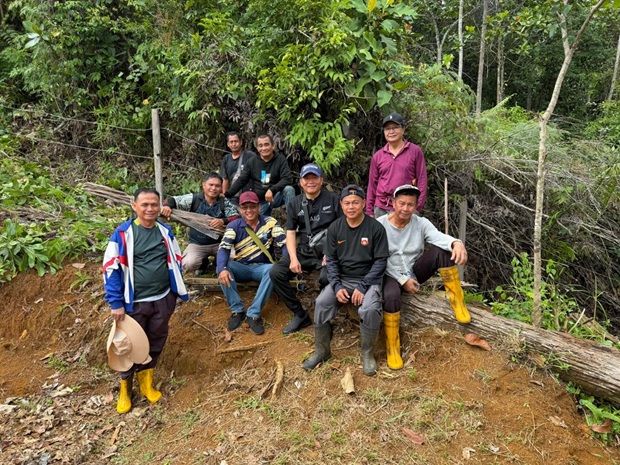
Meanwhile, Telupid assemblyman Datuk Jonnybone Kurum attributed the renewed incursions largely to damage to an electric fence built in Kampung Gambaron in 2015.
He said falling trees, damaged fence posts, poor maintenance and repeated battery thefts had rendered it ineffective.
"When the fence was still functioning properly, elephants rarely entered Kampung Gambaron," he said when contacted on Thursday (Nov 19).
Jonnybone said he secured emergency funding from Chief Minister Datuk Seri Hajiji Noor after discovering extensive damage during a gotong-royong in October.
ALSO READ: Safe food haven for pygmy elephants
Repairs are expected to be completed by the end of November, after which elephants will be guided back into the forest before the fence is reactivated.
He said the Public Works Department had also agreed to his proposal for electric fencing along the Pan Borneo Highway stretch through Tawai Forest Reserve.
However, Alvein cautioned that fencing established elephant routes without proper risk assessments could divert the animals towards more populated villages, worsening human-elephant conflict.
Both Jonnybone and Forever Sabah are also pursuing initiatives to establish food sources for elephants within the forest reserve.
Jonnybone has proposed an elephant feeding area near Sungai Ruku-Ruku in collaboration with oil palm plantation companies and the Wildlife Department, with potential for ecotourism.
Alvein said Forever Sabah had already begun planting fruit trees along existing elephant routes away from residential areas to help reduce incursions.
Jonnybone also urged affected residents to lodge police reports and submit photographs of damaged property or crops to the Sandakan regional Wildlife Department office for possible compensation.
He said no deaths or injuries had been reported to him in connection with the recent incursions.