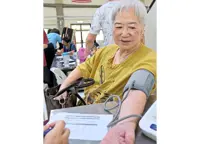
GEORGE TOWN: Malaysians aged 18 and above should undergo annual diabetes screening at healthcare facilities, rather than rely solely on home blood sugar meters.
Penang Health Department public health medicine specialist Dr Tan Hooi Shyuan said laboratory tests such as fasting plasma glucose and HbA1c were important for detecting diabetes, which could develop without noticeable symptoms.
“Home blood sugar monitoring is a tool. What matters is how we use these readings to improve blood sugar control and prevent complications,” she said.
Dr Tan, who is the department’s senior principal assistant director (non-communicable disease control), said the National Health and Morbidity Survey 2023 found 15.6% of Malaysian adults have diabetes, with nearly four in 10 of them unaware of their condition.
Among those with known diabetes, only 40.5% owned a blood sugar meter.
Of these, 65.1% tested at least once a week, 30.1% tested less frequently and 4.8% never tested at home.
Dr Tan said home monitoring was recommended for patients receiving insulin treatment and encouraged for those taking oral glucose-lowering medication.
She said blood sugar levels fluctuated throughout the day depending on food intake, physical activity, medication, stress and illness.
Besides fasting tests, patients could check their blood sugar before meals and two hours after starting a meal, or when experiencing symptoms of low blood sugar such as sweating, trembling or dizziness.
For adults with Type 2 diabetes, recommended blood sugar targets were 4.4mmol/L to 7.0mmol/L before meals and 4.4mmol/L to 8.5mmol/L two hours after meals.
However, she stressed that testing frequency and blood sugar targets should be individualised.
Dr Tan said early detection, timely treatment and good blood sugar control remained public health priorities.
“Do not wait until symptoms or complications develop before taking charge of your health,” she said.