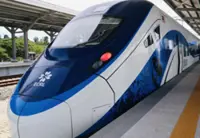
THE East Coast Rail Link (ECRL) project is projected to generate RM418mil in operating revenue from passenger and cargo services by 2029, says Anthony Loke.
The Transport Minister said the projection was based on a study conducted by consultants in 2025, which estimated passenger service revenue at RM204mil and cargo revenue at RM214mil in 2029.
According to the study, passenger revenue is expected to reach RM192mil in 2027 and RM198mil in 2028, while cargo revenue is projected at RM68mil and RM71mil respectively, he added.
“These projections are subject to actual operational performance, including passenger numbers, cargo volumes and developments in market demand,” he said in a written parliamentary reply to Datuk Wan Saiful Wan Jan (PN-Tasek Gelugor).
Wan Saiful had asked about the project’s total construction cost, the government’s annual financial commitments, projected operating revenue and measures to ensure its financial sustainability.
Loke said the construction cost of the 665km ECRL alignment from Kota Baru to Port Klang stood at RM52.43bil which was financed through several sources, including a term loan from China EXIM Bank and sukuk issued by Malaysia Rail Link Sdn Bhd (MRL), as well as development allocations from his ministry and the Finance Ministry.
On long-term sustainability, Loke said ECRL’s business model would combine passenger and cargo revenue, with approximately 70% of total revenue expected to come from cargo services and the remaining 30% from passenger operations.
“Revenue generated would be used to cover operating, maintenance and related costs.
“ECRL Operation Sdn Bhd (EOSB), as the operator, will also optimise non-fare revenue sources through commercial activities such as space rentals, advertising and other suitable sources,” he added.
EOSB was a joint venture between MRL and China Communications Construction (ECRL) Sdn Bhd, with each holding a 50% equity stake.
Loke said the arrangement would allow both shareholders to share operational risks while encouraging revenue growth, better asset utilisation and prudent cost management.
He added that the project’s value should not be measured solely through direct financial returns but also its long-term economic benefits.
“These included improving connectivity between the east and west coasts of Peninsular Malaysia, strengthening the national logistics network and linking major cities, industrial areas and ports.”