Most burning activities in Indonesia not at Malaysian palm oil plantations
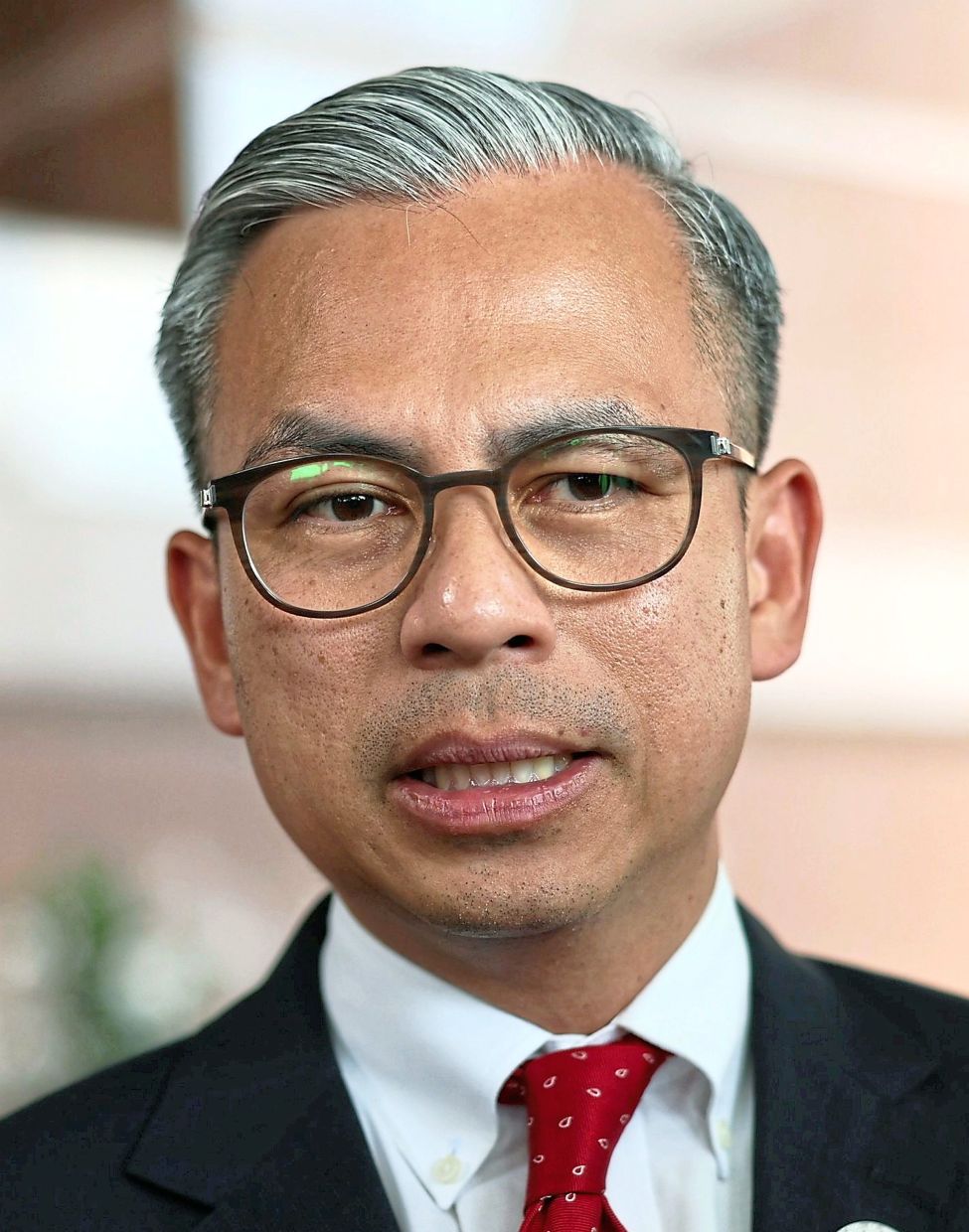
PUTRAJAYA: Burning activities in Indonesia have largely occurred outside the concession areas of Malaysian oil palm companies operating in the republic, says Datuk Seri Fahmi Fadzil.
The government spokesman said the Cabinet had been informed that a fire had spread to a Malaysian-owned plantation that had originated from outside the plantation.
“The Malaysian Palm Oil Board will continue to engage with Malaysian plantation companies operating in Indonesia,” Fahmi said in his weekly press conference yesterday.
He said Malaysia would also reassess the assistance offered to Indonesia to fight the fires, given their extensive spread.
“This is to ensure the assistance offered is helpful. Further discussions will be held, but at this juncture, we do not have specific information on the assets that will be deployed,” he said.
On the haze, Fahmi said the Health, Education, and Youth and Sports ministries had informed the Cabinet that greater coordination was needed, including on measures concerning outdoor activities and the operations of schools and learning centres.
He said the Education and Health ministries had indicated that existing guidelines were based on the National Haze Action Plan.
A meeting chaired by the Prime Minister will be held on Oct 19, with the haze situation among the issues to be discussed.
Further information is expected after the meeting, including updates from the Health, Education, and Youth and Sports ministries, he added.
On constitutional reforms, Fahmi said proposed amendments to limit the Prime Minister’s term and separate the roles of the Attorney General and Public Prosecutor had been presented to the Conference of Rulers.
Several matters were raised by the Rulers, he said, adding that the Prime Minister had directed Datuk Seri Azalina Othman Said to discuss them with the Parliamentary Special Select Committee that drafted the proposed constitutional amendment Bill.
Any amendments or improvements arising from those discussions would have to be brought back to the Conference of Rulers, he added.
Fahmi also said that with the Parliamentary Services Act coming into effect, the jurisdiction of the Parliament now rests entirely with the Parliamentary Services Council, meaning the government no longer had authority over it.
“This fulfils one of the major institutional reform initiatives and we believe it will allow democracy to continue to flourish in our country,” he said.
He added that several matters still needed to be examined during the transition, and the Cabinet would continue to provide assistance where necessary to resolve outstanding issues.
Meanwhile, the Cabinet has agreed to rebrand the PeKa B40 programme as PeKaSihat and introduce further improvements to enhance its effectiveness in addressing non-communicable diseases (NCDs).
“The Health Ministry is coordinating several measures to improve the programme’s effectiveness, including reducing congestion at government health clinics by using the premises of clinics involved in the scheme,” Fahmi said, adding that the Health Ministry would announce further details later.
PeKa B40 is a government initiative under the Health Ministry aimed at supporting the healthcare needs of low-income groups, with a focus on NCDs.