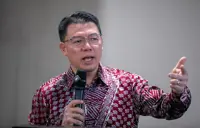
KUALA LUMPUR: Lower-skilled workers will not be sidelined as Malaysia expands the use of artificial intelligence (AI), says Economy Minister Akmal Nasrullah Mohd Nasir.
"Talent development programmes covering certification, upskilling and reskilling will be strengthened to prevent technological advances from causing large-scale job losses.
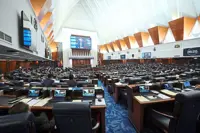
"Collaboration between the public sector, industry and academia will also be intensified through platforms such as the MyMahir Future Skills Talent Council (MyMahir FSTC)," he told the Dewan Rakyat on Wednesday (Oct 14).
A total of 17 MyMahir FSTC councils have been established, each chaired by industry players from different sectors.
"The government aims to create 500,000 jobs through its AI plans, while stepping up efforts to help lower-skilled workers adapt to technological changes.
"The way to manage this challenge is to increase the adoption of technology to facilitate and improve the efficiency of our workforce," he said.
Datuk Awang Solahuddin Hashim (PN-Pendang) wanted to know how many jobs could be affected by AI from now until 2030, the net employment outlook after accounting for jobs created and lost, and the percentage of trainees who secured new jobs or higher incomes within six months of completing training.
Awang Solahuddin said such figures were important to ensure that training allocations translated into actual employment opportunities and higher incomes, rather than merely recording participant numbers.
Akmal Nasrullah said technology was changing the labour market, with generative AI reducing routine and repetitive tasks while favouring workers with higher-level skills and experience.
He said training could also take place directly within industries through the Academy in Industry programme, rather than being confined to institutions.
Economic growth zones, including the Johor-Singapore Special Economic Zone (JS-SEZ), would also require continued efforts to improve workers' skills and prepare them for high-tech investments, he added.
Earlier, Jimmy Puah Wee Tse (PH-Tebrau) asked if the government has prepared a workforce transition plan to address the potential displacement of traditional jobs by AI, automation and digitalisation.
"The 13th Malaysia Plan aims to raise the proportion of skilled workers to 35% of the workforce by 2030, from 30.1% last year.
"According to the 2024 Talent Corporation Malaysia study on the impact of AI, digitalisation and the green economy on the workforce, existing jobs could remain relevant through skills adaptation, while about 10% face automation or a restructuring of job functions," the minister replied.