KUALA LUMPUR: Legislation to halt rent-seeking activities is targeted for tabling in Parliament next year, says Economy Minister Akmal Nasrullah Nasir (pic).
He said this could take the form of amendments to existing laws or new legislation altogether, with a comprehensive study on the matter underway.
ALSO READ: Rent-seeking legislation needed
"Among the areas we are looking at is the enactment of a specific law against rent-seeking or amending existing legislation.
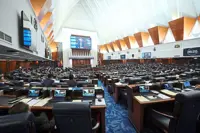
"It will depend on the outcome of the study and the mutual understanding established among stakeholders," he said during Question Time in the Dewan Rakyat on Wednesday (Oct 14).
He said his ministry is currently studying the most suitable regulatory framework.
"It will take into account the views of industry players, enforcement agencies, related ministries, state governments and other stakeholders to ensure our approach is comprehensive and consistent with current demands.
"We want to make sure each proposal is practical, effective and enforceable," he added.
ALSO READ: The economic and social bane of rent-seeking
Akmal Nasrullah also said there must be consensus before finalising the approach, as the matter cuts across jurisdictions.
"It will have to go through several layers before being tabled in Parliament," he said.
Syahredzan Johan (PH-Bangi) had asked about the status of drafting an Anti-Rent-Seeking Act and the timeline for its tabling in Parliament to curb "Alibaba" licensing practices.
Syahredzan also asked about the penalties being considered under the planned legislation.
To this, Akmal Nasrullah said it will only be known once the framework is completed.
ALSO READ: Rent-seeking, interference in procurement criminalised under Govt Procurement Bill, says Anwar
He also said the legislation is important as it would specifically define rent-seeking as an offence.
"We need support from all stakeholders, including those from the Opposition, state governments and local governments to put an end to rent-seeking," he said.
Rent-seeking refers to the practice of manipulating public policy or economic conditions for financial gain without contributing back to the economy.
This includes lobbying for government grants, subsidies or tariffs, giving away money for personal gain, piracy, manipulating government agencies for coercive monopoly and eliminating competitors who are at a disadvantage.