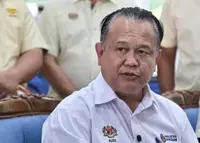
KUALA LUMPUR: The Works Ministry is shifting its focus beyond road construction to ensuring the country's road infrastructure is of high quality, resilient and sustainable through technology and innovation, says Datuk Seri Alexander Nanta Linggi.
Nanta said adopting advanced technologies such as artificial intelligence (AI) was crucial in the digital era to improve the planning, management and maintenance of federal and state roads.
"The ministry's focus is not merely on building roads but also on ensuring that the country's road infrastructure is of higher quality, resilient and sustainable through technology and innovation for the well-being of the people.
"From a global perspective, the forum brings together industry players and engineering professionals to exchange experiences and share the latest knowledge on road engineering technology.
"Our road network faces growing pressure from traffic demand, ageing assets and higher maintenance costs.
"Climate-related hazards, including extreme heat, floods and landslides, add to these challenges, alongside the need to consider seismic risks.
"We must therefore rethink how we design, maintain and protect our roads so that they remain reliable for future generations," he said.
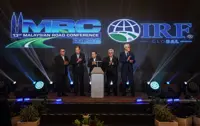
He said this when speaking at the 13th Malaysian Road Conference and Exhibition 2026 and the 16th International Road Federation Global Asia-Pacific Regional Congress on Tuesday (Oct 13).
Meanwhile, Nanta said the ministry's priorities included completing the Pan Borneo Highway in Sabah and Sarawak, the Sarawak-Sabah Link Road, the Kota Baru-Kuala Krai Highway and the Lebuhraya Lingkaran Tengah Utama.
"The 13th Malaysia Plan, covering 2026 to 2030, marks an important shift in our infrastructure strategy, from simply building more roads to developing networks that are resilient, intelligent, sustainable and better integrated with economic activity.
"High-quality road connections remain vital to trade, logistics, tourism, regional integration and rural development.
"We will also continue upgrading heavily used federal roads and strengthening access to ports, airports, economic corridors, industrial parks and logistics centres to improve connectivity across the country," he said.