FOR first-time stargazer Nor Fatimah Zaharah Sani, seeing the night sky blazing with stars was an unforgettable experience.
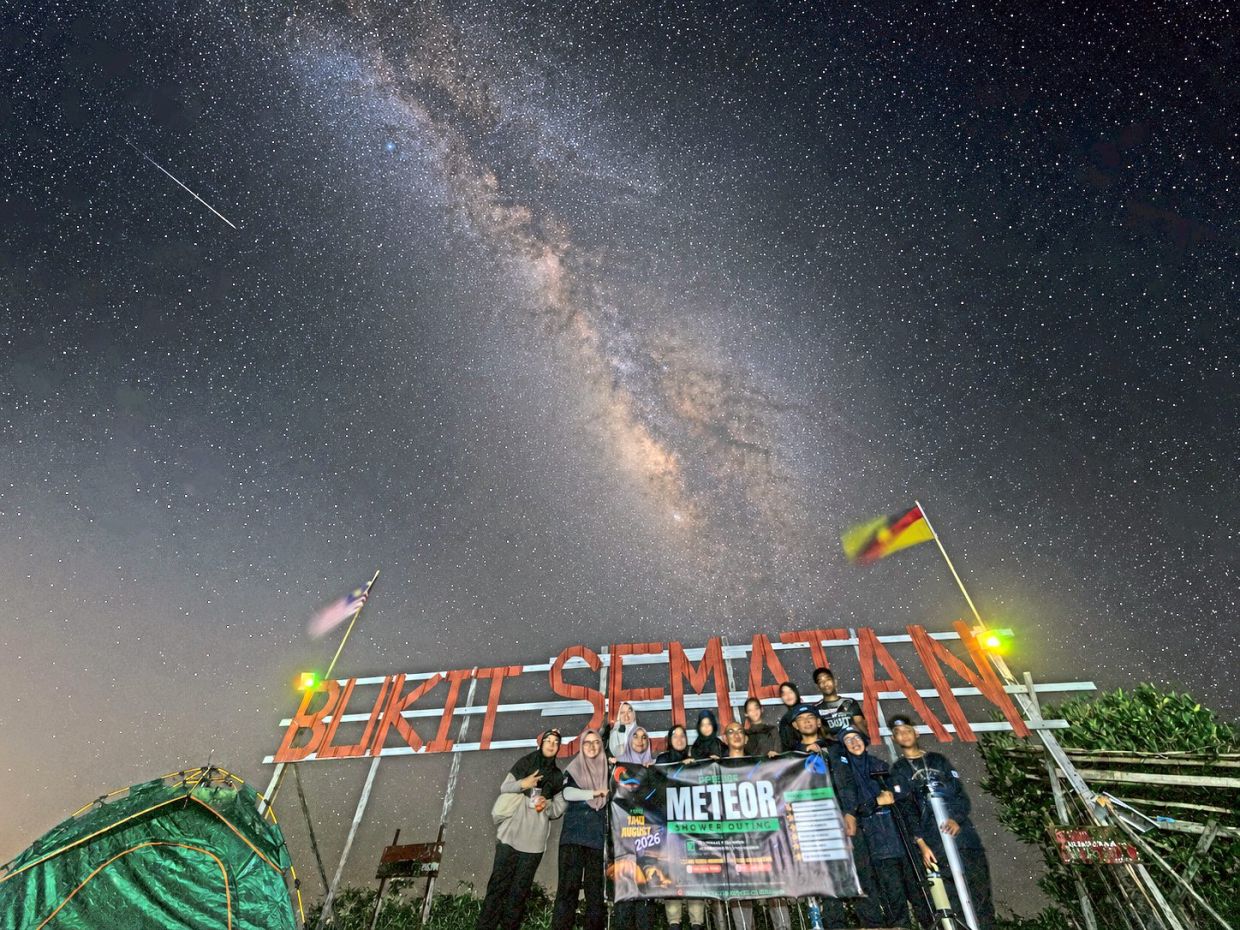
The 30-year-old information technology officer joined an outing to observe the Perseids meteor shower at Bukit Sematan Resort, near Sarawak’s western tip.
The Aug 14 trip was organised by Dark Sky Malaysia, a group that promotes stargazing, astronomy outreach, and awareness about light pollution.
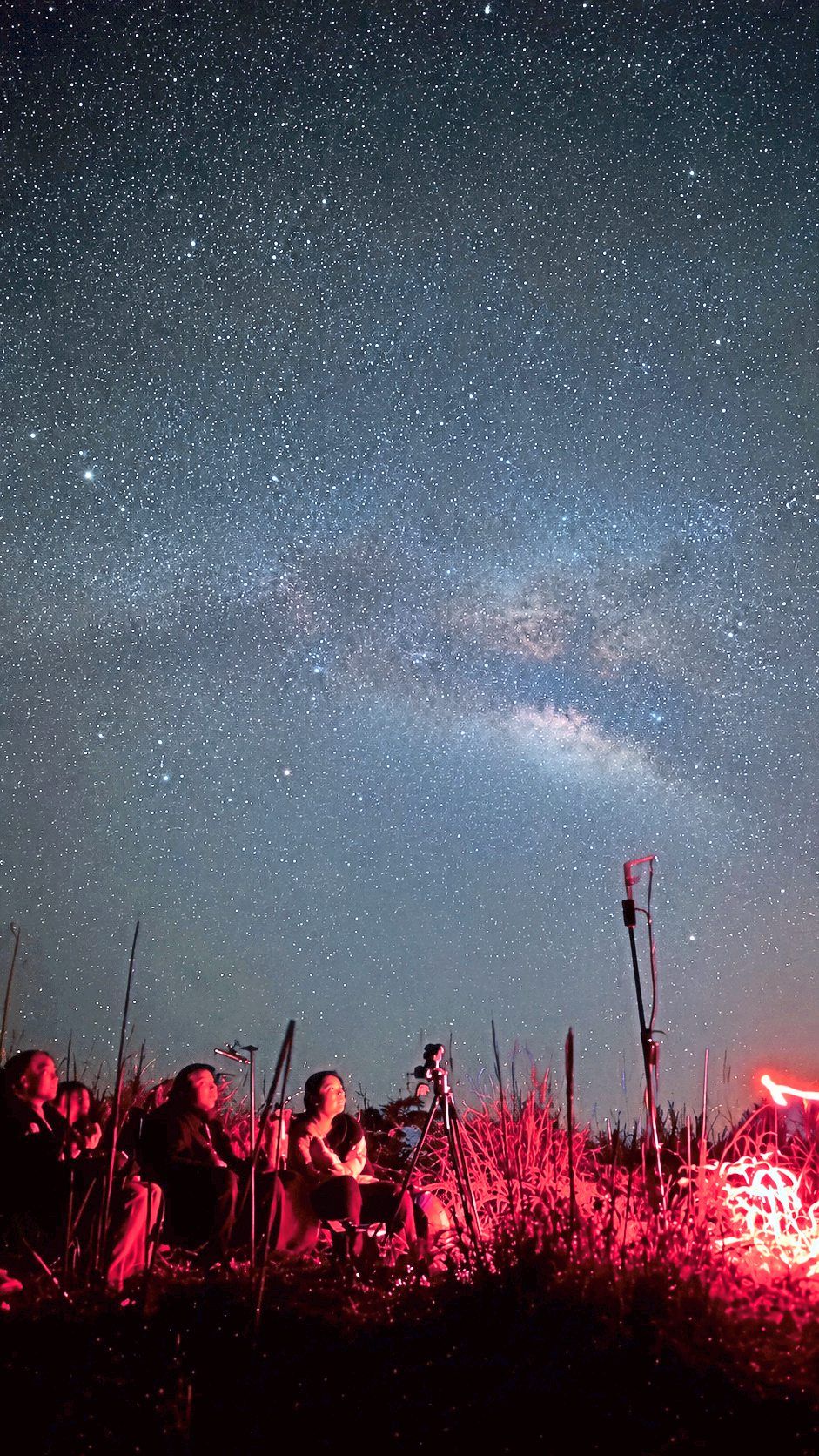
“This was my first time taking part in an outing like this,” she said.
“The night was very dark, with no light pollution, and the sky was full of stars. That was my most memorable moment. It was so peaceful and very different from looking at the sky in the city.”
Nor Fatimah appreciated the opportunity to learn the basics of stargazing during the outing.
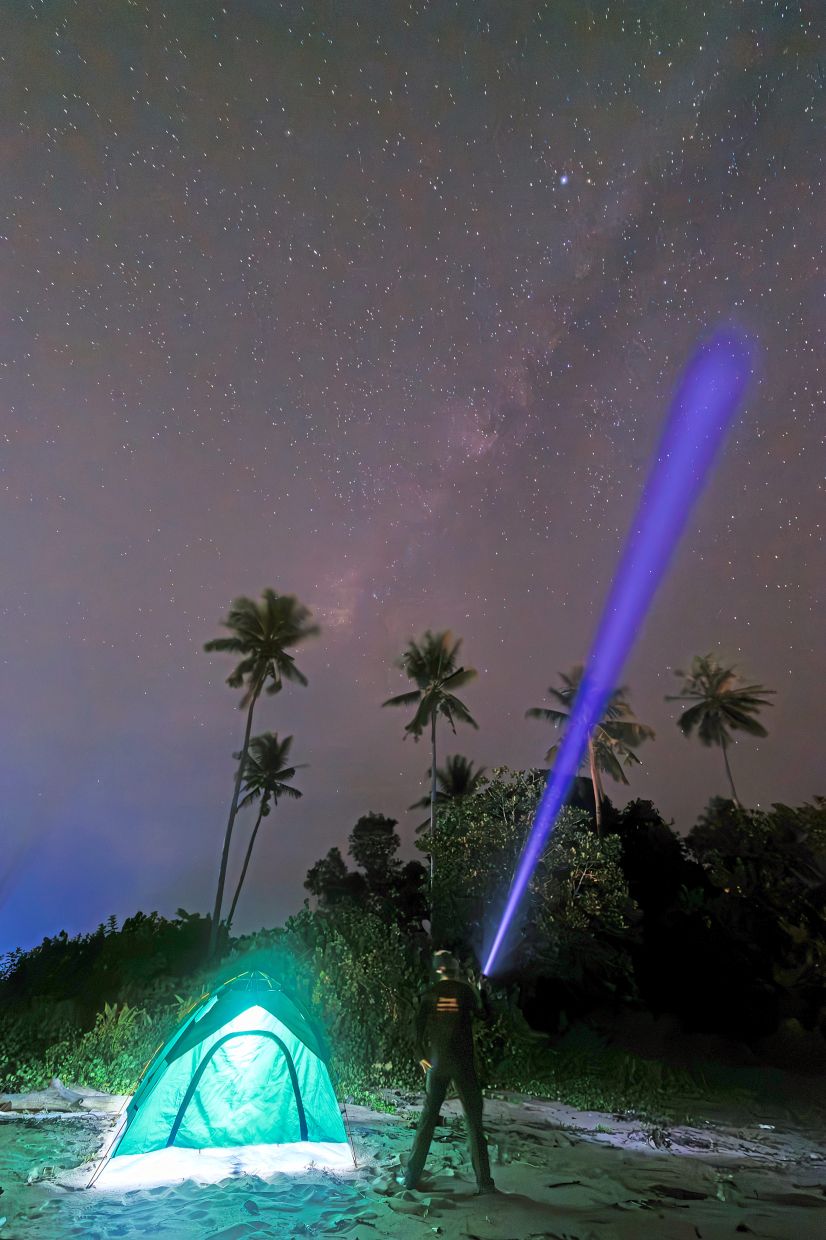
“It was really meaningful to observe the night sky more closely. I now understand that stargazing isn’t merely looking at stars but requires patience, observation and knowledge.
“I also enjoyed the experience of observing the sky in a location far away from light pollution. It helped me to appreciate the beauty of nature even more.”
The outing also taught Nor Fatimah how to photograph the night sky using the right shutter speed, ISO, and aperture settings.
She found that weather conditions, location and light pollution significantly influenced her photography results.
“In terms of observation, it’s important to be alert to the position of stars and other celestial objects,” she noted.
Activity leader Haslinda Bolhassan said the group succeeded in observing the Perseids meteor shower during the outing.
“The best observation time was from midnight to dawn because that was when the meteors were most active. We even got to see some fireballs,” she said.
Meteors, also known as shooting stars, are streaks of light that appear in the sky when small rocks or particles burn up as they enter Earth’s atmosphere. A fireball is an unusually bright meteor.
According to the Malaysian Space Agency (MYSA) website, the Perseids meteor shower was active from July 17 to Aug 24, peaking from midnight to dawn on Aug 13 with up to 100 meteors per hour.
Haslinda said Bukit Sematan was a suitable location for viewing the meteors, as it was far from light pollution, easy to access, and blessed with beautiful surroundings.
“We usually bring mats along because it’s more comfortable to observe the sky while lying down. A telescope was not necessary because the meteors could be seen with the naked eye,” she said.
For Haslinda, outings like this are a useful way to spark interest in astronomy and raise awareness about the importance of protecting Malaysia’s night skies from light pollution.
“Personally, astronomy holds a thousand mysteries for us to explore,” she said.
“I hope more campsite and resort owners will work with us to preserve dark skies, especially in Kuching, so that their locations can become places for the public to enjoy the night sky and learn about observing celestial objects.”
Nor Fatimah, meanwhile, looked forward to joining similar outings again in the future.
“There are still many things that I can learn about astronomy, observing the skies and astrophotography.
“Besides, activities like this are an opportunity to relax from daily routines and appreciate nature,” she said.