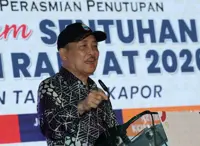
KOTA KINABALU: Development allocations should be used for the people and not as political rewards, says Kapayan assemblyman Chin Tek Ming (pic).
He said that while voters have a right to choose their leaders, the government has a duty to ensure that all people are represented, regardless of whether they are in an opposition or government constituency.
This is because constituency development allocations are public funds, not political party funds or rewards for constituencies that support the government, he added.
"Therefore, people in constituencies represented by the opposition are equally entitled to allocations for roads, drains, flood mitigation, street lighting, community halls, public facilities, welfare and community assistance," he said on Wednesday (Sept 9).
Chin, who is from Parti Warisan, was responding to DAP secretary-general Anthony Loke’s statement calling on the Penang government to enact legislation guaranteeing equal constituency development funds to all its assemblymen, regardless of political affiliation.
"This principle should be adopted by all state governments, including Sabah," Chin said.
"I call on the Sabah government, where Pakatan Harapan is also a component, to take the same step."
Chin said the people should not be punished for electing a representative from an opposition party as they have the democratic right to choose.
After each election, they remain Sabahans who pay taxes and contribute to the economy, he added.
He said a lack allocations not only punishes those who voted for the opposition, but also those in the constituency who voted for the government.
"Every voter in a constituency is a resident there. They use the same roads, the same public facilities, face the same floods, and need the same assistance, regardless of which party they voted for," he stressed.
"In fact, even government supporters still approach an elected opposition assemblyman as their constituency representative when they need help."
He proposed that the Sabah government establish a formula for equal development allocations for all 73 state constituencies, regardless of the political party representing each one.
If additional allocations were needed based on population or rurality factors, or disasters, this formula should also be applied transparently across all constituencies, Chin added.