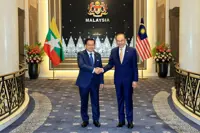
PETALING JAYA: The first phase of a voluntary repatriation programme involving Myanmar nationals will take place on Sept 29, with 1,476 individuals set to return to their country of origin, says the Home Ministry.
It said the group is part of 5,000 eligible Myanmar nationals who would be repatriated in phases under an arrangement with the Myanmar government.
“The repatriation process will utilise two Myanmar navy warships and a hospital ship,” the ministry said in a statement.
It added that 4,008 individuals, primarily of Rohingya ethnicity, would undergo the refugee registration document programme (DPP) for biometric and identity verification.
As of Aug 15, there are 10,388 Myanmar nationals being held at Immigration detention depots, the ministry said.
“This figure encompasses all detained Myanmar nationals and should not be viewed entirely as refugees.
“The Immigration Department and police are currently conducting the process to verify the identity, citizenship, immigration status, refugee claims and security background of each individual.
“The registration process for those in detention is expected to be completed in the fourth quarter of this year,” it said.
The Home Ministry said the programme will be expanded to all undocumented immigrants outside Immigration detention depots, including the United Nations High Commissioner for Refugees (UNHCR) cardholders and self-identified refugees.
“Eligible individuals who complete the process will receive a DPP Card, granting temporary stay subject to terms and oversight set by the government.”
The ministry said since over 95% of refugees in Malaysia originate from Myanmar (including Rohingya, Chin, Karen and Mon ethnicities), unilateral resolution is impossible.
“We will identify individuals willing to return voluntarily, while the Foreign Ministry coordinates phased returns with Myanmar.”
Malaysia, the ministry said, is not a state party to the 1951 Refugee Convention or its 1967 Protocol.
“Executing the DPP programme does not constitute recognition of, or accession to these international instruments. Instead, it reflects a compassionate approach grounded in humanitarian values, national sovereignty and the rule of law. The data under this will also serve in monitoring, enforcement and long-term resolution planning, including repatriation when conditions permit,” the statement said.