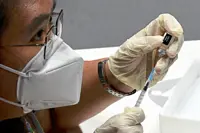
PETALING JAYA: A vaccine against hand, foot and mouth disease (HFMD), which usually affects children, would offer protection against severe effects, but it is not time yet to include it in the National Immunisation Programme, say healthcare professionals.
“The vaccine’s effectiveness is limited to the EV71 strain. It does not protect against other common HFMD viruses like Coxsackievirus A16.”
“This limitation means it does not prevent all HFMD cases, which could be a factor in deciding its cost-effectiveness as a public health programme,” said retired health director Datuk Dr Zainal Ariffin Omar.
He was asked to comment about the Health Ministry’s move to evaluate the feasibility of a vaccine for the illness.
The vaccine, which is available in China, provides protection specifically against EV-A71 (Enterovirus A71), which is one of the many enteroviruses that can cause HFMD.
So far, Malaysia has recorded 40,879 HFMD cases this year. The ministry has found that EV-A71 accounted for just 1.5% of the enteroviruses detected so far, though it has found a “shift” towards EV-A71.
Dr Zainal, when contacted, said the HFMD vaccine specifically targets the EV71 strain.
This vaccine has the potential to reduce severe infections and mortality, he said, adding that it is a critical tool for managing these recurring epidemics.
However, he said it was not yet time to include the vaccine in the National Immunisation Programme, which outlines mandatory shots for infants and children against diseases such as tuberculosis, diphtheria, tetanus, polio, measles and mumps.
Public healthcare specialist Prof Dr Sharifa Ezat Wan Puteh of Universiti Kebangsaan Malaysia said an inactivated vaccine is useful to prevent disability or death caused by the illness.
It can also help reduce the severity of HFMD caused by other viruses, such as coxsackie or echovirus, she said.
“So far, the vaccine acts against HFMD caused by EV-A71. This vaccine would be beneficial for countries with high endemicity.
“But we need to be careful if any other side effects occur due to the vaccine.”
She said HFMD is endemic and is a childhood illness.
The incubation period of the virus is said to be three to six days, and in some cases it could be longer, she added.
“Some children develop complications such as paralysis (acute flaccid paralysis or AFP), dehydration, meningitis, hepatitis, pancreatitis, encephalitis, and valve and lung inflammation. This may cause deaths, but this is very rare.”