SEREMBAN: MCA has returned to the Negri Sembilan state administration after 13 years, with Chennah assemblyman John Siow Kong Choon appointed to the state executive council.
Siow, the party’s sole representative in the exco, will oversee the local government development, housing and non-Islamic affairs portfolio.
Describing the appointment as a huge responsibility, Siow thanked MCA and Mentri Besar Datuk Ismail Lasim for the trust placed in him.
The Negri Sembilan MCA Youth chief said that although he was the only Chinese representative in the exco, he would serve all communities and ensure their interests were looked after.
He said this was in line with Barisan Nasional’s election manifesto, which was drawn up for the benefit of all Malaysians.
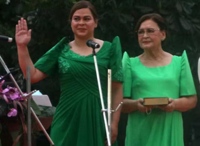
“Together with my fellow exco members under the leadership of the Mentri Besar, we will work hard to fulfil the promises made in the Barisan manifesto,” he told reporters after the swearing-in ceremony at Istana Besar Seri Menanti in Kuala Pilah yesterday.
Siow said that although he had not previously served as an elected representative, he had gained experience working with the Barisan machinery in Jelebu under state Umno chief Datuk Seri Jalaluddin Alias.
“I assisted him in matters involving the Chinese community, and that experience has helped prepare me for this responsibility.”
Siow won the Chennah seat in the Aug 1 state election with 5,726 votes, defeating DAP secretary-general Anthony Loke by a majority of 688 votes.
Meanwhile, MCA president Datuk Seri Dr Wee Ka Siong wished the new Negri Sembilan government success in leading the state.
“May the new state government lead Negri Sembilan towards greater progress and prosperity, while serving the interests and well-being of all its people,” he said in a Facebook post.
He also congratulated Siow on his appointment as a Negri Sembilan executive councillor.
MCA secretary-general Datuk Chong Sin Woon expressed confidence that Siow would play a role in the state’s key decision-making process.
“I expect him to bring the voices of the people of Chennah to the state government, accurately reflecting the needs of the grassroots, livelihood issues and the aspirations of people of all races in the decision-making process, while actively promoting policies that will benefit the people.”